
The Shadow of War Looms Again in South Sudan
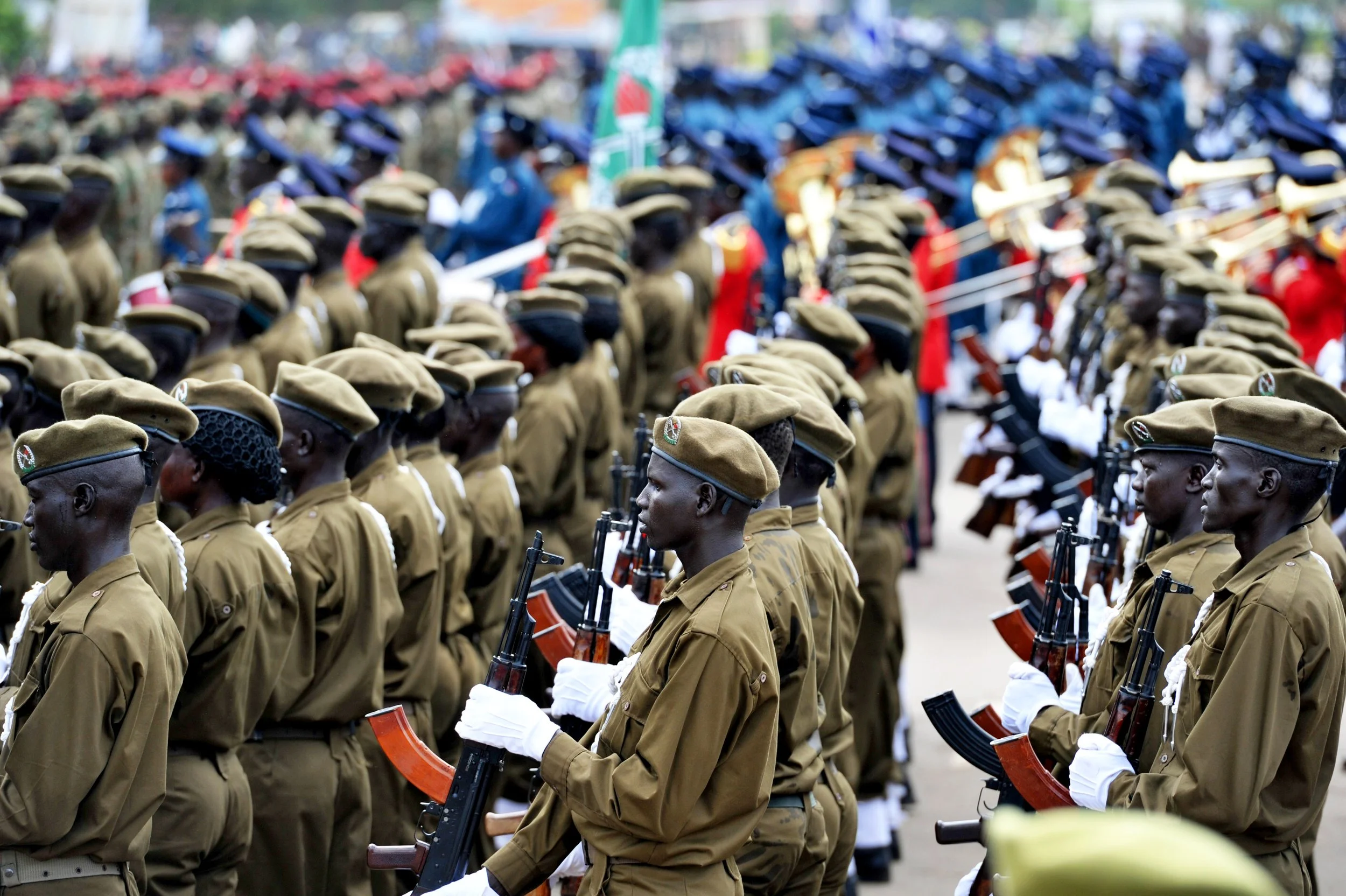
A noxious miasma of urgency and fear is spreading across the nation of South Sudan, as the fog of violence once again settles over the country. The fighting is most concentrated in Jonglei State, north of the capital of Juba, where the intensity of verbal and physical threats has reached a boiling point. At the end of January, the head of South Sudan’s armed forces warned civilians to evacuate and proclaimed any remaining civilians to be legitimate military targets in the campaign against the Sudan People’s Liberation Army in-Opposition (SPLA-IO), a military separatist group fighting to wrest control of the country from the central government.
Violent incidents have sprouted like weeds across the country: earlier in 2025, a United Nations (UN) helicopter was shot down by opposition forces in Upper Nile State, and in early February of this year, a Doctors Without Borders (MSF) hospital on the border of Ethiopia was struck by the South Sudanese Air Force, killing patients and aid workers. While the warfare between the South Sudanese government and the SPLA-IO poses a direct threat to the lives of civilians, they also experience indirect threats to their well-being because of the increasing precarity resulting from the violence. For instance, as of early February, the UN World Food Programme has announced a temporary pause on food aid operations in Upper Nile State, due to constant air strikes and attacks, which made their mission unsustainable. The damage to humanitarian organizations make it harder for South Sudanese citizens to access basic resources like food, water, and medical care in a country which has already experienced acute poverty and a cascading series of crises from its birth. The central government’s disregard of humanitarian policy in its warmaking has made life harder for the South Sudanese people and has sown the seeds of greater instability and further obstacles to peace.
The renewed hostilities come at a critical inflection point for the future of South Sudan. Ahead of the general elections this upcoming December, incumbent President Salva Kiir seeks to firmly entrench his national power against political rival Riek Machar, who serves as the current Vice President under the 2018 UN-brokered power-sharing agreement. The agreement, which ended the first civil war, is the fulcrum of the country’s fragile peace. During the civil war, which began right after independence in 2011, Kiir and Machar fought for control of the Sudan People’s Liberation Movement (SPLM), South Sudan’s new ruling party and the former opposition force during the bitter, years-long fight for freedom from their northern rulers. During the war, South Sudan was witness to acts of mass ethnic violence, in addition to brutal war crimes and conflict-related sexual violence. In 2018, a peace deal crowned by the Transitional Government of National Unity placed Kiir and Machar at the top of the country’s leadership in an attempt to abate the ethnic tension and allow for long-term statebuilding. South Sudan’s newfound peace rested on relatively weak institutions and stabilization attempts by peacekeepers from the United Nations Mission in South Sudan (UNMISS).
Since its genesis, South Sudan has been troubled by the ethnic tensions which lie beneath its icy political status quo. President Kiir represents the Dinka ethnic group, while Machar, who leads the SPLA-IO, represents the Nuer ethnic group. These are South Sudan’s two largest ethnic groups, and Kiir and Machar are competing for the dominance of their respective ethnic groups in addition to vying for overt political power. A number of factors further contribute to South Sudan’s afflictions, including the recent mass influx of refugees from Sudan amid its own civil war, and the widespread poverty experienced by most of the population, exacerbated by the elimination of vital humanitarian aid by the United States. These factors have laid the groundwork for a toxic reaction in South Sudan. The upcoming elections are the most recent catalyst, with President Kiir placing Vice President Machar and his wife under house arrest in January of 2026, a pretense for the most recent offensive.
South Sudan’s future is incredibly precarious. With the conflict escalating, humanitarian abuses rising, and regional instability in East Africa growing, outside powers like UNMISS and more stable regional organizations like the East African Intergovernmental Authority on Development (IGAD) could step in to stabilize the situation. Should current conditions continue, the continued survival of the South Sudanese state will be under grave threat, as the dark fog of war looms ever closer.