
Briefings




Deep-Dives


Staff Writer Mia Westfere investigates the criticisms leveled at the phenomenon known as the “Asian Peace,” bringing to light how Western apprehension of challenges to U.S. hegemony might play a role in fostering an overly cynical outlook.

Staff Writer Mia Westfere outlines the multifaceted dimensions of China’s urban-rural divide, untangling its historical roots and the web of contemporary challenges it poses to political-economic stability.
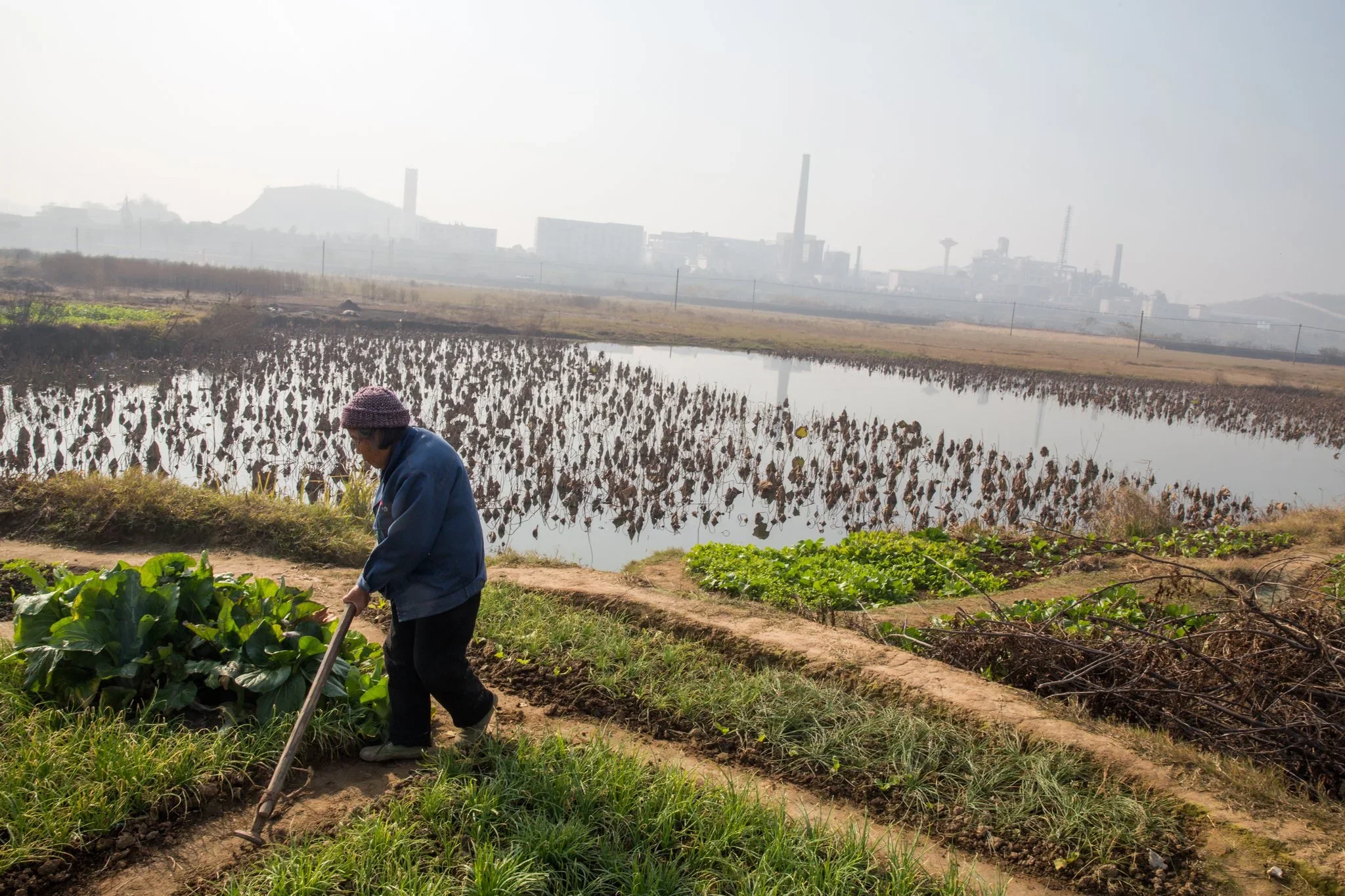
Staff Writer Sofiya Cole examines the implications of growing soil contamination on China for the food chain and public health.
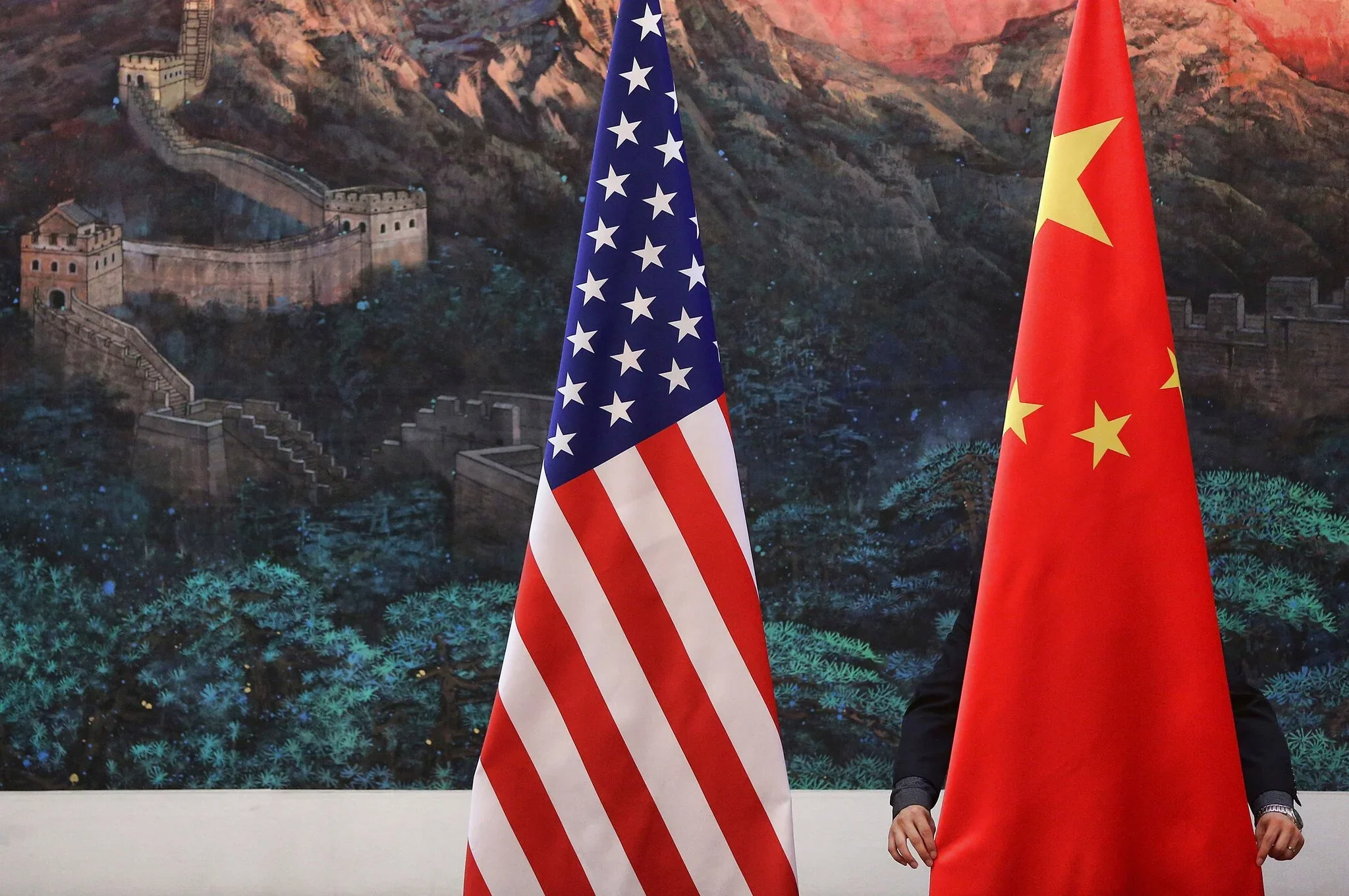
Contributing Editor Helen Lallos-Harrell examines United States-China relations through both historical and modern contexts, drawing parallels to rebuild future relations.
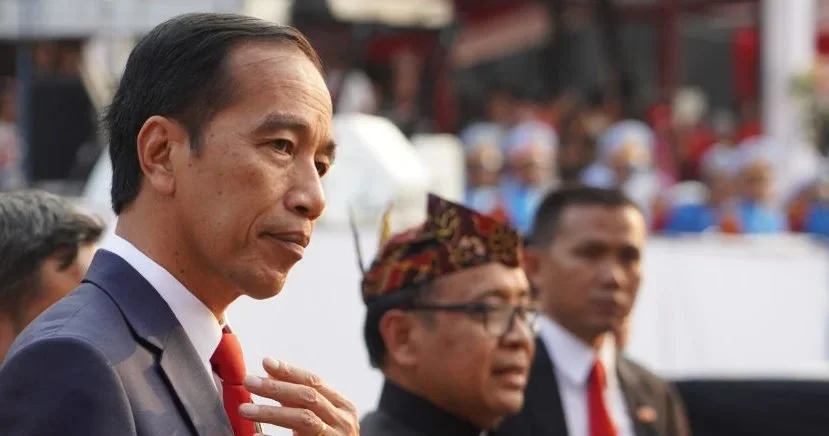
Staff writer, Sal Cerell, examines the implications of Indonesia’s fragile democratic status.
Staff Writer Chloe Baldauf explores how COVID-19 has interacted with and exacerbated pre-existing educational disparities between rural and urban students in Mongolia.
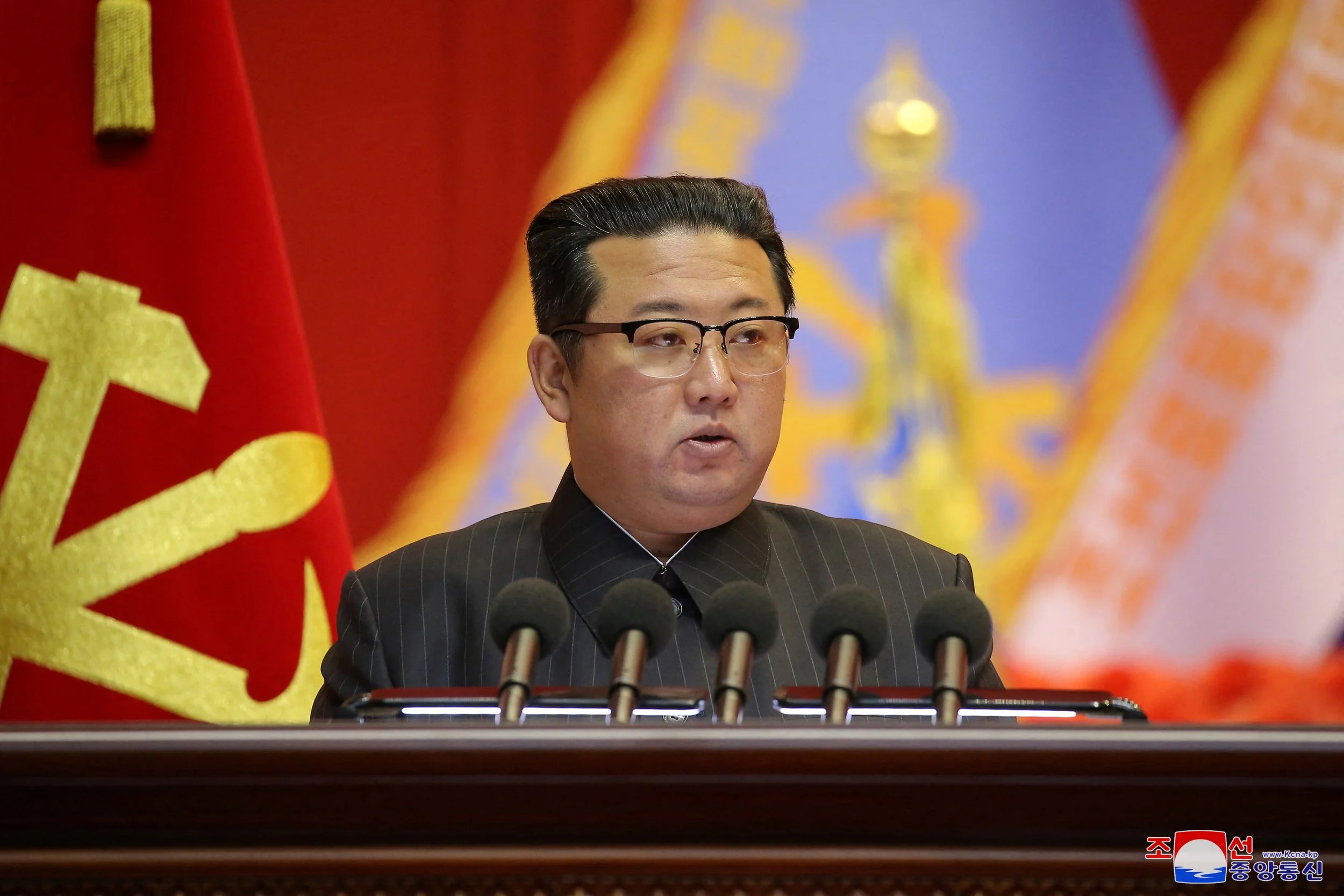
Staff Writer Louis Schreiber provides recommendations about how to respond to cyber threats and illicit financing campaigns by the DPRK.
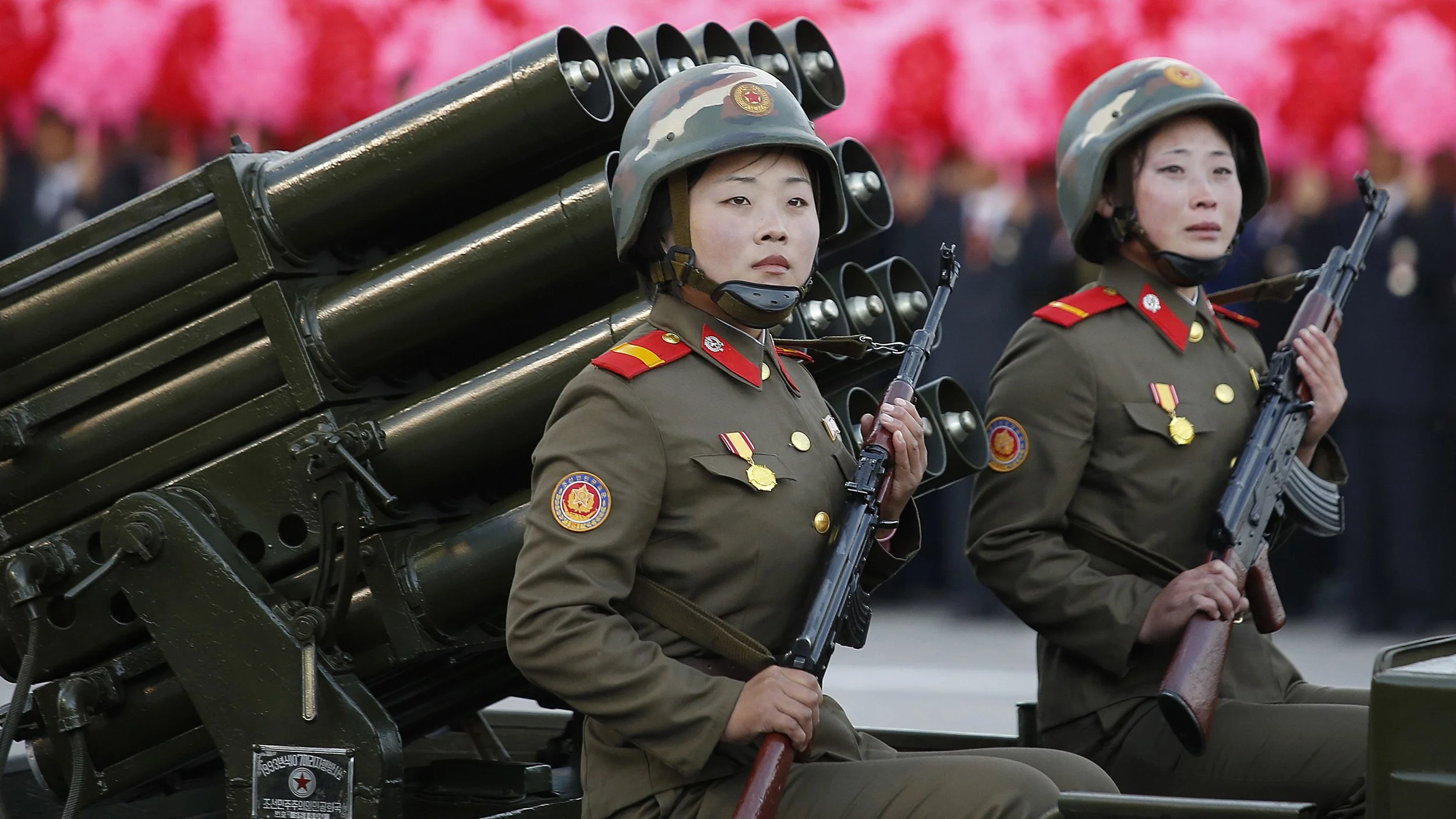
Guest Writer Julianna Kubik discusses the status of women in North Korea’s military.
Staff Writer Anastasia Papadimitriou analyzes American response options in the South China Sea.
Contributing Editor Elizabeth Anderson explains how media is used to control the North Korean population.
Staff Writer Madeline Titus provides a brief overview of the political climate and parties for the upcoming Thai elections.
Guest Writer Anastasia Papadimitiou argues for a reconceptualization of Mumbai’s slums.
Guest Writer Elizabeth Anderson weighs improved foreign relations with North Korea against continued human rights violations.
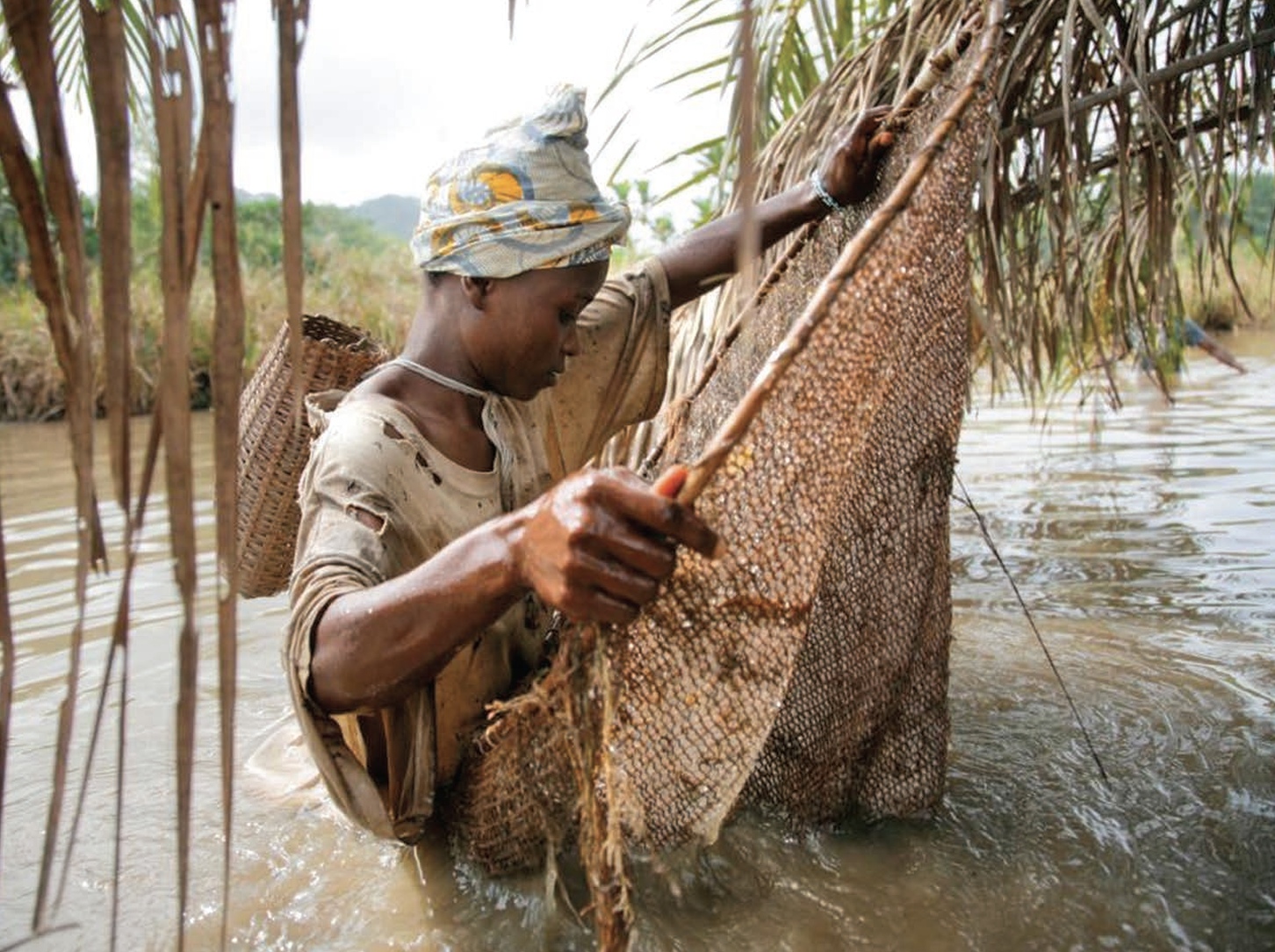
Executive Editor Andrew Fallone illuminates the new challenges that women face establishing reliable livelihoods in post-conflict settings.
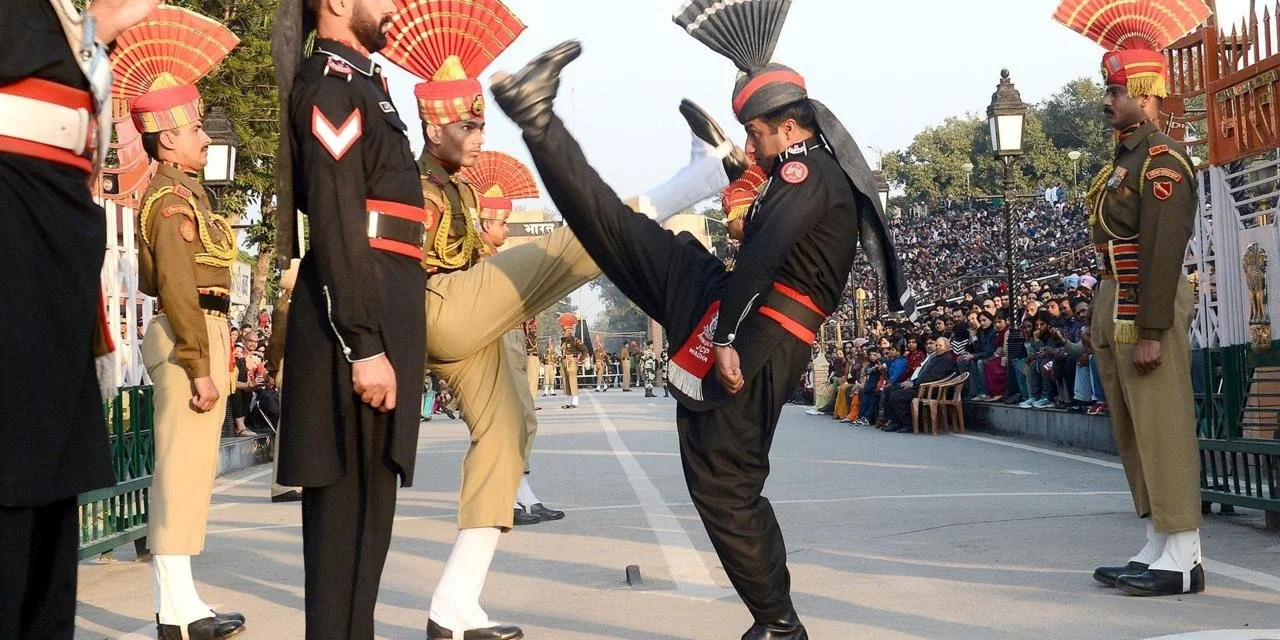
Staff Writer Madeline Titus explicates the relationship between the selective teaching of history in Indian and Chinese education systems and nationalism.
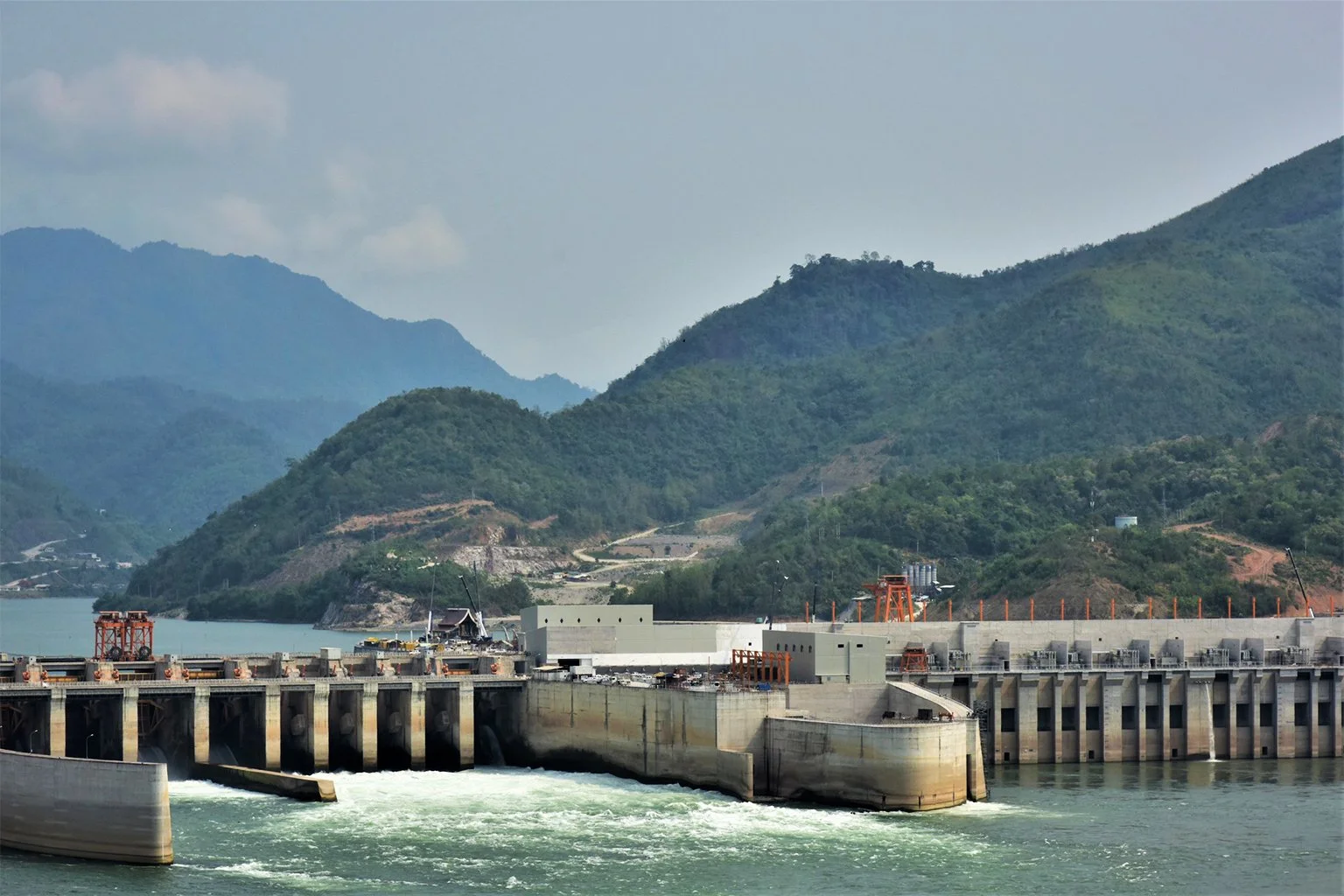
Executive Editor Andrew Fallone discuss the burden that the Laotian government’s goal of becoming the ‘battery of Southeast Asia’ places on rural populations.

Staff Writer Madeline Titus calls for action against the pollution of the River Ganges.
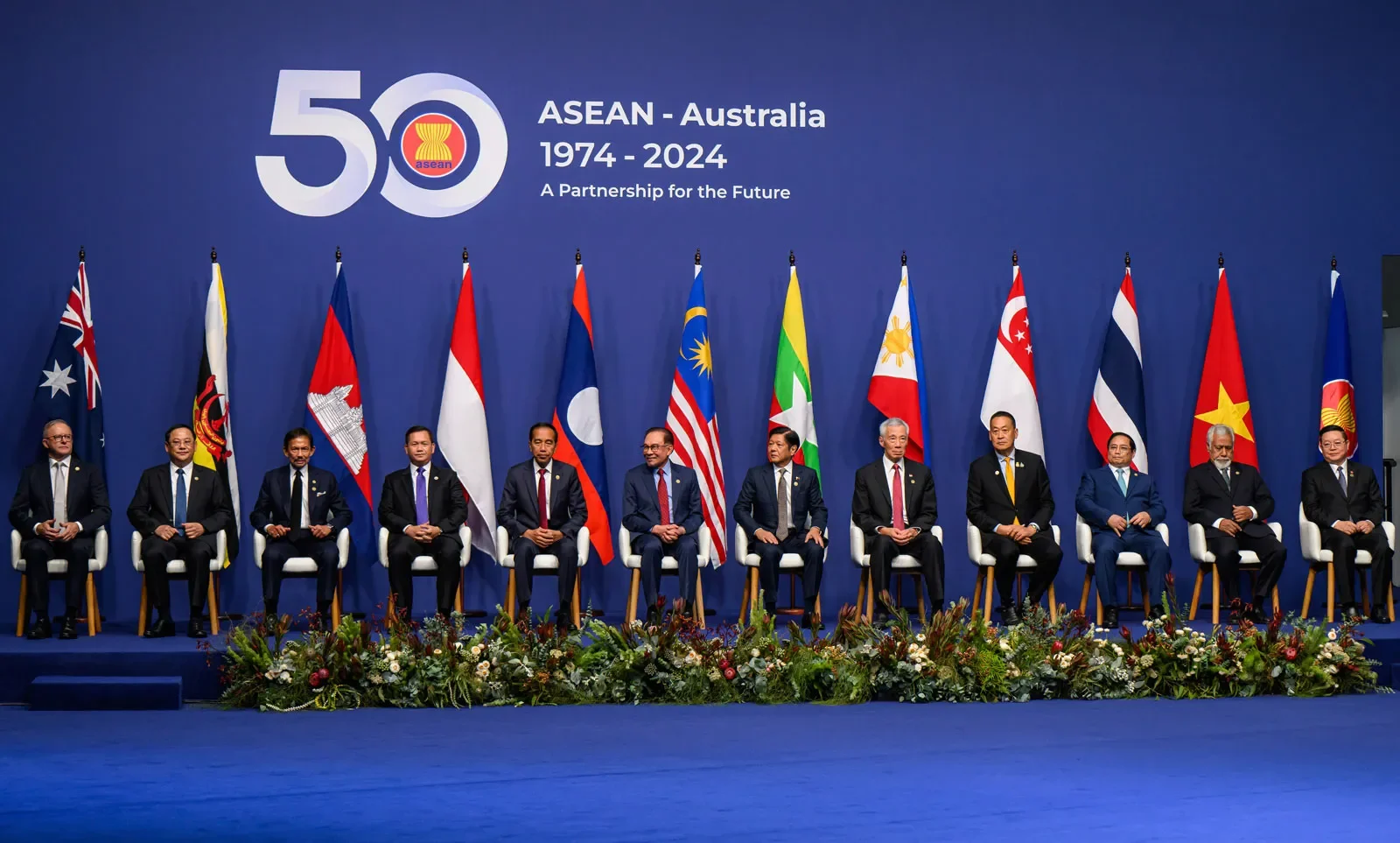
Executive Editor Andrew Fallone addresses the contrast between ASEAN’s consensus-based structure and its regional growth priorities, calling for binding language in a regulatory regional structure to ensure migrant rights protection.

Staff Writer Izzabelle Secular discusses the hardships faced by Asian migrant caregivers, which many regional health systems rely on.
Staff Writer Jonathan Scolare examines the status of Kyrgyzstan’s inclusion in regional and international institutions.

Marketing Director Andrew Fallone explains the fallacy of uniformly advocating for the increased role of private industry in governments in Asia.
Staff Writer Izabelle Secular takes account of Philippine President Duterte’s impact.
Staff Writer Jonathan Scolare explains the nuances of Kyrgyzstan’s upcoming elections.
Guest Writer Fiona Corcoran analyzes the likelihood of rising Central Asian terrorism.
Marketing Director Andrew Fallone discusses the development of Mongolian nationalism through different cultural theaters, such as music and urbanization.
Contributing Editor Benjamin Shaver explores the ramifications of the North Korean-South Korean conflict and postulates U.S. strategy on the peninsula.
Guest Writer Oksana Ryjouk analyzes the intersection between international legal precedents and maritime security in the South China Sea.
Contributing Editor Andrew Fallone explains the link between rapidly growing cities and faltering water infrastructure in Asia.