
Bangladesh’s February Election: The Final Step for the Interim Government
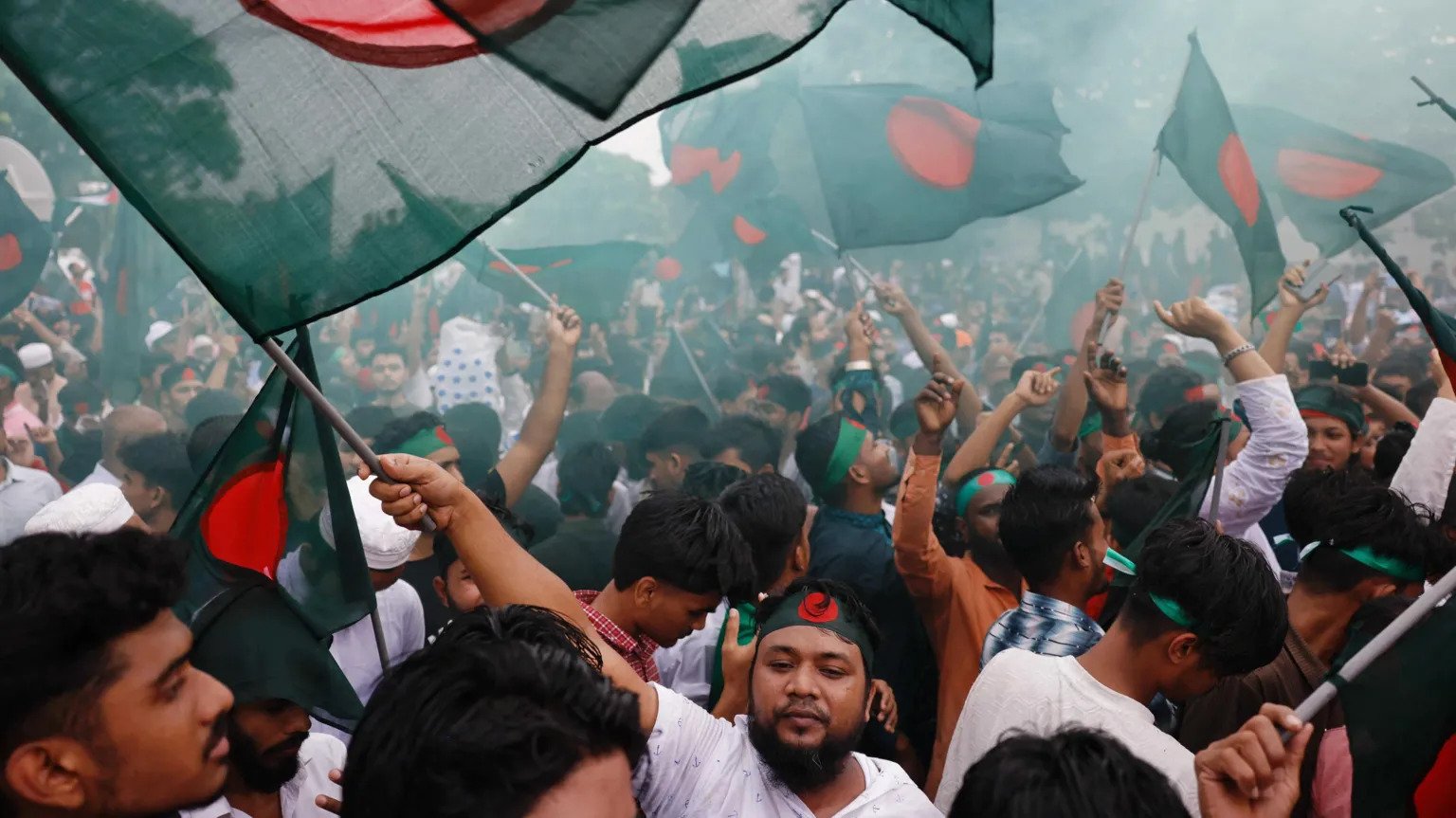
On February 12, 2026, Bangladesh will head to the polls to elect members to serve in the nation’s parliament. It has been just under a year and a half since student-led protests ousted former Prime Minister Sheikh Hasina, and the upcoming elections mark the final step in the interim government's exit from politics and the transfer of power to a democratically elected administration.
These elections are the culmination of a political crisis that erupted in July 2024, when student demonstrations swept the nation in response to a Supreme Court ruling on job quotas. This ruling reinstated the previously abolished quota stipulating 30 percent of government jobs must be reserved for relatives of veterans from the 1971 Liberation War. The protests quickly erupted into violence, and Prime Minister Sheikh Hasina fled the country as crowds stormed her presidential residence and demanded her removal. In addition to anger against the ruling on job quotas, individuals were frustrated with high inflation, high post-pandemic unemployment rates, and growing mistrust of Hasina’s political party, the Awami League. Her administration, long accused of systemic corruption, faced allegations of bribery, nepotism, and money laundering, allowing Hasina to steal billions from the government. According to reports from the interim government, as much as $16 billion annually may have been siphoned under Hasina’s 15-year rule.
After the fall of the Hasina regime, the vacuum of power was filled by an interim government led by Nobel laureate Muhammad Yunus, a national hero for his work on microcredit. At 84, Yunus had faced years of vilification under the Hasina regime and given up his own political ambitions. Yet, following the uprising, he celebrated Hasina’s removal as a “second independence” and agreed to lead the temporary government and the efforts to restore democracy. While Yunus publicly celebrated the regime’s removal, the reality of the situation was far more precarious as they were met with a system deeply corroded by years of corruption and political violence, an economy losing steam, rising unemployment, and angered political activists swearing to avenge Hasina’s regime. As the country heads into elections and the interim government transfers power to the first administration elected by popular rule since 2008, time will reveal whether they made enough progress under their leadership.
Liberation War of 1971
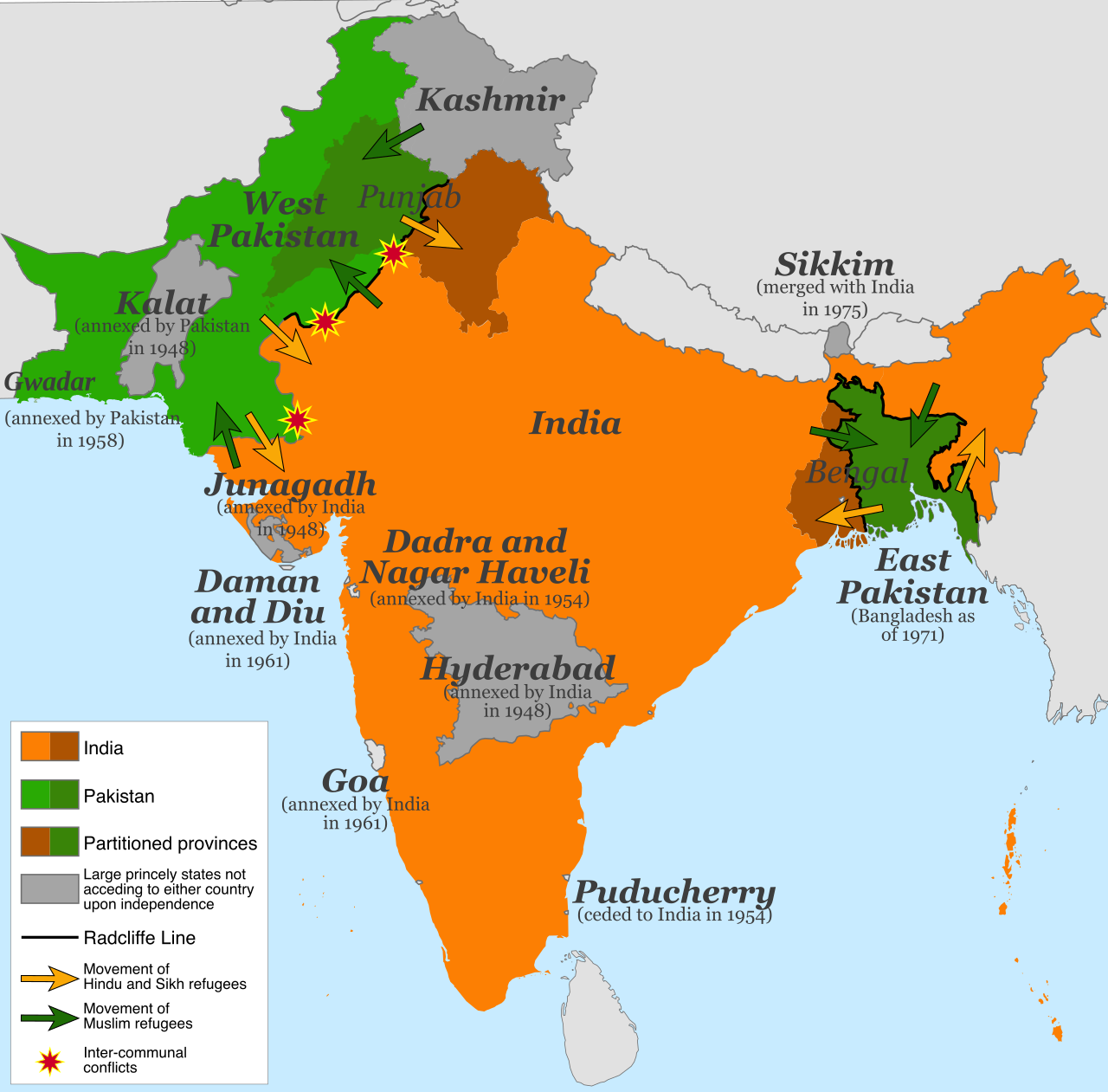
To understand the significance of the upcoming elections, the parties bidding for power, and the issues at stake, it is important to look at the nation’s history. Bangladesh’s political landscape today still wears the scars of British colonialism and the 1971 Liberation War. In 1947, India gained independence from British colonialisation, and the Indian subcontinent was partitioned, leaving Bengal split between Pakistan and India. West Bengal was to be ruled by India, and East Bengal formed the eastern wing of Pakistan. Under West Pakistan’s rule, there were mounting political and economic disparities that led to resistance and rising Bangladesh nationalism. In 1971, Pakistan launched Operation Search Light to quell nationalism, but instead it sparked a brutal conflict, ending with Bangladesh securing their independence. Millions of people were killed, and many more were displaced, a tragedy that haunts the memory of the nation today.
The political landscape that defined the nation for the decades that followed was perniciously polarized between the Awami League (AL) and the Bangladesh Nationalist Party (BNP)- both of which used the 1971 war as a means of legitimization. The father of Sheikh Hasina, the leader of the AL, was Sheikh Mujibur Rahman, the leader of the independence movement and known as the “Father of the Nation.” Khaleda Zia, the leader of the BNP, is the wife of Ziaur Rahman, the senior member of the armed forces who broadcast the start of the war and became the first president of the BNP in 1977.
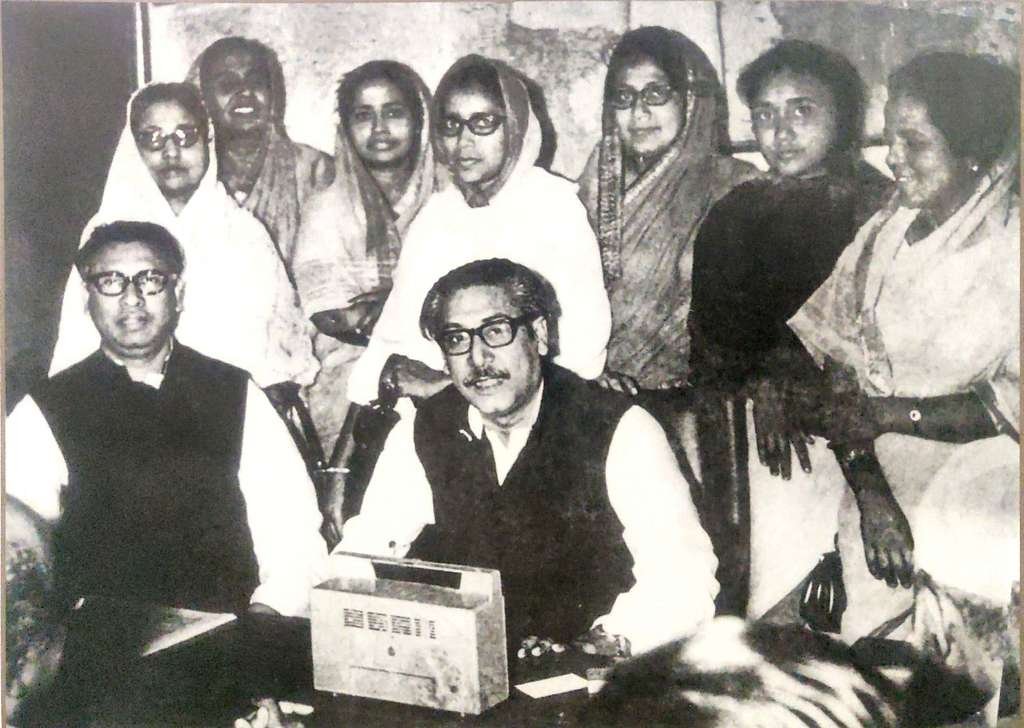
Picryl.com
Sheikh Mujibur Rahman awaiting the result of the 1970 election.
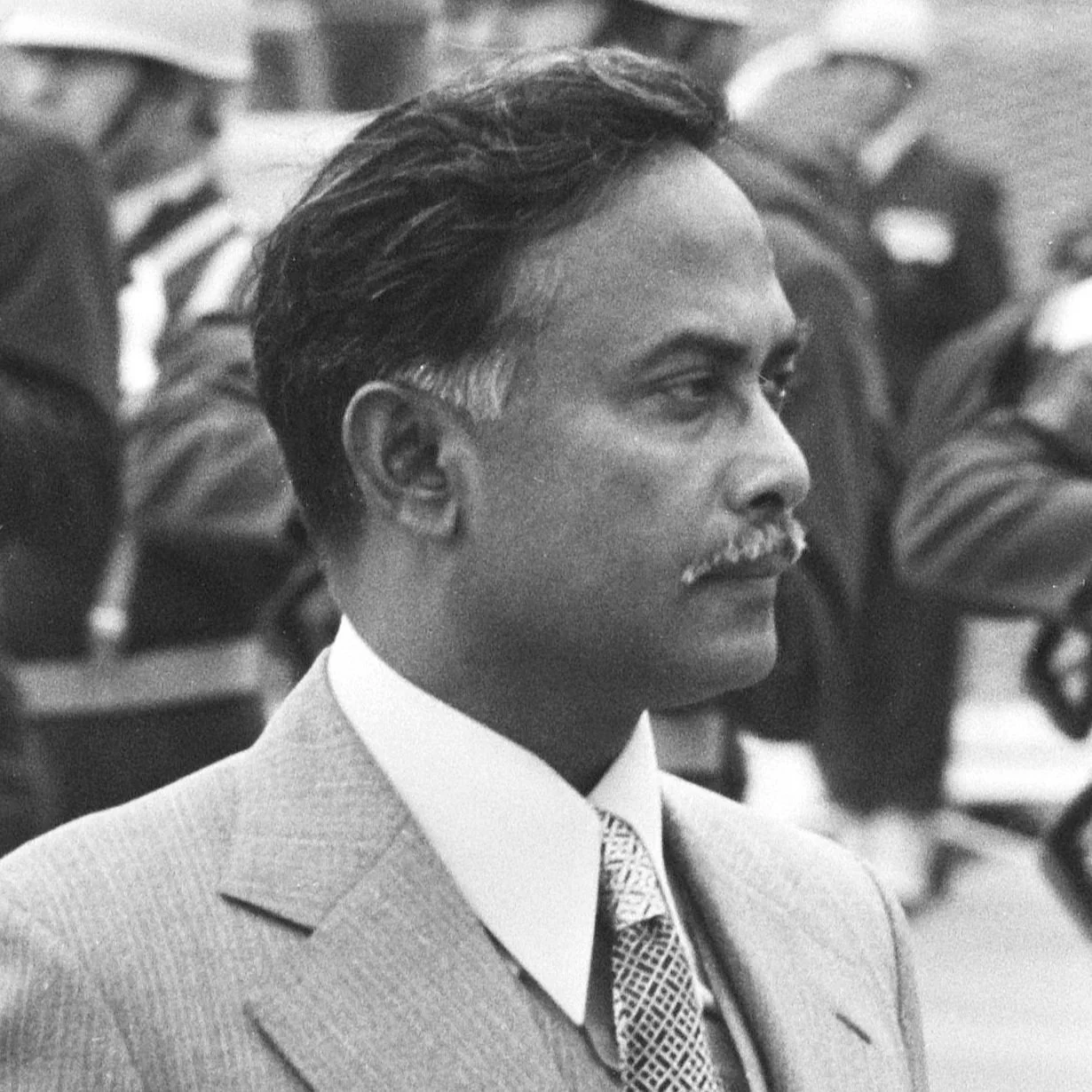
Wikipedia.org
Ziaur Rahman in 1979 serving as the 6th President of Bangladesh (1977-1981).
Pernicious Polarization
The AL and the BNP have dominated the political system since the nation’s independence. Despite technically being a multiparty system, no third party has been able to escape the shadow of the entrenched division between the two parties. With the AL representing the center-left and secular position, and the BNP representing the center-right, nationalist position, the ideological spectrum has left little room for the emergence of new parties. This creates party system institutionalization, wherein years of stable party competition and a lack of electoral volatility cement political parties into predictable patterns of intra-party competition around a divisive social cleavage.
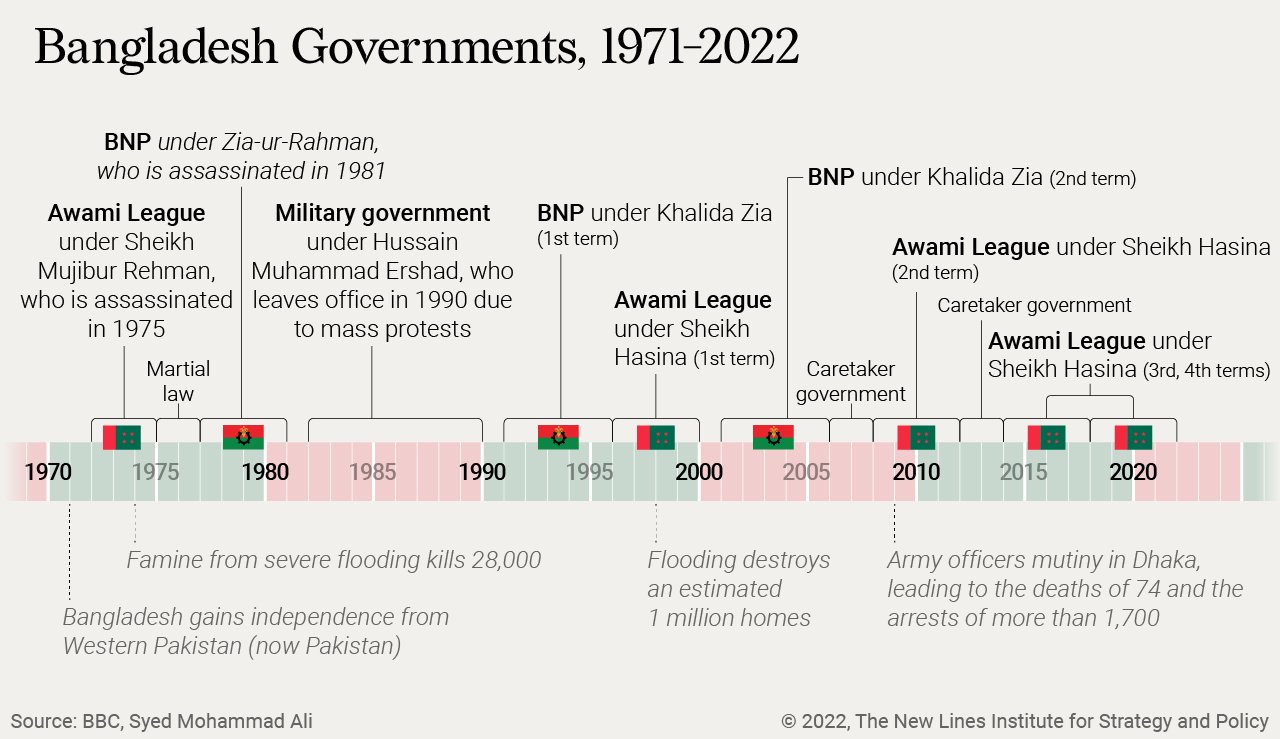
Institutional incentives within the Bangladesh Parliament, Jatiya Sangsad, have further entrenched polarization. As a winner-takes-all electoral system, the political party in power is able to concentrate executive power during the duration of its term. As the party in power, both the AL and BNP, despite coming to power through a democratic process, act in an authoritarian manner. With little to no constitutional checks and balances, the winning party has unfettered access to state resources and institutions and can even amend the constitution with a supermajority vote.
When Yunus assumed power, his outlined agenda proposed sweeping institutional change, the prosecution of those who committed violence during the protests, and the reinstatement of credible elections. While the interim government has garnered criticisms, they have stabilised the economy and achieved the cross-party consensus necessary to pass the July Charter in December 2025 (named after the 2024 uprisings). This charter is the culmination of the constitutional reform recommendations made by Yunus’ government and the thirty political parties consulted. Additionally, Yunus reinstated the International Crimes Tribunal (ICT) and formed the Commission of Inquiry on Enforced Disappearances, revealing the systemic nature of the crimes committed under Hasina’s rule.
Principal Actors and Issues in 2026
In the 2026 February election, the two main political parties campaigning for seats in parliament are the Bangladesh Nationalist Party (BNP) and Jamaat-e-Islami. As the Awami League has been banned from participating under the Anti-Terrorism Act passed in May 2025, the electoral landscape has shifted significantly. Its supporters, who made up almost 50 percent of the popular vote from the December 2008 election, will have to decide to vote for another party, if they decide to vote at all.
The BNP, last in power from 2001-2006, has historically been the AL’s principal rival. However, it has also harbored a sense of disillusionment from citizens who view the party as no different from the Awami League. As the International Crisis Group reports, Bangladeshis see the parties as “two sides of the same coin,” focused on money and power, not the improvement of the state. That said, in December 2025, two events managed to garner support for the party. On December 25, Tarique Rahman, the party’s leader, returned to Bangladesh, where he was greeted by hundreds of thousands of protestors. Five days later, his mother, who served as the first female prime minister, Khaleda Zia, passed away from prolonged illness. Whether or not this translates into support will be left unknown until the election.
The other main political party is Jaamat-e-Islami, the largest Islamist party in Bangladesh. Unlike the BNP and AL, Jaamat collaborated with Pakistan and opposed the liberation movement during the 1971 Liberation War. While it has never secured a majority in parliament, the party has played an important role in past elections by forming alliances with both the AL and the BNP at different periods of time. However, when the AL last held power, Jamaat was marginalized and its political strength weakened significantly. In 2008, the AL conducted a War Crimes Tribunal for the crimes committed during the Liberation War, ultimately convicting and executing many of the party's top leaders, making their current rise all the more surprising.
With the AL banned from participating in the upcoming election, it opens up space for Jamaat to become the main opposition to the BNP. In recent years, the party has made an effort to rebrand itself as a more progressive and tolerant Islamic party, a strategy aided by the fact that younger generations are less concerned about the party’s controversial role in the Liberation War. Under the leadership of Shafiqur Rahman, the party has also created one of the strongest social media platforms. Although some fear their resurgence could threaten women’s rights and freedoms, they have rejected these fears. At the same time, they have formed political alliances with the National Citizen Party (NCP) and the Liberal Democratic Party (LDP), and are fielding the Hindu candidate Krishna Nandi to expand their electoral reach.
Ultimately, the next stage in Bangladesh’s political history must be decided at the ballot box. The passing of the July Charter was only the first step in the path to democratic reform, and it is up to the next government to follow through with making the necessary constitutional changes and facilitating political reconciliation. However, this doesn’t come without both domestic and international challenges- namely, their relationship with India, the Rohingya refugees, great-power rivalries, and the economic frustration of the youth population-making the February election all the more important.