
Sierra Leone: Former President Koroma leaves country amid treason charges
Written by Chloe Baldauf; Edited by Luke Wagner
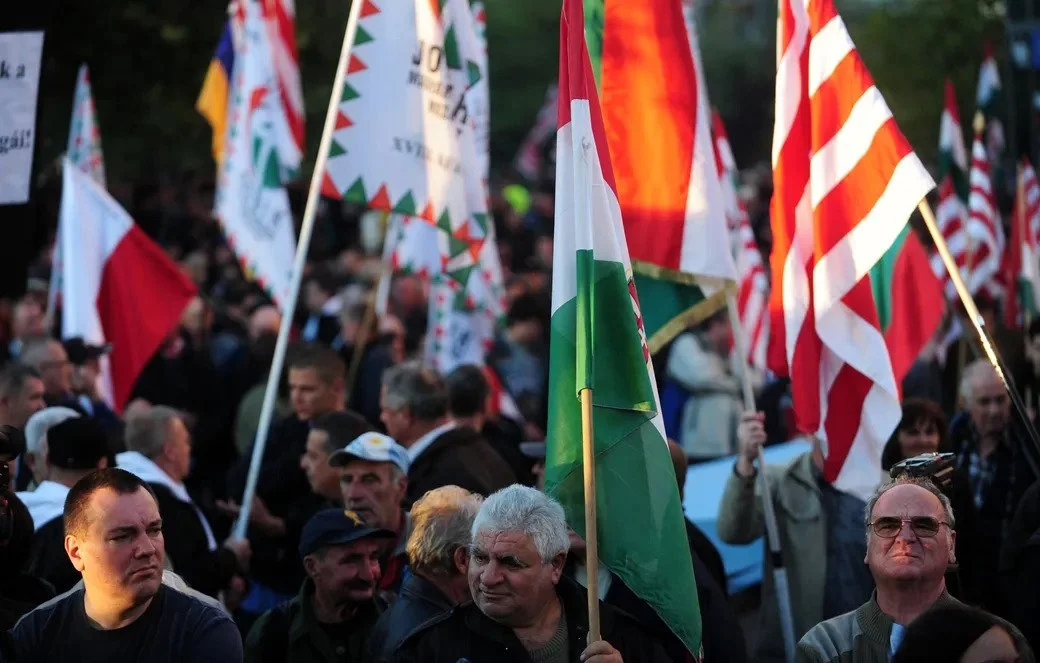
On Wednesday, the High Court of Sierra Leone approved ex-president Ernest Bai Koroma’s request for international travel to Nigeria due to un-specified medical reasons. The seventy-year-old president, who has been charged with four criminal offenses after allegedly conspiring to takedown the government during a failed coup attempt in November, has now been permitted to break his ongoing house-arrest to seek treatment.
This development in Koroma’s trial comes less than two months after the failed coup attempt that took place on November 26, 2023. With tensions rising across the country—particularly in Freetown—since current president Julius Maada Bio’s reelection in June 2023, the incident was defined as an attempt to “overthrow a democratically elected government” by Information Minister Chernor Bah.
President Bio announced that, although most of the individuals involved with the attempted coup had been arrested, the government aimed to prosecute all remaining coup-leaders. Earlier this month, Koroma was officially charged with treason for his alleged involvement in the November coup.
The Economic Community of West African States (ECOWAS), a regional bloc that seeks to “promote economic integration,” has encouraged President Bio to approve Koroma’s departure to Nigeria.
According to a Tuesday statement by the Economic Community of West African States (ECOWAS), a regional bloc that seeks to “promote economic integration,” the Nigerian government offered to temporarily host Koroma amid the pending trial. ECOWAS has encouraged President Bio to approve Koroma’s departure to Nigeria.
Now, amid Koroma’s unspecified medical issues, the High Court has approved Koroma’s departure from the country. The swift change to Koroma’s travel abilities means the ex-president can stay in Nigeria for up to three months before coming back to Sierra Leone for the pending case in early March.
On Thursday, President Bio addressed concerns that the charging of Koroma would fracture Sierra Leone’s political landscape by clarifying that Koroma’s trial is not intended to be a “political witch hunt” but rather “one aimed at unraveling the truth behind the events of November 26th, 2023.” If charged to the fullest extent of Sierra Leone’s criminal law, Koroma could face life in prison.
Today, Koroma departed from Freetown, Sierra Leone on a Nigerian plane.

United Kingdom: Why are the Conservatives pinning their electoral chances on the controversial ‘Rwanda Plan?’
Written by Luke Wagner; Edited by Chloe Baldauf
UK Prime Minister Rishi Sunak has pinned much of his conservative party’s electoral success on the passage of the controversial ‘Rwanda Safety Bill.’ After narrowly avoiding a far-right conservative rebellion in the House of Commons, the bill is next headed for a vote in the House of Lords where its fate is anything but certain.
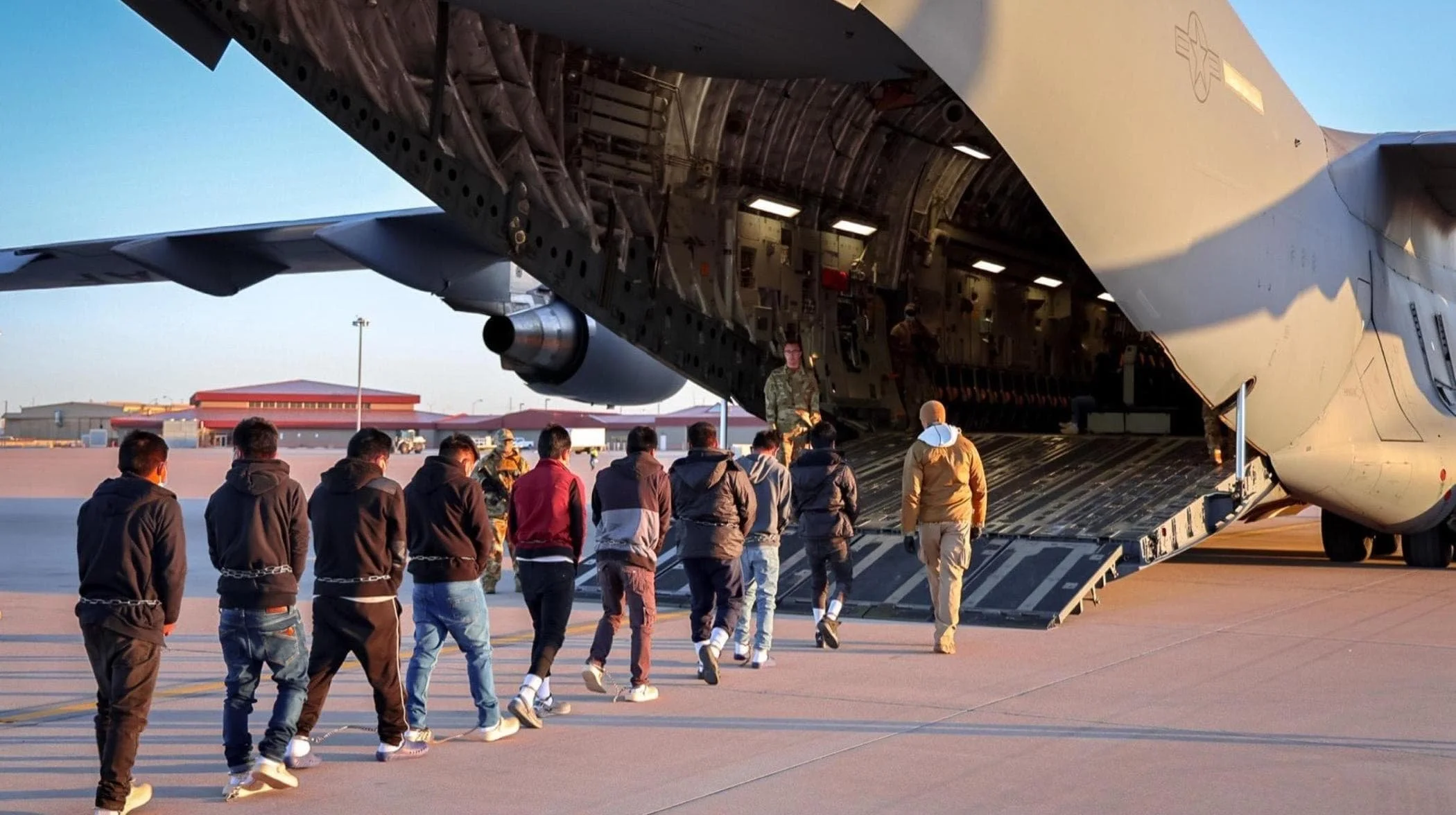
Sunak’s government has championed the Rwanda Plan as the solution to tamping down the country’s high immigration. In 2022, the UK and Rwanda struck a deal to respond to a dramatic increase in refugees arriving in Britain from across the English Channel via small boats arranged by human trafficking gangs.
The East African nation agreed to accept Britain’s illegal migrants and provide them “safe” asylum in exchange for £240 million with £50 million more to come. However, many in the UK were not convinced. In November 2023, the Supreme Court ruled that this agreement was unlawful because there was not sufficient protection against Rwanda’s government deporting migrants back to their countries of origin – which would breach international humanitarian law.
Despite this legal setback, Rishi Sunak’s government vowed to move forward with the proposal while bringing it in accordance with UK and international law. These changes are what had many far-right MPs prepared to revolt against the policy they deemed not forceful enough. However, for the sake of party unity, those far-right members in the House of Commons backed down from their threats and voted for the bill.
The bill now sits with the unelected House of Lords. Their traditional role is to amend legislation passed by the elected House of Commons, however, since the Conservatives do not constitute a clear majority in the House of Lords, opposition members have suggested that they have the responsibility to block this legislation. Lord Alex Carlile, a leading British barrister and independent member of the House of Lords, signaled his intention to oppose the bill that he called a “step towards totalitarianism.”
Although it could feasibly be blocked, the tailwinds may be in favor of stricter immigration policy. Earlier this month, polling revealed 64% of Brits believed that immigration rates are “too high” – the highest rate since YouGov began surveying this question in 2019.
If Sunak is unable to offer up a viable solution to high immigration, his prime ministership may be at risk. Another YouGov poll released this week has been causing anxiety amongst Tories who were predicted to lose their majority in the upcoming election to the Labour Party with the heaviest loss in parliamentary seats since 1997. However, if the Labour Party is held responsible for the rejection of the bill in the House of Lords, their electoral chances could suffer alongside Sunak’s.
All the while, Rwanda’s President Paul Kagame said to reporters Thursday that his government is prepared to receive the migrants whenever or if they come.
Recent Articles