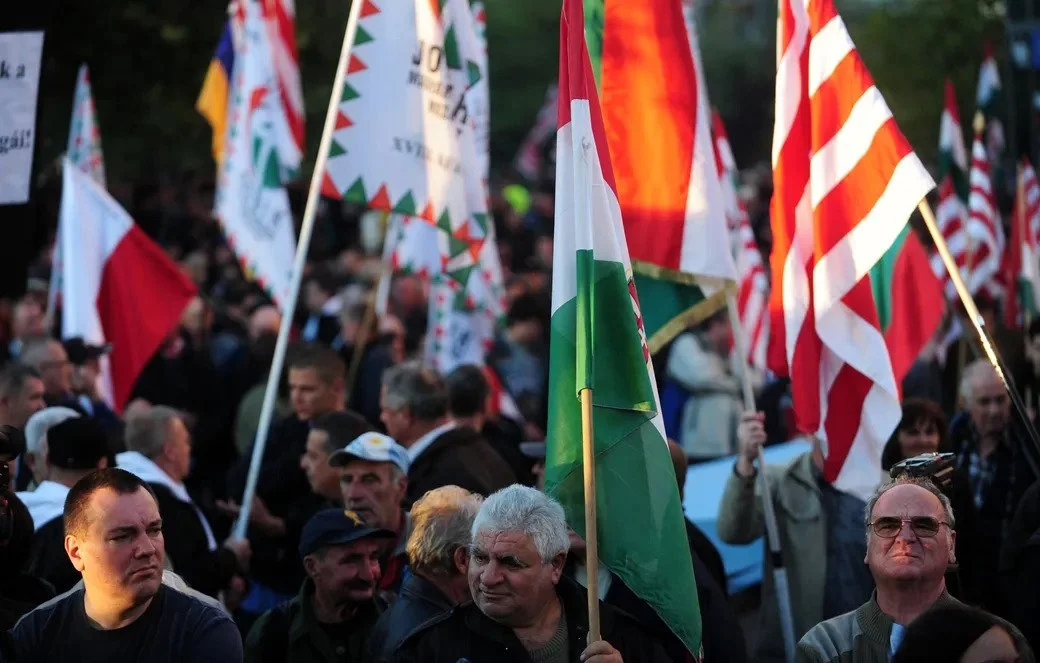

Difference in Arrangements: Far-Right Developments Within Europe
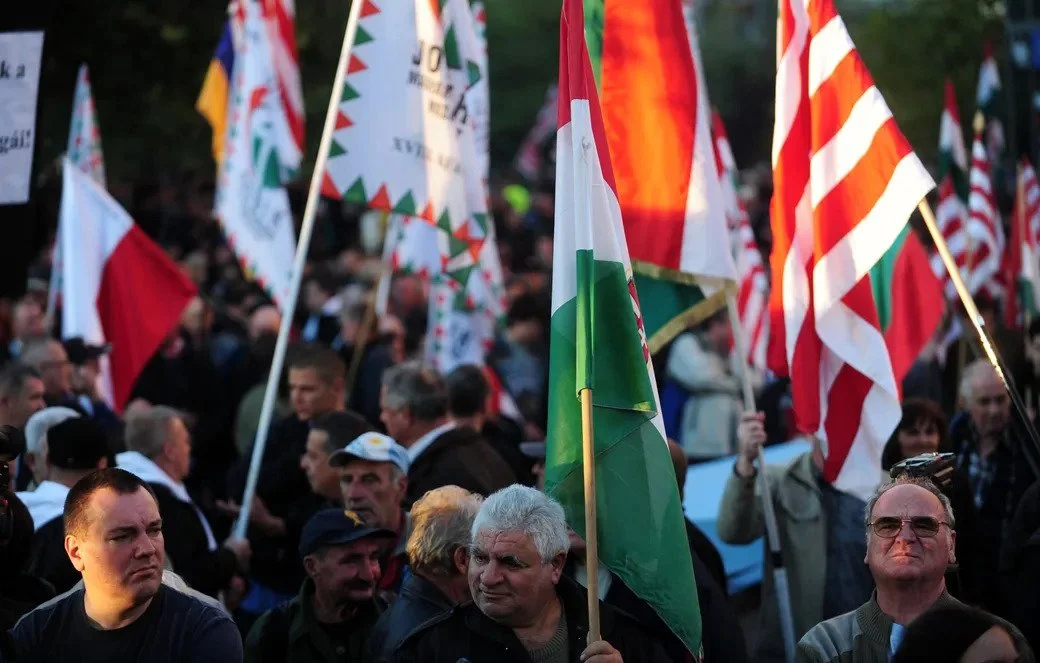
If one looks at the state of European politics today, they will be met with a barrage of news headlines detailing the rise of far-right parties. The culmination of far-right entrenchment in Europe has a long-standing history that not even the greatest academic could disseminate succinctly. This article will not attempt to take on such an endeavor, and certainly will not cover country-specific mechanisms of ideological progression. However, it will follow the unique, large-scale configuration of far-right politics in the Eastern European bloc, a pattern that heavily contrasts with developments in Western Europe, as some scholars of this topic like to overlook.
The two guiding questions that informed this research are as follows: What are the origins and extent of entrenchment of far-right parties in Eastern Europe? And, how do Eastern and Western European far-right politics differ in causes, organizational forms, and targets?
Before any historical analysis can be conducted, it will be necessary to define what far-right politics encompasses in the current day. The far-right contains a wide breadth of ideologies that normally fall under nativism, authoritarianism, and exclusionary nationalism. Old right-wing parties contain fascist undertones, while recently born parties don’t typically have formal fascist ties but instead contain anti-system attitudes. Common within such parties are appeals to law-and-order, traditional social values, and xenophobia towards immigrants. Additionally, they often rely on the construction of an in-group mentality based on a shared characteristic like ethnicity, nationality, and/or religion.
Recent Far Right Party Developments in Eastern Europe
Referring to happenings in the last decade, major conservative parties in Hungary and Poland have adopted far-right agendas. These radicalization processes are nothing new in Eastern European history, especially since the democratization of the region 40 years ago. And following the democratic transitions that took place at the tail end of the ‘80s, radical-right parties have been swiftly incorporated into governing coalitions across several Eastern European countries: Romania (1992-1996), Slovakia (1992-1998, 2006-2010, and 2016 onward), Poland (2006-2007), and Latvia (since 2011).
There has been a trend that has been emerging in Eastern Europe where far-right parties court mainstream ones, causing a radicalization of the mainstream to occur rather than taming of the radical-right. Subsequently, voters following far-right parties are then funneled into mainstream parties. Tangible policy shifts sweep regions even as nationalist extremists with marginal electoral success fade into insignificance. And as a country’s politics makes this shift, this realignment has the tendency of remaining firmly in place.
Mainstream right-leaning political actors currently active in Eastern Europe have exhibited this extreme radicalization process. Both Hungary’s Fidesz and Poland’s Law and Justice (PiS) parties, which first succeeded as conventional conservative groups, are now conditioned in nationalistic rhetoric, the demonization of minorities, and the attack on democratic norms. A nationalist sentiment is present in most, if not all, political parties in Eastern Europe. Originally a liberal youth party in 1988, Fidesz under Viktor Orbán pivoted to nationalist rhetoric in the post-1988 election defeats, capturing 53% of the vote in 2018 via typical far-right propaganda. This mirrors Poland’s PiS, which blended Church alliances with judicial reforms, clashing European Union (EU) norms from 2005 onwards.
A Distinctly Eastern European Politic
While many Western European mainstream parties adopt stringent measures on immigration and domestic terrorism, their Eastern European counterparts are much more comfortable with their radical right cousins. The reasoning for this is quite simple. Generally, Western trajectories of nation-building were propelled by liberal or bourgeois revolutions, producing stable democracies. Whereas in the East, nation-building processes largely emerged from the dissolution of empires that shaped the region for centuries (i.e. Habsburg, Russian, and Ottoman Empires). Thus, national identities were formed without a stable infrastructure of the nation-state. It is within these under-institutionalized systems that political structures manifest into hotbeds where new and radical parties can succeed. Eastern European candidates from both radical-right and radicalized mainstream-right parties claim succession from prior nationalist movements. Such movements often tie to state independence and territorial unity - both classic right-wing talking points.
It is the distinct distaste for democratic principles in which Eastern European far-right trends remain more wayward than Western ones. Opposition to liberal democracy stems from the rejection of its core tenets of protection for ethnic, social, and sexual minorities, coupled with a disdain for diversity. Massive protests directed towards minorities in many Eastern European countries, especially regarding local Romani populations, with religious actors fueling the flames, is quite common, especially in countries like Poland and Romania.
Two variants of radical right mobilization against minorities can be identified within Eastern European politics. The first one transpires in ethnically homogenous countries like Albania, the Czech Republic, Hungary, Lithuania, Poland, and Slovenia, where groups mobilize based on shared affinity towards socially conservative values. Such values can include animosity towards sexual minorities or targeting ethnic minorities with limited political organization capacity. In ethnically pluralistic societies, parties target large, politicized ethnic groups for votes. Modern-day examples in the latter category include Bulgaria, Croatia, Estonia, Latvia, Macedonia, Romania, Serbia, Slovakia, and Ukraine.
Western and Central European countries are relatively more ethnically diverse. Yet, when faced with the brunt of the 2015 migration crisis, far-right tendencies have tainted these countries’ politics. The 2015 debacle saw an influx of around 1.3 million migrants, namely from Afghanistan, Iraq, and Syria, in that year alone. This is partly the reason for the creation of Alternative für Deutschland (AfD) in Germany and the Rassemblement National (RN) in France - 2 still electorally-competitive parties in their respective countries. This increased supply of nativist ideologies has attracted support for the far right from people who otherwise are not politically active. Immigrant influx is a common scapegoat used in Western Europe, atypical for post-communist democracies. Instead, minorities from neighboring countries are the primary bogeymen in Eastern Europe.
Economic disruptions do not dictate far-right voting; voters pivot rightward when such shifts upend the status quo. Ethnic competition theory states that people hold nativist attitudes if they believe they are the losers of economic globalism and are forced to compete with immigrants for resources. Empirical findings confirm this socioeconomic deprivation pattern across continental Europe. Far-right voters lag behind center-right peers in perceived income and education everywhere, yet unemployment links only to Western support of the far-right, not Eastern.
Notably, far-right voters share economic hardship and unemployment levels with left-wingers across Europe, undercutting the economic loser stereotypes as uniquely right-wing. Radical-right candidates have a knack for weaponizing economic problems to assert certain moral propositions about dangerous outsider influences on society, however. For instance, Hungary’s Viktor Orban proclaimed that recent economic crises demonstrate the “failure of liberal democracy.”
It is therefore striking that Eastern Europe features high volatility with frequent party emergence and demise. The same radical-right factions have run in the national elections more or less since the 1980s in Western Europe. Yet, the average lifespan of an Eastern European radical-right party, gauged by securing at least 1% in national parliamentary elections, falls just shy of 10 years. Slovakia’s Slovenská Národná Strana (or SNS) party stands alone as the region’s sole consistent performer, exceeding 3% in every election since 1990. But far-right sentiment is alive and well, sustained by movements, protests, religious networks, and radicalized mainstream adoption despite party churn.
A Shared Sense of Othering
Along with rightward contagion fundamentally transforming mainstream parties, shared Euroscepticism, or skepticism towards the EU, has allowed Eastern far-right parties to get friendly with Western ones. The first East-West block in the European Parliament was established in 2007, coined as the Identity, Tradition, and Sovereignty (ITS) block. It leveraged the EU accession of Bulgaria and Romania, but dissolved after tensions boiled over between the Italian and Romanian radical right in 2009. Currently, the European Parliament contains groups like the European Conservatives and Reformists (ECR) and the Identity and Democracy (ID), representing continent-wide conservatives and radical-right parties, respectively.
Far-right parties in Eastern Europe frequently attack international organizations to what they believe are synonymous with liberal democracy. For example, 17 out of 22 post-communist democracies signed the Council of Europe’s Charter for Regional or Minority Languages. These countries are now required to recognize and protect historical non-immigrant (regional, minority) languages, leading to an increase in minority schooling and budget-allocation. Additionally, the Copenhagen criteria, a requirement for joining the EU, necessitate members to improve the rights of ethnic/social minorities. Both the EU and the Council of Europe’s policies on minorities have politicized these issues in a way that creates an opening for far-right parties to advance with their own agendas.
Past studies demonstrate that Euroscepticism significantly drives far-right voting, with a comparable impact across Eastern and Western Europe. Far-right voters in both mature and post-communist democracies exhibit markedly lower trust in national and supranational institutions than their center-right or left-wing counterparts. Governments like Poland’s and Hungary’s have repeatedly clashed with Brussels over judicial independence, immigration, and national sovereignty.
Amid the political and economic repercussions of Brexit, European radical-right parties, while still Eurosceptic, are not advocating for the complete dissolution of the EU as much anymore. Instead, they vocalize for change within. They envision an EU as a loose coalition of leading nations that derive policies and stances from Christian roots and conservative values. It is evident that EU membership and liberal democratic institutions fail to curb the radical right’s anti-liberal and anti-minority impulses.
Any reversal of liberal democratic governance in Eastern Europe would likely stem not from minor radical-right parties, but from major radicalized mainstream ones venturing into uncharted authoritarian terrain. Do radical-right parties hasten mainstream radicalization by seeding new issues, or do they curb democratic erosion by siphoning discontent? Further research in this regard is needed, especially within the context of Eastern Europe. Eastern European research has equated post-1989 radical-right parties with Western pathological normalcy. Yet, as Eastern European parties continue to erode constitutional checks, this approach proves to be imprudent and perhaps even dangerous

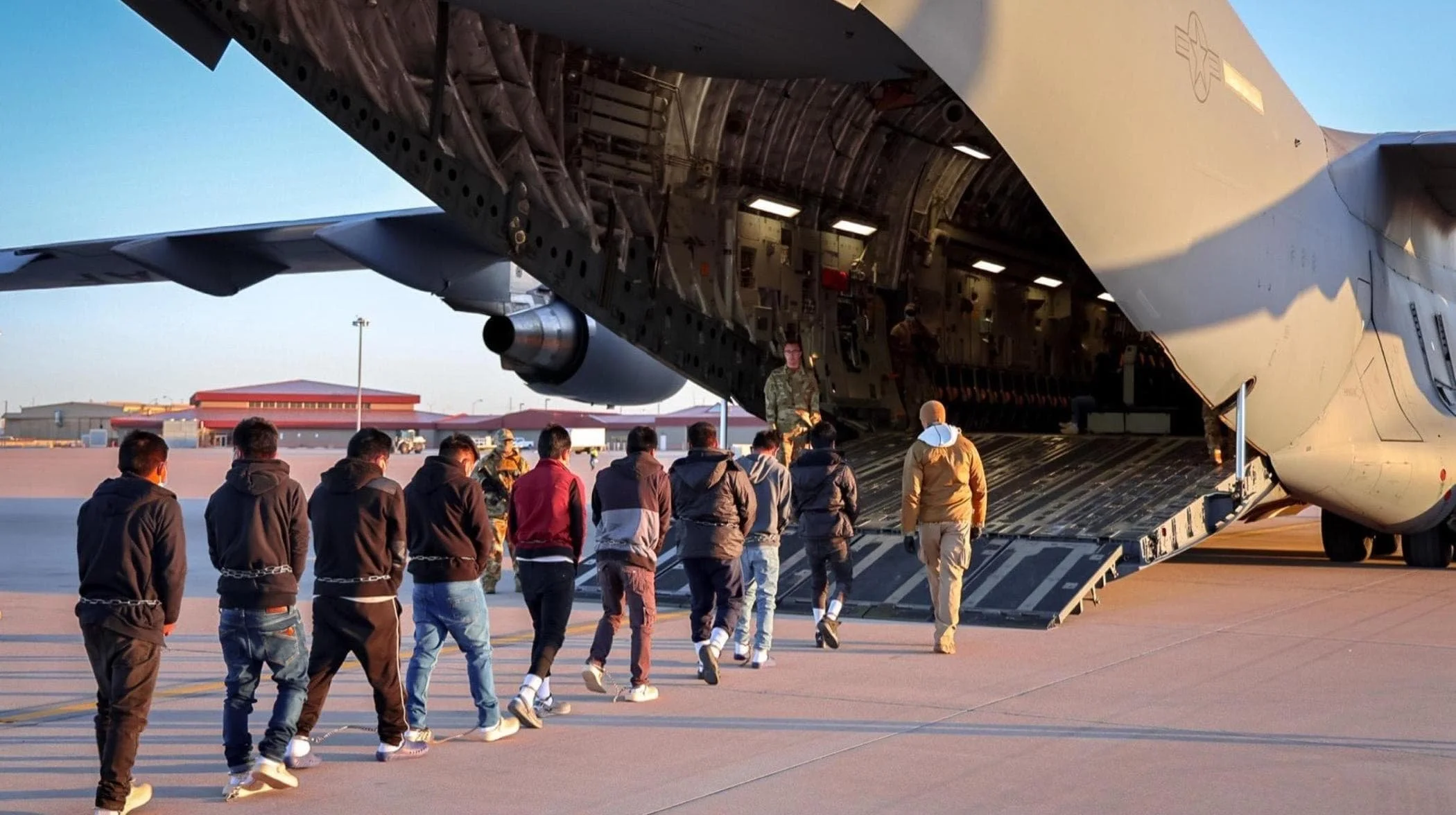
Third-Country Deportations: Illegal, Unethical, and Increasingly Common
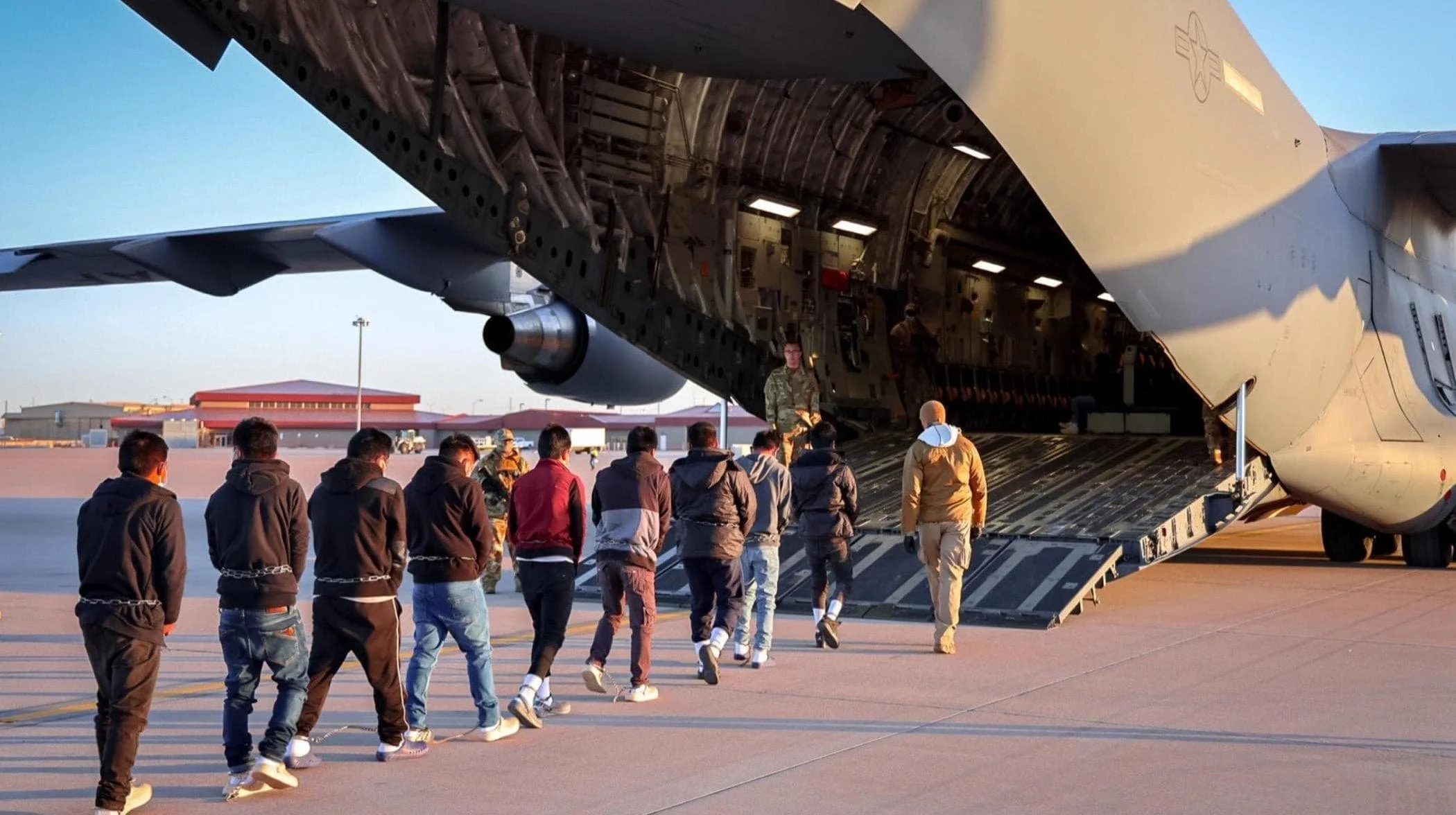
Immigration has been a thematic cornerstone of the second Trump Administration, embodying the core traits of Donald Trump’s political second wind. Immigration enforcement, through the unyielding, unrepentant power of the executive branch, has become all-encompassing, legally dubious, and intentionally targeted at the most vulnerable among us. The mass deportation of undocumented migrants (and sometimes documented migrants with Temporary Protected Status) has become a central aim of Immigration and Customs Enforcement (ICE) under Trump.
A bizarre twist in this new immigration regime is the phenomenon of third-country deportations, where migrants are not deported to their country of origin or the country they most recently immigrated from, but rather a third, unrelated country. The intentions behind this move may at first seem confusing. What is the intended message in attempting to send Kilmar Abrego Garcia, a Salvadoran man, to Uganda? Why send a group of Cuban migrants to Eswatini? Under the surface, these third-country deportations tell us a lot about both the symbolic and political power of deportations and the new ways in which powerful Western countries choose to address and manage immigration. The Trump Administration’s third-country deportations are an ethical wrong and a legal violation of domestic and international laws surrounding deportations and the treatment of migrants. Moreover, third-country deportations reflect a pattern of exploitation of weaker countries which further damages the credibility of Western powers and fails to address the deepening quagmire of global migration.
Starting early in Trump’s second term, the Administration began deporting undocumented American migrants, mostly from Central America but also hailing from areas as disparate as South Sudan, Cuba, and Vietnam. Infamously, a group of Venezuelan migrants were sent to CECOT, a maximum security prison in El Salvador notorious for its human rights abuses. On the African continent, the U.S. government struck deals with Uganda, Rwanda, Eswatini, and South Sudan in which they agreed to accept migrants. In theory, the policy, alongside other domestic immigration crackdown measures, is intended to deter asylum-seekers from seeking asylum in the U.S. and encourage self-deportation among migrants who are already in the U.S.
The third countries accept these deals for a number of reasons, the most obvious being that the Trump Administration has offered considerable monetary compensation for accepting immigrants. The Swazi government, for example, was paid $5.1 million to accept 250 migrants from the United States. The Trump Administration wields the stick in addition to the carrot; it has threatened to add the African countries who do not accept the migrants to its travel ban list, terminating the issue of visas for all of that country’s nationals. By using financial gain and diplomatic relations as a bargaining chip, the United States is exploiting smaller and weaker countries in the Global South because of its greater monetary and international power.
So far, at least 550 migrants have been deported to third countries. The migrants deported to third countries have been convicted of criminal offenses in the United States. Some of the migrants were already serving time in prison in the United States before their deportation. The conditions of the migrants once in the third countries are often brutal, and the information we have regarding their welfare is often murky. The migrants sent to Eswatini, for instance, were moved to its maximum security prison, known for its overcrowding and lack of resources. The deportees sent to Ghana have been deported again to their countries of origin after being detained in Ghana itself under reportedly “squalid” conditions. The deportees to Rwanda are reportedly being integrated into Rwandan society, rather than detained, but little information has come out about the results, and Rwanda has its own problematic human rights record under the regime of longtime President Paul Kagame. Deporting migrants to places that they are not from deprives them of their support system and legal representation, further cementing the inhumane conditions of third-country deportations.
Third-country deportations are not a new idea for the Trump Administration. During his first term, Trump attempted to deport third-country migrants to El Salvador, Honduras, and Guatemala, and wanted migrants traveling through Central America to seek asylum there instead of arriving at the Southern U.S. border. Under U.S. law, third-country deportations are legal, but only under highly specific conditions. The Immigration and Nationality Act (INA) allows migrants to be deported to third countries, but only if their country of origin refuses to accept them (perhaps because of political reasons or for lack of a diplomatic relationship with the U.S.), the migrant requests a third-country deportation, deportation to their country of origin is unsafe for the migrant, or deportation to their country of origin is otherwise improbable. Because migrants are sent to countries where they may face human rights abuses while imprisoned or become vulnerable to other forms of persecution, Trump’s third-country deportations violate the protections afforded by the INA. The judicial system has pushed back against the Trump Administration’s policy, with Federal Judge Brian E. Murphy halting all third-country deportations that occur without first ensuring migrants’ safety in April. It can be further argued that Trump’s deportations are unconstitutional on the grounds that they violate migrants’right to due process. Rather than getting due process for their asylum cases in the U.S., these migrants are deported to countries where they lack legal representation and are unable to argue their asylum claims.
Third-country deportations are also contested under international law. Under the 1967 UN Refugee Protocol, which the U.S. is a signatory to, a state is not allowed to deport a migrant to a place in which they would face danger, torture, or other forms of harm and persecution, in accordance with the principle of non-refoulment. The Refugee Protocol also prohibits “chain refoulment,” wherein a migrant is deported first to a third country and then to another country (such as their country of origin) where they might face torture or persecution. As mentioned, migrants have already faced human rights abuses while in detention in El Salvador and Eswatini, while being deprived of their legal right to an asylum claim. If these third-country deportations continue, migrants will continue to suffer and be deprived of their inalienable rights, while American immigration enforcement will remain unethical.
Third-country deportation is not only an American phenomenon. Starting in 2022, the United Kingdom (UK) government under Tory Prime Minister Rishi Sunak attempted to advance a bill to deport asylum seekers who cross the English Channel to Rwanda, with the intention of deterring future asylum seekers, similar to the policy of the Trump Administration. The proposal was, like its American cousin, quite costly; the UK government planned on paying Rwanda £240 million (~$324 million in US dollars) to take migrants and paying up to £150,000 (~$202,000) per migrant. This plan was found to be £63,000 (~$84,800) more expensive than simply keeping the migrants in the UK. The European Union (EU) has also looked into third-country deportation as a solution to its migrant crisis.
Even as an anti-immigrant tide continues to wash across the West, the ethical and legal issues of third-country deportation should deter its use among Western governments. Third-country deportations both risk the lives and safety of migrants once deported and are demonstrably illegal under both national and international law. At their core, third-country deportations rest on an exploitative relationship between Western countries and less powerful countries in the Global South. The U.S. under Trump is using its outsized economic and diplomatic power in order to coerce countries like Eswatini or Ghana into accepting migrants. These countries are incentivized to take the deportation deals, lest they lose visa access or forgo much-needed funds or aid. These exploitative relationships echo the coercion, extraction, and exploitation of countries of the Global South under Western imperialism. Such exploitative policies among Western powers today will only sow the seeds of greater distrust towards the West among the Global South down the line, and ultimately erode the legal and ethical credibility of the West on the world stage. It is abundantly clear that third-country deportations endanger migrants, and it is imperative that Western countries seek sustainable, long-term immigration reform rather than exploitative, unethical, and ultimately hollow policies.

Bangladesh’s February Election: The Final Step for the Interim Government
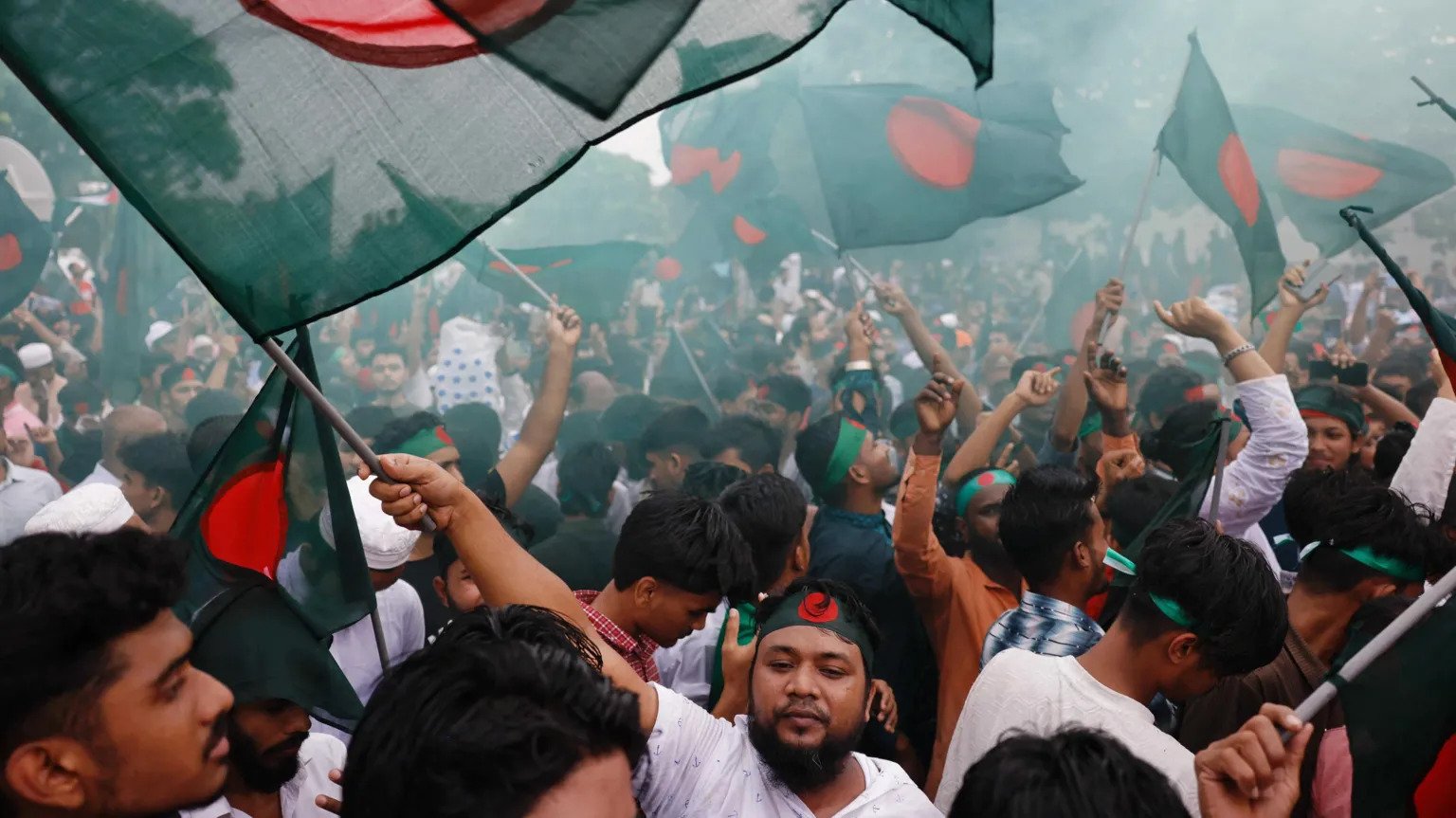
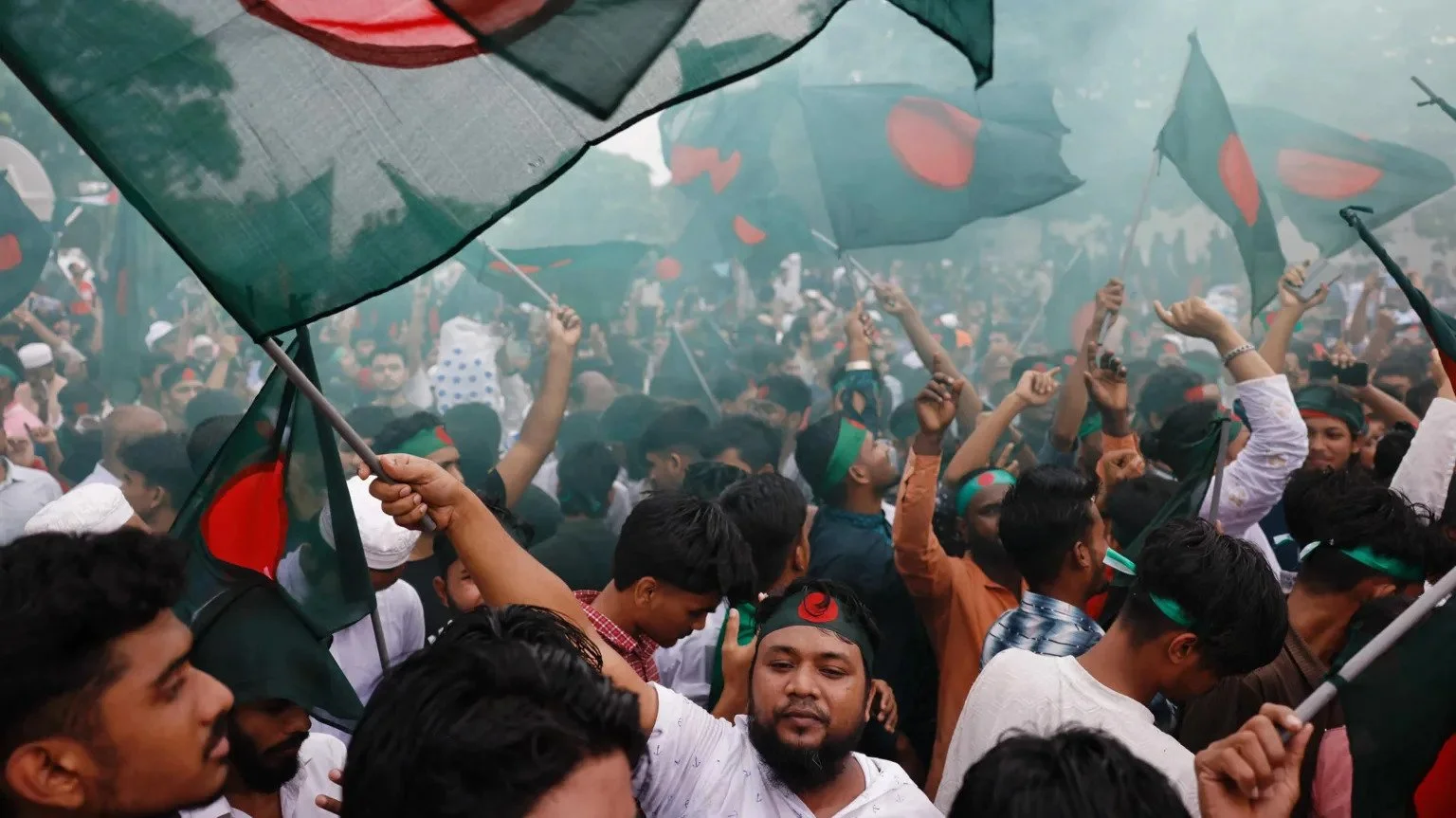
On February 12, 2026, Bangladesh will head to the polls to elect members to serve in the nation’s parliament. It has been just under a year and a half since student-led protests ousted former Prime Minister Sheikh Hasina, and the upcoming elections mark the final step in the interim government's exit from politics and the transfer of power to a democratically elected administration.
These elections are the culmination of a political crisis that erupted in July 2024, when student demonstrations swept the nation in response to a Supreme Court ruling on job quotas. This ruling reinstated the previously abolished quota stipulating 30 percent of government jobs must be reserved for relatives of veterans from the 1971 Liberation War. The protests quickly erupted into violence, and Prime Minister Sheikh Hasina fled the country as crowds stormed her presidential residence and demanded her removal. In addition to anger against the ruling on job quotas, individuals were frustrated with high inflation, high post-pandemic unemployment rates, and growing mistrust of Hasina’s political party, the Awami League. Her administration, long accused of systemic corruption, faced allegations of bribery, nepotism, and money laundering, allowing Hasina to steal billions from the government. According to reports from the interim government, as much as $16 billion annually may have been siphoned under Hasina’s 15-year rule.
After the fall of the Hasina regime, the vacuum of power was filled by an interim government led by Nobel laureate Muhammad Yunus, a national hero for his work on microcredit. At 84, Yunus had faced years of vilification under the Hasina regime and given up his own political ambitions. Yet, following the uprising, he celebrated Hasina’s removal as a “second independence” and agreed to lead the temporary government and the efforts to restore democracy. While Yunus publicly celebrated the regime’s removal, the reality of the situation was far more precarious as they were met with a system deeply corroded by years of corruption and political violence, an economy losing steam, rising unemployment, and angered political activists swearing to avenge Hasina’s regime. As the country heads into elections and the interim government transfers power to the first administration elected by popular rule since 2008, time will reveal whether they made enough progress under their leadership.
Liberation War of 1971
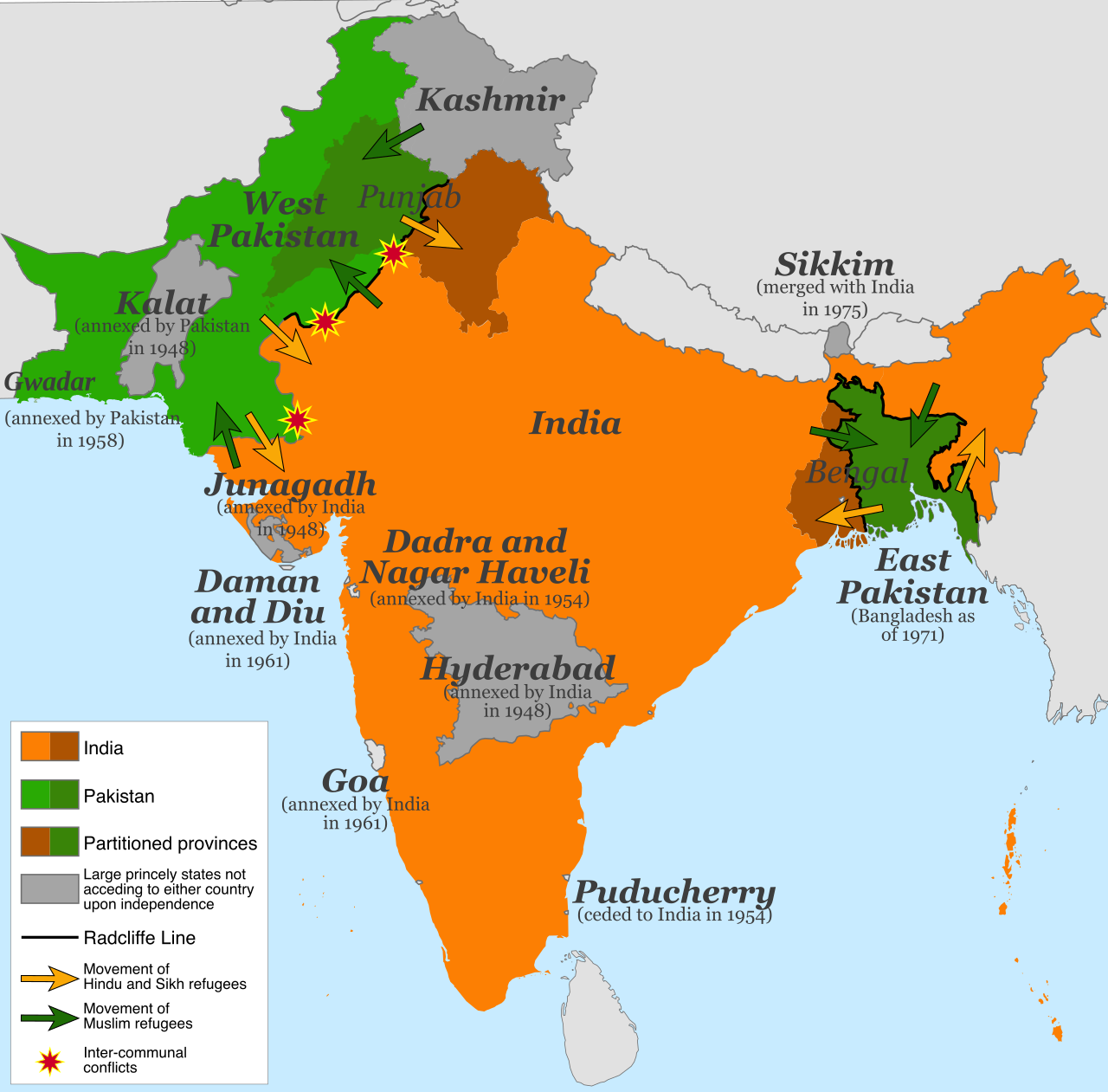
To understand the significance of the upcoming elections, the parties bidding for power, and the issues at stake, it is important to look at the nation’s history. Bangladesh’s political landscape today still wears the scars of British colonialism and the 1971 Liberation War. In 1947, India gained independence from British colonialisation, and the Indian subcontinent was partitioned, leaving Bengal split between Pakistan and India. West Bengal was to be ruled by India, and East Bengal formed the eastern wing of Pakistan. Under West Pakistan’s rule, there were mounting political and economic disparities that led to resistance and rising Bangladesh nationalism. In 1971, Pakistan launched Operation Search Light to quell nationalism, but instead it sparked a brutal conflict, ending with Bangladesh securing their independence. Millions of people were killed, and many more were displaced, a tragedy that haunts the memory of the nation today.
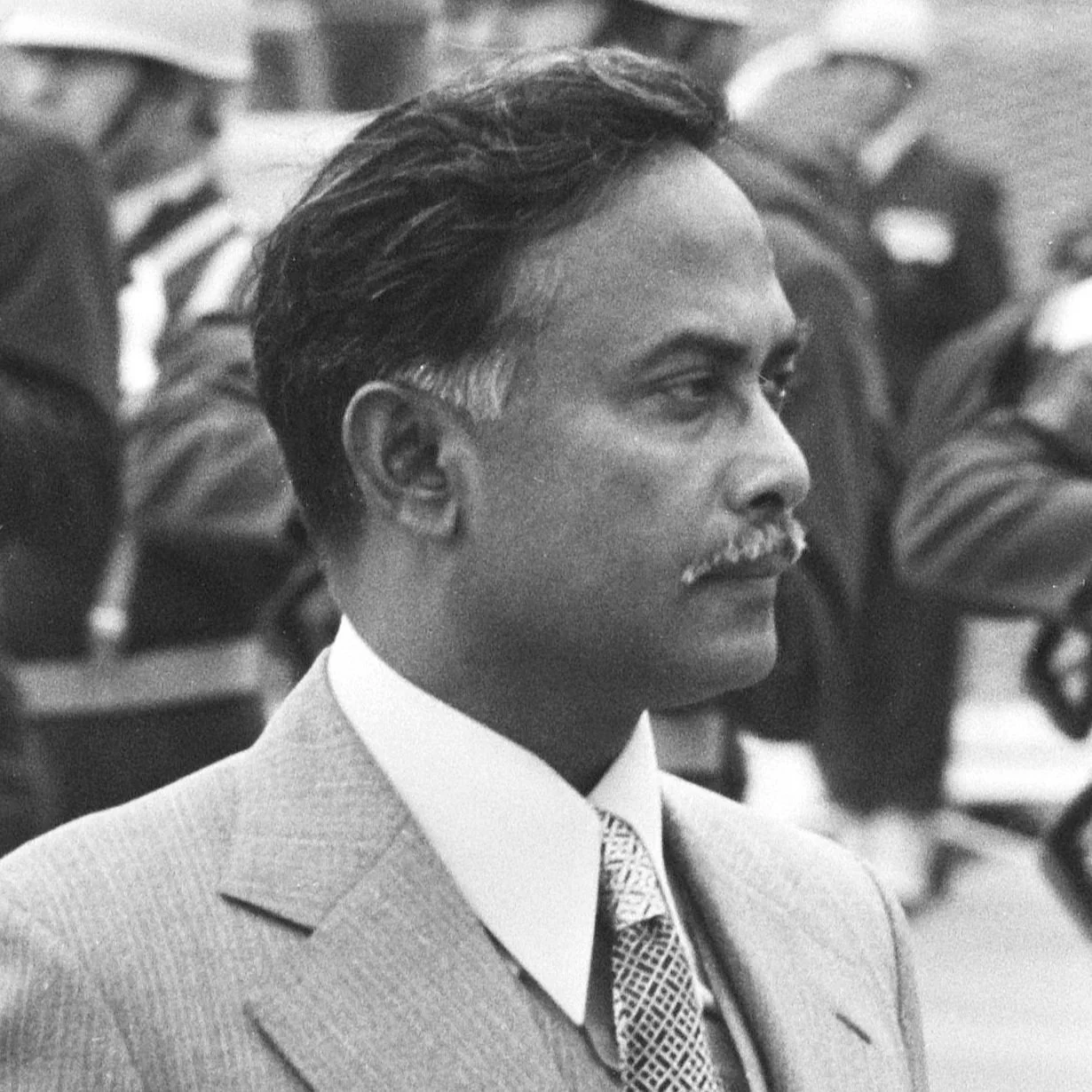
The political landscape that defined the nation for the decades that followed was perniciously polarized between the Awami League (AL) and the Bangladesh Nationalist Party (BNP)- both of which used the 1971 war as a means of legitimization. The father of Sheikh Hasina, the leader of the AL, was Sheikh Mujibur Rahman, the leader of the independence movement and known as the “Father of the Nation.” Khaleda Zia, the leader of the BNP, is the wife of Ziaur Rahman, the senior member of the armed forces who broadcast the start of the war and became the first president of the BNP in 1977.
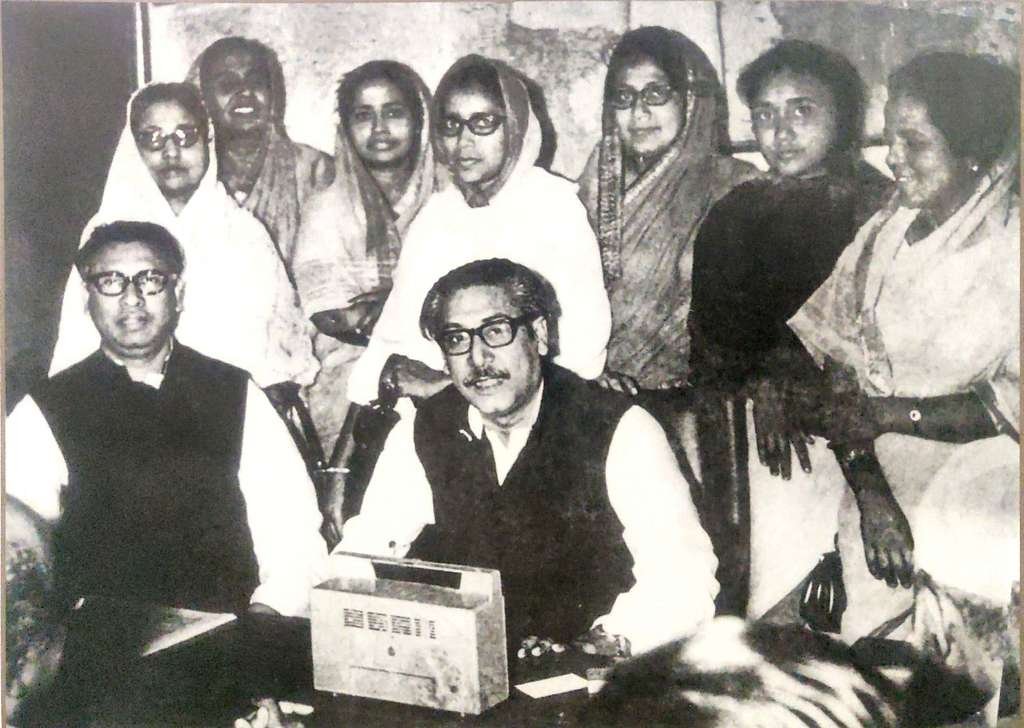
Picryl.com
Sheikh Mujibur Rahman awaiting the result of the 1970 election.
Wikipedia.org
Ziaur Rahman in 1979 serving as the 6th President of Bangladesh (1977-1981).
Pernicious Polarization
The AL and the BNP have dominated the political system since the nation’s independence. Despite technically being a multiparty system, no third party has been able to escape the shadow of the entrenched division between the two parties. With the AL representing the center-left and secular position, and the BNP representing the center-right, nationalist position, the ideological spectrum has left little room for the emergence of new parties. This creates party system institutionalization, wherein years of stable party competition and a lack of electoral volatility cement political parties into predictable patterns of intra-party competition around a divisive social cleavage.
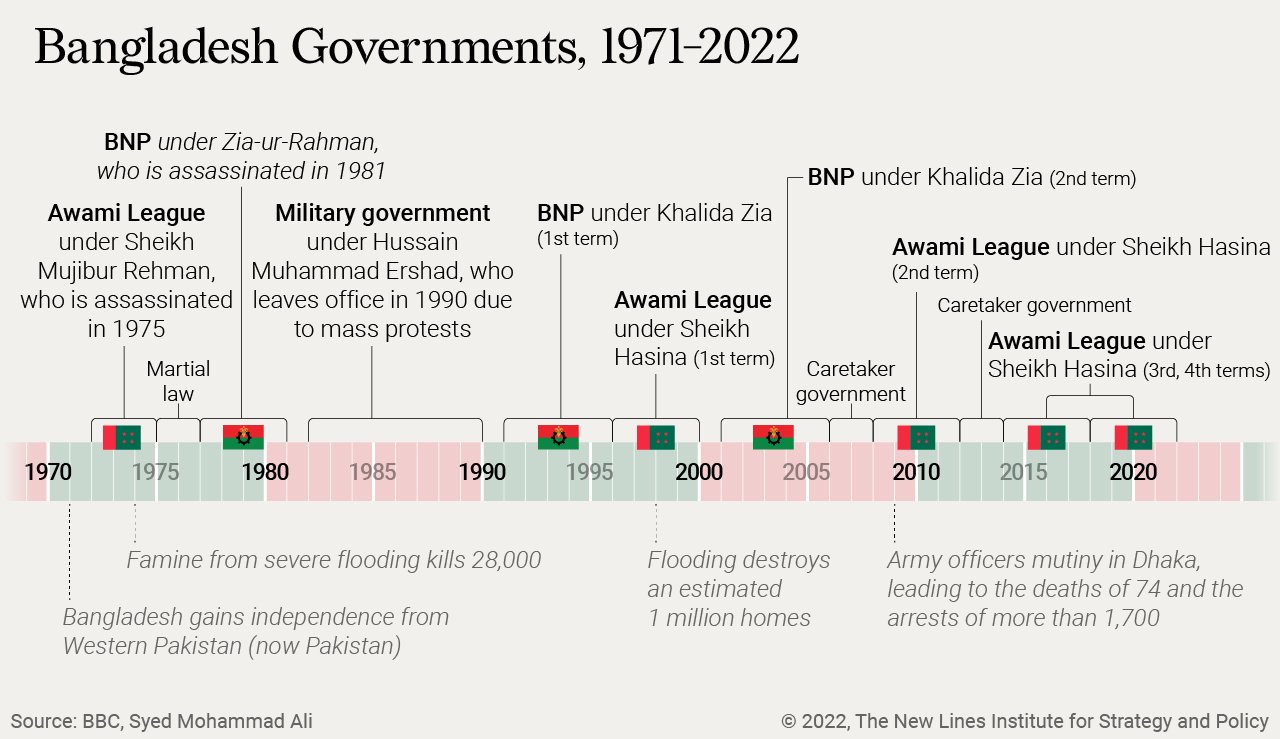
Institutional incentives within the Bangladesh Parliament, Jatiya Sangsad, have further entrenched polarization. As a winner-takes-all electoral system, the political party in power is able to concentrate executive power during the duration of its term. As the party in power, both the AL and BNP, despite coming to power through a democratic process, act in an authoritarian manner. With little to no constitutional checks and balances, the winning party has unfettered access to state resources and institutions and can even amend the constitution with a supermajority vote.
When Yunus assumed power, his outlined agenda proposed sweeping institutional change, the prosecution of those who committed violence during the protests, and the reinstatement of credible elections. While the interim government has garnered criticisms, they have stabilised the economy and achieved the cross-party consensus necessary to pass the July Charter in December 2025 (named after the 2024 uprisings). This charter is the culmination of the constitutional reform recommendations made by Yunus’ government and the thirty political parties consulted. Additionally, Yunus reinstated the International Crimes Tribunal (ICT) and formed the Commission of Inquiry on Enforced Disappearances, revealing the systemic nature of the crimes committed under Hasina’s rule.
Principal Actors and Issues in 2026
In the 2026 February election, the two main political parties campaigning for seats in parliament are the Bangladesh Nationalist Party (BNP) and Jamaat-e-Islami. As the Awami League has been banned from participating under the Anti-Terrorism Act passed in May 2025, the electoral landscape has shifted significantly. Its supporters, who made up almost 50 percent of the popular vote from the December 2008 election, will have to decide to vote for another party, if they decide to vote at all.
The BNP, last in power from 2001-2006, has historically been the AL’s principal rival. However, it has also harbored a sense of disillusionment from citizens who view the party as no different from the Awami League. As the International Crisis Group reports, Bangladeshis see the parties as “two sides of the same coin,” focused on money and power, not the improvement of the state. That said, in December 2025, two events managed to garner support for the party. On December 25, Tarique Rahman, the party’s leader, returned to Bangladesh, where he was greeted by hundreds of thousands of protestors. Five days later, his mother, who served as the first female prime minister, Khaleda Zia, passed away from prolonged illness. Whether or not this translates into support will be left unknown until the election.
The other main political party is Jaamat-e-Islami, the largest Islamist party in Bangladesh. Unlike the BNP and AL, Jaamat collaborated with Pakistan and opposed the liberation movement during the 1971 Liberation War. While it has never secured a majority in parliament, the party has played an important role in past elections by forming alliances with both the AL and the BNP at different periods of time. However, when the AL last held power, Jamaat was marginalized and its political strength weakened significantly. In 2008, the AL conducted a War Crimes Tribunal for the crimes committed during the Liberation War, ultimately convicting and executing many of the party's top leaders, making their current rise all the more surprising.
With the AL banned from participating in the upcoming election, it opens up space for Jamaat to become the main opposition to the BNP. In recent years, the party has made an effort to rebrand itself as a more progressive and tolerant Islamic party, a strategy aided by the fact that younger generations are less concerned about the party’s controversial role in the Liberation War. Under the leadership of Shafiqur Rahman, the party has also created one of the strongest social media platforms. Although some fear their resurgence could threaten women’s rights and freedoms, they have rejected these fears. At the same time, they have formed political alliances with the National Citizen Party (NCP) and the Liberal Democratic Party (LDP), and are fielding the Hindu candidate Krishna Nandi to expand their electoral reach.
Ultimately, the next stage in Bangladesh’s political history must be decided at the ballot box. The passing of the July Charter was only the first step in the path to democratic reform, and it is up to the next government to follow through with making the necessary constitutional changes and facilitating political reconciliation. However, this doesn’t come without both domestic and international challenges- namely, their relationship with India, the Rohingya refugees, great-power rivalries, and the economic frustration of the youth population-making the February election all the more important.

International Soccer: A Tale of Race and Stereotypes

The World Cup, a competition where the best nations compete to determine the world champion, has generated considerable excitement in the run-up to the 2026 tournament. The best nations compete for the honor of being the best, sparking feelings of nationalism and excitement among fans worldwide. With 1.5 billion people watching the 2022 World Cup final, nations are eager to qualify for the world’s biggest stage. However, with such a global event occurring, global politics and narrative inevitably permeate. The 2026 World Cup qualification campaign revealed that soccer still has issues of marginalization, discrimination, and inequality towards Africa that are intertwined with broader social and political struggles.
211 FIFA members participate in the qualification round across six confederations (North America, South America, Europe, Africa, Asia, and Oceania), with each confederation having a specific number of slots. Europe has the most available spots, with 16, while Oceania has the fewest, with one automatic qualification spot. The 2026 World Cup is bringing massive changes to the tournament format, expanding the number of nations from 32 to 48. FIFA president Gianni Infantino argued that the expanded format will increase interest in soccer worldwide, beyond Europe and South America. This is evident with Africa gaining 4.5 (5 to 9.5) additional slots and Asia receiving 4 (4.5 to 8.5) additional slots.
It has been no secret that since the early 1990s, FIFA has been trying to stretch soccer’s influence in the Global South and the Asia-Pacific. As nations in the Global South continue to bolster their economic and political influence, FIFA has sought to capitalize on opportunities to expand soccer’s global reach and generate revenue from untapped markets. In 1998, FIFA expanded the tournament from 24 to 32 teams, and subsequent editions were held in Asia (Japan and South Korea, 2002) and Africa (South Africa, 2010). The extra revenue generated from the 2026 World Cup will go towards helping develop soccer in less developed nations. The new format has already broadened the horizons for nations such as Jordan, Uzbekistan, and Curaçao, which will make their tournament debuts. However, this new allotment format has come under criticism, most notably from Italian manager Genaro Gattuso.
Gattuso's recent comments on the World Cup qualifying format have revealed a much darker side of international soccer, one rooted in stereotypes, discrimination, and cultural superiority. This issue has persisted since the game's inception and shows no signs of abating. While soccer seems like an innocent sport that the world enjoys, it exemplifies the racial marginalisation and discrimination toward non-Western nations. In November of 2025, Gattuso spoke out on his frustration with the new system. He lamented the difficulties of qualifying in Europe, as his Italian team missed out later in November after a second defeat to Norway. Consequently, Italy will face a playoff round of qualification, with the potential of missing their third consecutive World Cup. In his complaints, Gattuso told the press, “In 1990 and 1994 there were two (African) teams – now there are nine. It’s not a controversy, but it creates difficulties.” He proceeded to express his dismay that a nation like Italy, with such a strong football pedigree, can fail to qualify, while smaller nations such as Cape Verde, Haiti, and Curaçao have secured their place.
Gattuso’s words highlight the continued racial marginalisation of certain groups, an issue far greater than the World Cup or soccer. Gattuso demonstrates a Western bias, alluding that Europeans are inherently better at soccer and therefore should be given the most World Cup spots and have an easier qualification path. This is despite Morocco reaching the semi-finals in 2022, defeating powerful European nations such as Spain and Portugal during the tournament. He appreciates the previous framework, where only 2 out of 54 African nations qualify because, in his view, African nations are inherently worse at the sport. Therefore, if the World Cup is supposed to feature the best nations, “inherently” bad teams in Africa and Asia should receive fewer slots. Gattuso's transparent cultural superiority complex stems from a history of colonialism, which emphasises Europeans as naturally superior while demeaning other groups, including Africans and Asians, as “lesser” people.
Many African teams have called out Gattuso in his recent comments, highlighting this colonial mindset. Senegalese and Moroccan pundits claim Gattuso's comments were colonial thinking masked by nostalgia. Nigerian football legend John Utaka pointed out that Europe still obtains more allotment spots than Africa, emphasising internal issues that stopped Italy from qualifying. The disdain for Gattuso's comments extended far beyond pundits and players, with everyday Africans uniting as #GattusoOut dominated X across the continent.
The statement and assumption that Europe contains all the best players compared to Africa fail to consider the colonial context. Many of the top players on elite national teams such as France and England are of African descent. During the colonial period, Western powers discriminated, tortured, and ravaged the native population, leaving these nations poor, underdeveloped, and unstable when achieving independence. This underdevelopment, though mostly talked about in an economic and political context, had a huge impact on soccer in the region. Currently, youth programs are not fully established, there is insufficient outside funding, and there are poor-quality stadiums. Many professionals fail to get paid on time and have little to no insurance. Children wanting to participate in higher levels are forced to migrate to Europe, where training resources and opportunities are superior. As a result, many locals immigrate to their former colonial rulers, seeking a better life.
Additionally, soccer in Africa has a lot less exposure worldwide compared to areas like Europe and South America. This incentivizes African players to pursue careers in Europe, where leagues are marketed as the pinnacle of sports, and players can gain more recognition. This causes Western powers to perpetuate the notion that colonial powers are just more prosperous and advanced, when in reality, it is because of their colonial destruction of Africa. Despite the hurdles and narratives African nations and programs have to overcome, recently, strong progress has been made. Deals from broadcast networks to host the Africa Cup of Nations (AFCON) games have generated mass revenue used to fund infrastructure projects such as roads, hospitals, and stadiums. Following 2028, the confederation has decided to align AFCON with the EURO schedule to generate even greater revenue for development.
However, when young stars are not deemed good enough to start for England or France, they switch nationalities and appeal to their African heritage. Upon Ghana’s qualification to the World Cup, both Eddie Nketiah and Calum Hudson-Odoi expressed interest in playing with the Ghana national team. This is despite both players previously refusing to represent Ghana in favor of England. The shift highlights a pattern rooted in colonial dynamics, driven by the assumption that earning minutes in Africa is easier because the competition is weaker. The situation presents a dilemma for the Ghanaian Football Federation and other African teams. On one hand, allowing these players to represent Ghana adds much-needed talent to help develop soccer and compete at a high level. On the other hand, accepting players who previously intended to represent European nations only perpetuates the notion that Africa is second-class compared to European superiority. This is not just an issue with Ghana, but with many African and Caribbean nations that reinforce Western hierarchies in the soccer world.
Overall, soccer can be a uniting factor that brings a nation together. Even so, with such a popular sport, narratives, beliefs, and biases from pop culture permeate it. Despite decolonization ending around 50 years ago, its impact persists in unfairly marginalizing groups. Racism has always been a problem in soccer, and with Gattuso's comments, there is still a long way to go before it is resolved. Despite past struggles, soccer in Africa, Asia, and the Caribbean has been on the rise, and with the expanded format, many nations will get the opportunity to play at the World Cup and develop infrastructure.

The Shadows of Statelessness: Life in Kutupalong Refugee Camp
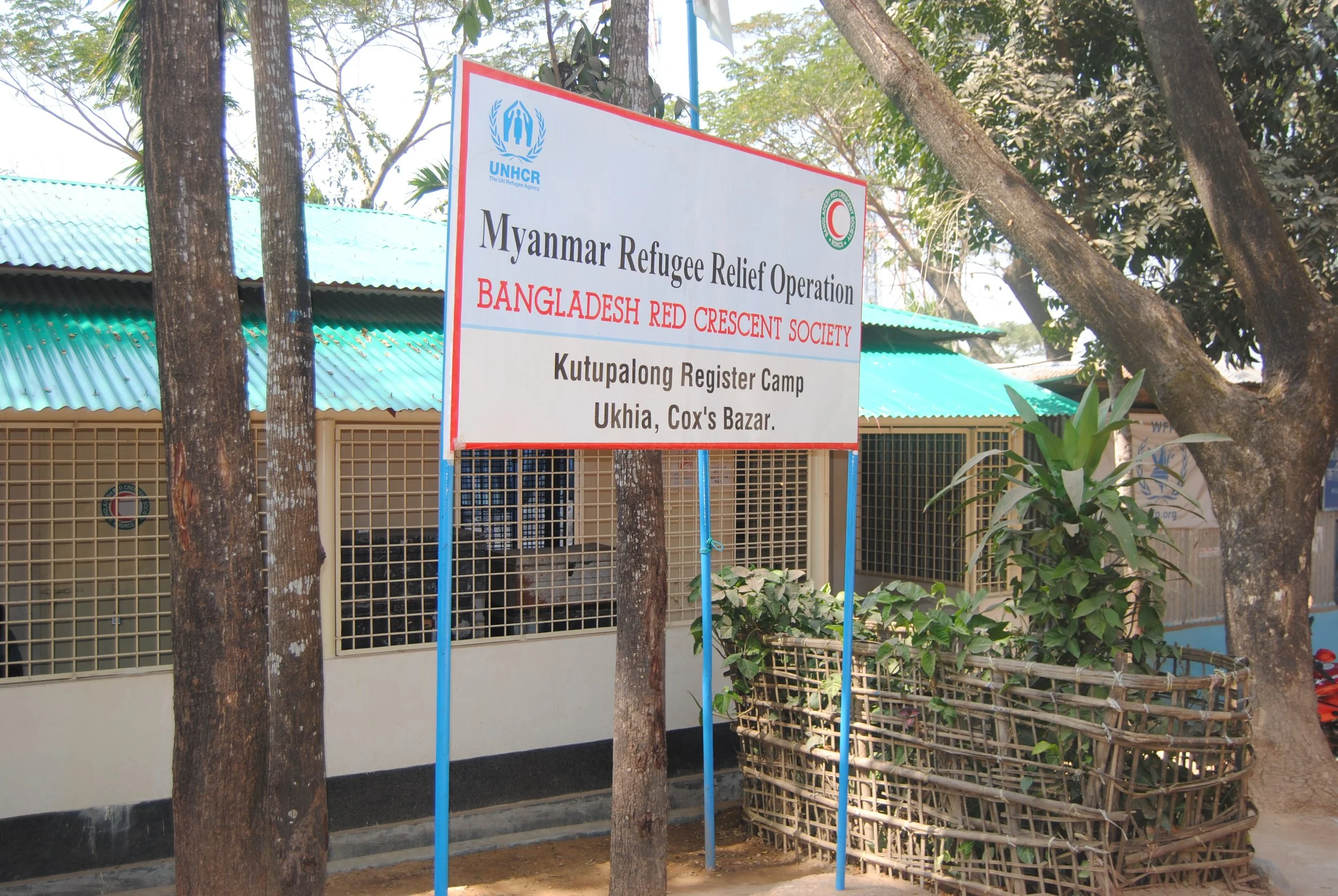
What does it mean to be stateless in a world of borders? To be born in Kutupalong Refugee Camp is to know statelessness in your very first seconds on Earth. You are born untethered from the protection of the womb and untethered from the security and identity inherent to citizenship. Even your birth itself is precarious: the refugee camp’s medical infrastructure is stretched thin, and the maternal mortality rate is frighteningly high. Your earliest memories and your formative years are enveloped and shaped by constant uncertainty. To be born in Kutupalong is to be born invisible; in a world of strict, controlled borders and carefully placed national identities, one of international conflict and global policy, you are the world’s afterthought. The concept of your inalienable human rights may never reach your soft ears and fresh eyes. And as you grow older, the true meaning of your invisibility in such a world will become all too clear.
Among the lush mountains and pristine beaches of Cox’s Bazar, Bangladesh, lies the Kutupalong Refugee Camp. Kutupalong is not only the largest, but also the most populated refugee camp in the world to this day, hosting approximately one million people. It is also the most densely populated region in Bangladesh, the tenth most densely populated country in the world, with a population density 1.5 times higher than that of the capital, Dhaka. In Kutupalong, space is a luxury. The close quarters and flimsy structures are an immediate reminder of the precarity of those within; the instability of statelessness is compounded by the instability of the camp itself. Life must be conducted among tight spaces, as human connection must shine through the cracks.
Kutupalong is home to the Rohingya Muslims, a minority ethnic group native to the fog-laden mountains of the Rakhine State in Myanmar (formerly Burma). Beneath the misty peaks lie the seeds of a vicious ethnic animosity: the Rohingya have faced systemic discrimination and overwhelming violence at the hands of Buddhist nationalist groups, a campaign that has been labeled as a form of ethnic cleansing and genocide by numerous countries and human rights organizations.
As it often does, this ethnic cleansing and genocide worked its way through legal and institutional mechanisms in Myanmar before manifesting as physical violence. In 1978, the military government took power, ushering in the first of many waves of Rohingya migration to neighboring Bangladesh. The Myanmar citizenship law, passed in 1982, recognized the official ethnic groups of the country, but intentionally excluded the Rohingya. Instead, they were singled out as foreigners, despite having resided in the Rakhine State for centuries, labeled out of step with the nation’s Buddhist nationalist majority, and thus denied citizenship rights. The ethnic tensions have 20th century colonial origins: the Rohingya were originally aligned with the British occupation, and were later systemically targeted by Burmese groups aligned with Imperial Japan and later communist forces, fostering a deep resentment that has simmered ever since. This forced statelessness coincided with the forcible taking of land, employment exclusion, and other forms of systemic discrimination.
The extensive dangers of childbirth in Kutupalong are a microcosm for the manifold pressures on daily life among the Rohingya. A pregnant woman is incredibly vulnerable to the elements; the Bangladeshi government ban on permanent structures means that the spaces she occupies are shielded merely by bamboo and tarpaulin, nowhere near enough protection from the frequent torrential monsoon downpours, nevermind basic privacy. Her shelter is small, much too small; in fact, it is significantly smaller than UNHCR guidelines for refugee shelters. Should she need sanitation services, she will find that four times more people than the UNHCR recommendation end up sharing sanitation units in the camp. When she needs medical services, it will be incredibly difficult to get her to a hospital. Multiple delays occur in seeking medical care: initial delays stem from a warranted distrust of large institutions and the Bangladeshi government; there are further delays in physically reaching a medical center, as there is no robust health center in Kutupalong itself; and additional delays prevent receiving appropriate care for a number of reasons ranging from overburdened services to discrimination. As the years wear on, international attention wanes, and foreign aid from Western countries and NGOs dries up, leaving mothers without essential supplies for pre- and post-partum care. The armed gangs that have taken root in the camps in the absence of government oversight mean that she is at constant risk of violence. The mental and social stresses are incredibly detrimental to the health of her and her child. Mothers are constantly facing an onslaught of instability, and life in Kutupalong grows ever more complicated over the years.
For that baby to grow up in Kutupalong, all they know is to be caught between a country that does not want them and a country that disowns them. Their education will be spotty and piecemeal at best. Their friendships and childhood memories must grow in the tight spaces of the camps, the cracks in the bamboo tents and the tarpaulin walls. They must survive widespread disease and little medicine to remedy it. As they grow older, a lack of economic opportunity becomes painfully clear. The armed groups which have taken hold in the camp and funnel illicit substances may try to recruit them, but may also threaten them if they cross the armed groups. They have heard stories of their older peers sailing to Malaysia or Indonesia for economic opportunities; this becomes an increasingly seductive, if incredibly dangerous option. They always remember the risk of being repatriated back to Myanmar, and facing violence or death in the process. Most of all, they want to take their fate into their own hands, and escape the shadow of statelessness that has haunted them since birth.
In their escape, the Rohingya have found great difficulty; Bangladesh has been, at best, wary, and at worst, actively hostile to its role in housing these refugees. Repatriation attempts in the 1990s led to subsequent danger and death for those who were forced back into Myanmar. Notably, such repatriation is illegal under the 1967 UN Protocol on Refugees, specifically in its policy of non-refoulment; repatriation is an aspirational goal, but can only occur if those refugees are returning to a safe environment where they will not be persecuted. As the Rohingya were bitterly and unceremoniously forced from the security that the modern nation-state brings, they were thrown into a situation that deprived them of legal and institutional support, channels through which they could make their voices heard, and means of expressing their grievances. While still protected as refugees under international law, their statelessness renders them an international liability–no state wants to be responsible for the stateless people. Pervasive anti-immigrant sentiment makes integration wishful thinking, and casts those escaping outright annihilation as outsiders, or more insidiously, threats to national security and societal cohesion that cannot be allowed to remain and settle. This pattern of thought replicates like a virus in social discourse worldwide, stomping out any semblance of nuance and corroding policy approaches.
For those caught in the web of statelessness, unable to return and barred from integration, Kutupalong becomes their whole world. The camp is its own socioeconomic system enabled by its shaky permanence and the inactions of the powers presiding over it. The lack of international action, the hesitance of the Bangladeshi government, and worsening conditions in Myanmar mean that Kutupalong ends up a permanent home to many. In this way, the temporary stretches into forever. What does it mean to become permanent, to fade into the background, to become forgotten in the collective memory of the world? Must this be the fate of the Rohingya?
The conditions in Kutupalong are not unique–they are an archetype found across many refugee camps throughout the world. 22% of the world’s refugee population resides in some sort of camp. Dadaab Complex, in Eastern Kenya, hosts refugees from the various conflicts in Sudan, South Sudan, Somalia, the Democratic Republic of the Congo, Ethiopia, and Eritrea, among others. The camp has similarly faced issues with hunger, sickness, and access to resources. Images of the sprawling Za’atari refugee camp in Jordan galvanized the world in the mid-2010s, the fallout of the Syrian Civil War and the campaign against ISIS across the Middle East and North Africa. These camps similarly became long-lasting as the conflict in the Middle East stretched on. Refugee camps in years past faced similar issues of overcrowding, starvation, and uneasy permanence, most notably in Thailand, which housed refugees fleeing the Vietnam War and other violence in Southeast Asia in the 1970s and 1980s at Ban Vinai. Refugee camps have been a persistent issue for the international system, and show no signs of going away.
Refugee camps are usually administered by the United Nations High Commissioner for Refugees (UNHRC) and the host country; these parties are legally liable for the camp’s inhabitants when their countries of origin have forsaken them. Yet, the protection of international law can be fleeting on the uneven, shaky ground of camps like Kutupalong. National policy towards refugees is often reluctant because of local anti-immigrant sentiment; for instance, the Rohingya are viewed as illegal or economic migrants among many in Bangladesh, a frustration fed by the strains on the Bangladeshi government because of the refugee crisis. The fierce nationalism at the core of many nation-states fosters exclusion, opposes integration, and impedes long-term policy goals. Because of this, national policy towards refugees can sometimes be punitive, and they are prevented from further integrating through starting businesses or gaining stable employment. States are often reluctant to enforce international laws that are under their jurisdiction under the 1967 Refugee Protocol. A national government’s aversion to their international responsibilities further reinforces the alienation that many refugees experience from local institutions and their legal and human rights. A lack of civic education, trauma stemming from conflict, and differing cultural values and identities can make international law and human rights akin to alien technology for those who need it most. International law becomes an abstract set of rules written in a language the refugees cannot understand; it is not written to work for them.
However, with the right understanding of their legal rights and how to access them, international law can be an empowering and liberating force in refugee camps. As found in Ghanaian refugee camps for Liberian refugees in the early 2000s, educating refugees about their rights and how to use them allowed them to advocate for their needs, address protests, and even start elections within the camps. This showcases the true potential of international law: it allows people to “claim injustice, inspire unity, and manage fear.” Giving refugees these pathways out of disenfranchisement and towards empowerment reframes the narrative of refugees–they are no longer tragic yet passive objects of suffering, or pariahs to be feared. We can instead understand refugees to be people with agentic power, with rights and intrinsic value, who are determined to keep their culture and identity alive, motivated by cultural memory and a deep, abiding willpower. As climate change, global instability, and the growing ease of migration create more international refugees, the way we think of and address refugees must be increasingly scrutinized. While international law needs to be strengthened and improved to address new and old refugee crises, existing international law can still be an effective tool for refugees today. Moreover, a new understanding of refugees gives them greater power in the global imagination and helps to reconstruct superannuated policy and reductive narratives around refugees.
Large-scale change in refugee policy is imperative in today’s world. The 1967 Refugee Protocol is painfully outdated: it is overly constricting and does not account for new phenomena like climate refugees. The bureaucratic labyrinth that refugees find themselves in when dealing with organizations like the UNHCR prevents effective action and further alienates refugees from the institutions that could help them. Many Western countries attempt to circumvent the responsibility of the asylum system by preventing asylum claims in the first place. In its place, a refugee convention that holds host countries more accountable and streamlines the process for refugees through reduced paperwork and more clear education and definitions is important in treating refugees with dignity and appropriately addressing crises. Greater resources must be allocated towards host countries like Bangladesh, who struggle with capacity, in order to improve the conditions within camps. This would allow camps to provide improved and timely healthcare, education, and mental health services. Moreover, oversight and accountability are necessary to ensure that host countries are abiding by UN regulations on refugee camp density and health requirements. Most of all, we must strengthen the civic education and legal pathways, so human rights become truly inalienable and universal, voices for the voiceless, and not just privileges for those who were born lucky. Through this, the world can help many escape the shadow of statelessness and ultimately step into the light.

What the Sahel is Going On?

Photograph: M Hamidou/Reuters
In recent years, Mali, Burkina Faso, and Niger have all been subjected to military rule. These three nations have been working in tandem, forming the Alliance of Sahel States (AES) in 2023 as a move toward regional unity. The alliance creates a new power within the region, focused on a pan-African belief that glorifies the continent’s strength, without Western intervention and the unity of a shared African identity. In West Africa, a region moving towards economic cooperation and diplomatic progress, the AES has provided serious challenges. Recently, The AES announced their joint withdrawal from the International Criminal Court (ICC), reflecting a broader theme of isolation from the global order to consolidate their own ideals of integration.
All three nations, prior to their coups, possessed a government widely despised for their inability to address jihadist insurgencies plaguing the region. Their weak leadership marked a deterioration of trust evident with Mali President Ibrahim Keita, who was accused of corruption, or Niger’s Mohamed Azoum, who severely mishandled the economy. Notably, these ineffective leaders relied too heavily on foreign guidance, exemplified by Burkina Faso’s previous ruler Paul-Henri Damibia whose continued dependance and blind agreement to foreign demands undermined local native authority. In their places are rulers hellbent on emphasizing a return to sovereignty and populism.
The first of these nations to undergo a military coup was Mali in 2020, with the army seizing weaponry and control. In 2021 Assimi Goïta assumed power after declaring that the interim president was working to destroy Mali. He cultivated a “strongman” image of going against the politically established elites, which the public desired. A year later in 2022, Burkina Faso experienced an eruption of gunfire near the palace of Paul-Henri Damiba who was detained at a military base. In his place came military general Ibrahim Traore, who has experienced hefty popularity across the continent for his endearing message on African pride, and socio-economic policies that are said to benefit the public. In Niger, former president Mohamed Azoum was under house arrest as Abdourahmane Tchiani rose to power in 2023. Tchini gained huge popularity in Niger during his ascension, working with civil society groups to promise economic control of their resources as well as a resilience program to benefit the common man.
All three military regimes are united against a common enemy, the West. France, in particular, had previously colonised the Sahel, and continues to exert significant influence through political and economic ties. In each case, the coup deposed a French-backed leader who failed to prioritize internal concerns including economic struggles, corruption, and islamist extremists. Goïta, Traore, and Tchini perceive the French as responsible for their struggles because of the history of colonialism and have therefore begun distancing themselves from ties with France. From 2022 to 2023, French troops withdrew from Mali and Burkina Faso. French embassies and diplomats have been forced to depart from the AES nations with strict guidelines on French media in Mali and Niger. In its place, the AES has turned to China and Russia for political influence, with Russian nuclear power plants in Burkina Faso and a heavy military presence in Mali. China has increased economic ties through new infrastructure and security measures, while portraying themselves as non interfering. Traore has claimed both nations respect himself and his counterparts, a stark contrast to the intervening nature of the West.
In Africa, the AES has prompted further isolation, with Niger, Mali, and Burkina Faso withdrawing from the Economic Community of West African states (ECOWAS). ECOWAS, composed of 15 member states, has long served as an integrating force, enabling citizens to live and work within member states while goods travel freely. The reasons presented for leaving concern the lack of security ECOWAS has provided the Sahel states against terrorism, culminating with its poor handling of the coup in Niger. The sanctions and threat of military intervention in Niger has eroded trust that ECOWAS can support the interest of all members. Beneath the outspoken concerns, ECOWAS wanted all three nations to install democracies, a move resisted because it would neuter their power. The withdrawal of a large part of West Africa has marked a crisis as uncertainty regarding future integration of the region grows. The AES will remain a thorn in ECOWAS and the African Union as they attempt to discover new paths for integration while managing uneasy relations.
The next step of the AES’s shift away from the global norm, and by far the most significant, occurred with their withdrawal from the ICC. A joint statement was released announcing their intentions to not recognize the authority of the UN court. All three leaders asserted that the court was incapable of dealing and prosecuting those accused of war crimes, and was instead a form of neocolonial repression. It once again establishes the pan-African belief of self-sovereignty, away from perceived Western influences believed to be the root cause of African struggles. The remarks regarding the ICC’s bias towards more privileged nations echoed previous criticisms from Rwandan President Paul Kagame. Instead, the three states advocated for a form of “indigenous mechanisms” to restore peace and justice.
The withdrawal of Sahel nations comes as no surprise, yet marks an integral point forward. All three leaders since rising to power have been forced to deal with jihadist rebel groups linked to numerous terrorist organizations such as Al-Qaeda. In the midst of the brutal warfare, Human Rights Watch and many advocacy groups have raised concerns about human rights abuses in the region. Military forces in both Burkina Faso and Mali have been accused of committing atrocities and the UN alleges the summary of executions of Malian citizens may count as a war crime. The Sahel exit from the ICC signals a clear distrust of the global oversight that goes beyond their Western skepticism.
However, it further reiterates the Sahelian commitment to abandon the current integration of the world order. Instead, the Sahel alliance advocates for a different type of integration, one that favors them. The Sahel alliance already has a joint force of around 5,000 men devoted to fighting terrorism as well as issuing the first common passport in 2025. Their “indigenous mechanisms” previously stated have already been at work with the establishment of the Sahelian Criminal and Human Rights Court. At the forefront of this integration is Burkina Faso President Ibrahim Traore, who envisions a United States of Africa. This united entity would use the same currency, coined “Afro money,” and allow African citizens to travel across the country without a visa. With the cooperation of African states as a single entity to help each other develop, independent of any foreign interference, it represents Traore’s fundamental pan-African principles. The movement has failed to gain significant political support outside the Sahel alliance, as the rest of Africa has remained firm on its original ideas and beliefs on how integration should occur.
Ultimately, the Sahel alliance will become the forefront of the geopolitical struggle in Africa as a stain on the hopes for smooth integration. The Sahel alliance is caught between an urge for self-determination and attempts to integrate within its vision. The Russians and Chinese are soon to develop an even stronger foothold on the continent. EU and US foreign policy have failed in the region due to empty promises with little tangible benefits for the locals, attempting to shape the Sahel through Western ideals. The US and EU have to drastically change their approach in Africa to avoid losing even more of the region. In order to handle the instability of the region, joint effort from the African Union, ECOWAS, the EU, and the UN is needed to promote a policy on reintegration focused on protection while avoiding the perception of neo-imperial control.

The World Owes Haiti an Apology: The Perils of US Intervention

The United States is a country that wears its values on its sleeve and thus takes it upon itself to carry the weight of the world on its shoulders. Upon its very birth, it stood upon a foundation of freedom, justice, democracy, fairness, and opportunity, principles that it proudly emblazoned on its seminal Constitution and that it immortalizes in its physical monuments. These are the traits that define the outlook of America’s history; these traits make up the hallowed, almost deified American Dream; these are the traits that Americans seek to embody at home and abroad. It is what distinguished early America from the antiquated and repressive monarchies that it sought to free itself from. Yet, travel to Haiti, a nation scarred by American intervention, and these traits will seem like a myth when ascribed to the U.S. Travel to Haiti, and it will seem like freedom and justice are in short supply.
Seemingly from its inception, the Caribbean country that makes up around one-third of the island of Hispaniola has been mired in a stubborn, unrelenting downward spiral of abject poverty, political instability, and despair. The reputation of being “the poorest country in the Western hemisphere” has clung to its national character for over a generation and supersedes any further conversation about Haiti. The irony is, Haiti was once the wealthiest colony in the entire Western Hemisphere. The juxtaposition between its former abundance and its current suffering can be explained by the legacy of colonialism and occupation, originally occurring under the Spanish, and later the French and American imperial projects.
The story of Haiti’s contact with the West unfolds in a familiar way to its peers in the Western Hemisphere. Initial Spanish contact brought disease, which ravaged the indigenous populations, as the Spanish crown enacted the racial and economic hierarchy that facilitated its rule. Hundreds of thousands of Africans were trafficked onto the island via the Transatlantic Slave Trade. Amid weakening Spanish power, France laid claim to the Western part of Hispaniola, transforming the colony into an economic powerhouse fueled by cash crops like timber, sugar, and coffee. But in 1791, Haiti was struck by an intriguing turn of events: a massive slave revolt, led by the revolutionary and ideologue Toussaint L’Overture, proved an existential threat to French colonial rule. After thirteen years of brutal war, the former Haitian slaves successfully declared independence, in a land free from the tyranny, exploitation, and humiliation of slavery. This constituted the world’s first ever successful slave revolt to gain independence, and mirrored the effect of the “shot heard ‘round the world” so embodied in American ideals.
Yet, even from the outset of Haiti’s existence, America’s presence could be felt. Though early in the United States’s lifespan, the young nation had already demonstrated an interest in its peers in the Western hemisphere, in a foreign policy approach that would eventually culminate in the Monroe Doctrine. The U.S. supported the global isolation of Haiti during the Jefferson administration, maintaining its alliance with France and the global balance of power. However, the U.S. had its own vested interest in preventing the success of the Haitian Revolution: the Jefferson administration did not want the country’s own slaves to revolt following inspiration from their Haitian comrades, especially given its already tense racial politics. Of course, Thomas Jefferson and his peers would never admit that their approach directly contradicted the premise of universal rights and economic freedom, upon which they had fought a war with the British less than thirty years earlier. But from its very birth, Haiti was defined by the interests and potential aggression from foreign powers, a trend that would only continue.
Shortly after Haitian independence, the French levied enormous debts upon Haiti, which it was forced to pay under threat of force, to make up for the lost wealth of French slave owners and landowners. This was a threat made to Haiti, which was already outgunned and underdeveloped due to the existential war it had just fought. Haiti was forced to take out loans from French banks to pay this debt, and then accrue additional debt from French banks to cover its original debt. So while France continued to profit from its former colony long after its occupation, Haiti was deprived of the essential income needed to develop infrastructure, education, and other systems needed for a stable government. Its rural farmland continued to supply cash crops, as its infrastructure and farming methods grew increasingly antiquated, and as its people languished for generations. Around World War I, the United States re-entered the picture.
In 1915, the Wilson administration occupied Haiti, under the pretense of establishing stability (eventually a common refrain in U.S. foreign policy) after the assassination of their president. The Americans also wanted to curb growing French and German influence (owing to their debt policies and economic interests toward the nation, respectively) and prevent their intervention during this time of chaos. But instead of ensuring stability and lasting peace, American intervention was brutal, corrupt, and altogether scarring to the Haitian people. The U.S. seized Haitian economic assets and land, enriching American banks and government coffers while damning the Haitians to debilitating yet familiar exploitation. Yet more damning, perhaps, is how U.S. Marines killed 15,000 Haitians who rebelled against American rule, and made chilling examples of opposition leaders.
Make no mistake: U.S. intervention was not welcomed by the Haitian people, and this pattern of U.S. occupation and profiteering in the name of democracy or stability can be found across the Western Hemisphere. Around the same time, the U.S. effectively forced the creation of, and profited greatly from, the Panama Canal; it replicated a similar model of Haitian occupation in Cuba following the Spanish-American War; a few years before its actions in Haiti, the U.S. had ended a bloody, years-long war for control of the Philippines. While the Americans would often establish infrastructure in the countries they intervened in, these institutions were often not accessible to much of the country’s poor majority. But more importantly, even if this infrastructure (roads, ports, the Panama Canal itself) immediately or eventually created value or otherwise brought economic or social success to a community, I would assert that that value is incredibly dwarfed by the value of a people’s self-determination, self-governance, and control over its resources. I would surmise that the Founding Fathers would be inclined to agree with that statement. For the United States, freedom, justice, stability, and prosperity were the shades under which it imposed its will and hegemony onto others, relegating smaller countries to the very fate that it had escaped from itself at birth, and leaving death and destruction in its wake.
While formal U.S. occupation ended in 1934, its influence over Haiti continued to loom large–most notably in its control over Haitian finances lasting until 1947. As Haiti weathered the brutal dictatorships of François “Papa Doc” Duvalier and his son Jean-Claude “Baby Doc” Duvalier during the 20th century, the United States propped up their regime in the interest of Cold War hegemony, especially after the Duvalier regime made concessions to Washington, including tax breaks for foreign companies and anti-communist alignment. Haitians continued to suffer violence, imprisonment, repression, and poverty on the part of the state; the cascading disasters of Haiti’s history had left the country’s systems in disrepair. All the while, a deep well of corruption continued to replenish the country’s elite, a chasm of inequality separating rich and poor. Haiti’s ongoing crisis only deepened after a devastating earthquake in 2010, a 7.0 magnitude wave of destruction that killed an estimated 300,000 people and displaced another million. This brings us to Haiti’s current conditions: after the assassination of President Jovenel Moïse, the nation has been overrun by gangs, who contend for control in the capital, Port-au-Prince. The actual government has lost much of its legitimacy following the aforementioned political turmoil, and the Haitian people are caught in the middle. A UN-backed intervention force, this time led by Kenyan police, has been dispatched, to minimal success.
What can we take from this? Again and again, even after Western colonialism and the Cold War, the United States’s intervention has damned Haiti to a fate it did not choose and did not deserve. American intervention was done in the interest of profit and hegemony, instead of the freedom and democracy that the country prides itself on. The common notion that Haiti’s current condition is the result of the failure of its people and the deep corruption of the country is, at best, reductive. Persistent foreign occupation and violence severely hindered the nation from creating strong institutions and infrastructure. Moreover, the support for illicit regimes (like the Duvalier dynasty) and the constant misappropriation of funds reinforce the vast inequality that Haiti experiences while preventing the socioeconomic mobility of the Haitian people, even given the country’s abundance. Indeed, many of the skilled and professional among Haiti’s population have migrated outward, many of them to the United States, where they are often the victims of xenophobic rhetoric.
This fashion of American intervention was not just practiced in Haiti, though. It is a trend across recent American history, done in the interest of preventing communism or maintaining stability, but often ignoring the will and perpetuating the suffering of the people within. During the Arab Spring in 2011, as Egyptians rallied in the streets demanding freedom and self-determination, the United States continued to support the authoritarian Mubarak regime in the interest of regional political and economic stability until the final hour, once its collapse was all but inevitable. Operation Iraqi Freedom in 2003 was, in large part, a failure: Iraq today maintains an unstable democracy, and the U.S.’s actions created a power vacuum that left an easy entrance for the Islamic State, one of the most destructive terrorist groups of the 20th century. There are also examples where the U.S. didn’t intervene, but should have: the United States, “leader of the free world,” sat idly by as the Rwandan genocide saw the senseless deaths of hundreds of thousands. President Bill Clinton himself publicly recognized this mistake during a visit to Rwanda after the genocide. Time and time again, the United States did not stick up for its values. However, there is precedent for positive examples of U.S. intervention and peacemaking when there is political will. American involvement in Somalia in the 1990s, while originally invoking the infamous “Black Hawk Down” debacle, eventually pioneered a positive model of diplomacy. The peace process was aided by the measured stability induced by foreign involvement, remained in the country until the peace process was fully complete, and made use of local power brokers to bring agreements that were effective–all lessons that can be applied to the current situation in Haiti.
The Haitian people have suffered for generations. The United States and the world owe Haiti an apology. But an apology is not enough. The United Nations, with the backing of the United States and other important countries, must make a concerted effort to re-establish stability and the basic functioning of the Haitian state. While this is a form of intervention, it is a necessary one to prevent Haiti’s continued misery. From there, these organizations must work with Haitians to create Haitian-led institutions; there is precedent for state-building like this within Haiti (with the Aristide regime) and outside of it (the re-establishment of the democratic Sierra Leonean government by UN and UK forces after the rebel takeover in 1996). But one thing must remain true: the next chapter of Haiti’s future must be written by the Haitian people.

Panama’s Recent Response to Trump’s Canal Desire

Panama’s president, José Raúl Mulino (EPA/FMT image)
On March 5th, Panama and BlackRock reached a deal granting the US company control of the Balboa and Cristobal ports in the Panama Canal. While the Panamanian government granted this concession in an effort to ease tensions with the United States, it has instead instigated US President Donald Trump's further ambitions of owning all the ports. Panama’s current strategy of appeasement is ineffective in maintaining its sovereignty and, absent readjustment, could ultimately lead to a domino effect in which Trump's imperial ambitions permeate the rest of Latin America.
A US focus on the region isn’t unheard of; since the Monroe Doctrine in 1823, and the Roosevelt Corollary of 1904, the US has adopted a hands-on approach to Latin American politics. During the Cold War, the United States became heavily involved in Latin American politics, spreading capitalist ideals in the wake of communism. Notable examples include Operation PBSuccess, which overthrew the leftist Guatemalan president in favor of a right-wing dictator allied with the US, and the failed invasion of the Bay of Pigs, which hoped to depose communist dictator Fidel Castro in Cuba. Earlier, in 1904, US President Theodore Roosevelt struck an agreement with Panamanian separatists, who were striving for independence from the Colombian government, to build the Panama Canal. The deal permitted the US to construct an artificial canal in exchange for its support for Panama’s rapidly growing independence efforts. Construction was finalized in 1914, and the US controlled the “Panama Canal Zone” until 1977, when the Torrijos-Carter treaties relinquished control to Panama gradually by 1999. During the 1990s, Panama continued dealing with US intervention despite gaining canal control. In 1990, President George H.W. Bush launched Operation Just Cause, aiming to depose the military dictator Manuel Noriega, who was suspected of drug trafficking and allying with Soviet-backed governments in Latin America. The US sent troops to Panama, capturing and convicting Noreiga, causing the deaths of around 300 civilians while leaving the state with a democratic structure that has endured to this day.
Once Trump came into office for his second term, his pursuit of regional and economic security against foreign powers, such as China, led him to the canal. He argues that the Torrijos-Carter treaty is a “disgrace” to US pride, and therefore should be invalidated. In the 21st century, the US has shifted to economic control of Latin America with heavy investment in the region. From a trade standpoint, Trump’s interest in the canal is clear: access would be economically beneficial for the US, granting them control over trade and shipping in an area where 40% of US container traffic goes through. In doing so, they can obtain cheaper rates for the US and impose higher rates for their adversaries, consistent with Trump’s America First trade policy. Beyond that, Trump’s move is also motivated by a desire to hedge back against major attempts from the Chinese government to get a foothold in the region via the Belt and Road Initiative (BRI). The Chinese have helped construct several projects in Latin America, and are in the process of constructing many more in the future, threatening US power in the region. With the increase of Chinese economic expansion, the Trump administration has aggressively diverted its focus to the region to maintain the US’ regional sphere of influence and strengthen its position.
In light of Trump’s aggression, the Panamanian response has been a policy of appeasement and accommodation. Following Trump’s inauguration, the state audited two Chinese ports in the canal, both part of the BRI, to gain favor with the new administration. During Secretary of State Marco Rubio’s first mission abroad, the Panamanians granted the US free passage of warships through the waterway, allowing the US to consolidate influence and defend against rivals like Venezuela. Further attempts have been made to move closer with the US: President José Mulino has withdrawn from the BRI as a whole, coinciding with US skepticism of Chinese influence within the Canal–information Rubio brought up to the Panamanian president. This policy has continued to be problematic, as in April 2025, US troops are now set to deploy near the canal in Panamanian territory. The idea of Panamanian sovereignty has begun to slightly erode, unable to stop US authority within its territory.
Mulino’s objective has become unsuccessful; rather than neutralizing Trump’s aggression, it has failed to satiate his appetite. The day after the deal with BlackRock was announced, Trump addressed Congress, asserting that the deal implied Trump was reclaiming the canal from Panama. President Mulino has responded by accusing Trump of lying in the address. He emphasizes that “the transaction was purely commercial,” based on mutual interest, and not a form of concession. The Panamanian Canal Authority immediately rejected the claim of US warships, and a statement posted on X reaffirmed Panamanian sovereignty of the canal. Despite Mulino’s statements, the Panamanian government has been reluctant to use many of its resources to reaffirm its sovereignty in the face of US antagonism. Recently, Mulino met with US Defense Secretary Pete Hegseth in an attempt to address certain concerns. In this meeting, the US was said to have been granted a cost-neutral compensation scheme for US warships and joint military training in the canal. While the statements struck a friendly tone, the point of Panamanian sovereignty remains. The government has refused to consult the United Nations or the Organization of American States about the issue. Recently, Mulino met with US Defense Secretary Pete Hegseth in an attempt to address certain concerns. In this meeting, the US was said to have been granted a cost-neutral compensation scheme for US warships and joint military training in the canal. While the statements struck a friendly tone, the point of Panamanian sovereignty remains.
Panama’s genuflection to Trump could encourage him to force the hand of other nations in Latin America. As more and more nations in Central America have been welcoming Chinese cooperation, such as Costa Rica and Guatemala, Trump will likely turn his attention to these nations to expel Chinese influence.
This move has also worried the maritime powers that use the canal to shorten maritime trade and reduce shipping costs, such as Chile, Colombia, and Peru. The threat of US invasion and ownership of the canal could disrupt a vital shipping route, especially integral to these three nations, who rely heavily on trade with Europe and other Atlantic regions for resources. President of Colombia Gustavo Petro and Chilean President Gabriel Boric have continued to fight for the sovereignty of Panama through statements expressing unconditional support and denouncing Trump, while President Petro and Mulino are working together on other agreements, such as a bill reinforcing Panama’s sovereignty, a clean energy project, and issues on migration.
In the meantime, to push back against Trump, Panama should take a harder stance on preserving their sovereignty and avoid the horrors of further US intervention. Their policy of appeasement has only been to the detriment of Panamanians and can embolden Trump to push his limits as far as he can in Latin America. Panama must adopt a new strategy, potentially aligning closer with nations such as Canada, Mexico, and Colombia, which have already gone head-to-head with Trump on trade matters. All of these nations have responded to Trump’s aggression by appealing to international law, condemning Trump while threatening retaliation, and imposing tariffs with varying levels of success.
This could be through publicly criticizing US actions at the UN and OAS, invoking international law to defend its rights, and finding alternative economic partners, such as Mercosur, to open new economic opportunities, protect the canal, and strengthen regional independence in the wake of China and the US competition. Currently, Panama’s future is surrounded by uncertainty regarding Trump’s next steps for targeting the canal, and if they fail to reorient their current strategy, it may result in the US eventually taking full control of the canal through coercive means.

The Looming Roar of the African Lions: The Potential of Sub-Saharan African Development

Kigali, Rwanda. Creative Commons
A sea of change is beginning to strike Sub-Saharan Africa: economically, politically, and culturally, its immense potential is beginning to rise from the ashes of imperialism and the challenges that it has faced in the global ecosystem. Africa’s young and growing population, vast abundance of natural resources, and enterprising population make it the setting for much of the world’s future, especially concerning the environment and renewable energy. Yet, the continent’s continued vulnerability and inequality present uncertainty. This major shift is inevitable, but the question is whether it will occur on African terms, rather than in service of global powers like Russia and China, who have caught on to the change and reacted accordingly. The rest of the “developed” world seems to be lagging in the attention it pays to Africa’s growing development. But as the continent’s many nations strive to take advantage of this rapid development, one country boldly and proudly stands at the forefront.
Rwanda, the international aid darling. Rwanda, the careful result of reform and reconciliation. Rwanda, an African Miracle.
Rwanda’s success story following the brutal ethnic genocide in 1994 has been hailed across the world as a model for African development and governance. The capital, Kigali, has painstakingly transformed itself into a global city, dubbed the “cleanest city in Africa,” with its Convention Center being a crowning achievement atop the seat of national pride. Rwanda’s Vision 2020, masterminded by its longtime leader Paul Kagame in 2000, sought to refashion the nation as a “middle-income country” with a modern economy that could compete on an international scale. Most observers would agree that Vision 2020 was largely successful: the level of absolute poverty in Rwanda decreased dramatically [put in data here]. Rwanda now houses a robust service sector powered by tourism, finance, technological innovation, and its strong agrarian economy. Its parliament was the first to have a female majority, speaking to its renewed commitment to gender equality on a national level. Most importantly, at least on the surface, it reconciled its ethnic tensions and established a legitimate state that is safe and secure.
Rwanda’s success has made it a prized source for international aid, as it becomes the quintessential image of an African state primed for success in contrast to its under-developed peers. Accompanying Rwanda’s success, however, has been an internalized tightening of state power, with attempts to consolidate its regional assets. This can be seen through its support of the M23 insurgency group that is currently ravaging the neighboring Democratic Republic of the Congo (DRC). These actions threaten Rwanda’s hard-earned success while damaging its regional influence.
It is important to note that Africa is not a monolith; its near-infinitely varied people groups, histories, and societies make it impossible to essentialize despite their shared history of Western imperialism and economic struggle. But in many ways, the tale of Rwanda is a microcosm for the larger forces currently at play in the continent. As mentioned, Sub-Saharan Africa will see rapid urbanization and economic development because of its internal advances and greater moves toward integration on the regional, continental, and global scale. This development must prioritize long-term sustainability and African agency amid political turmoil and the lasting scars of colonialism and neocolonialism.
How the Colonial Past and Neocolonial Present Stifle Development
The long, dark legacy of European colonialism in Africa has posed a myriad of challenges to its attempts at overcoming said history. The colonialism following the Scramble for Africa in 1884 meant that European powers set up the infrastructure and systems for resource extraction but little else. More insidiously, however, European countries intentionally stoked ethnic cleavages to dissolve social cohesion, prevent political uprisings, and exercise a divide-and-conquer style of rule. This is seen predominantly in the Hutu and Tutsi ethnic groups in none other than Rwanda. Before European coercion, these groups lived mostly harmoniously. But, by provoking these tensions through favorable treatment towards Tutsis, the Belgians sowed the seeds of a longtime ethnic resentment that eventually led to their widespread blame for political instability and subsequent marginalization, and culminating in a disastrous genocide a century later. Even after the decolonisation movement began, the Europeans drew borders with no consideration of the unique social, religious, and ethnic groups throughout the continent (once again treating Africa as a monolith), further encouraging political tensions that would mar the political conditions of many African nations.
In terms of economic policy, the developed world has structured its economic interactions in such a way that Africa is continually exploited for its resources with little in return. The soil beneath African feet continues to enrich and bless the world with inconceivable abundance. The DRC, for example, holds 78% of the world’s cobalt stores–a critical mineral used in lithium batteries that power much of the world’s modern technology, from phones and computers to technology for defense and renewable energy. Nigeria is home to a large wealth of oil, which makes up much of its modern economy. Countries like Sierra Leone, Botswana, and South Africa constitute much of the world’s diamond market. The diamond market, in particular, can serve as a case study of how systems of African economic exploitation manifest and linger. The De Beers Mining Corporation, founded by Cecil Rhodes, almost single-handedly created the global demand for diamonds and drove their procurement from Sierra Leone and South Africa. The cost of exploitative labor and extraction practices is deeply exemplified in the immense poverty in Freetown or Johannesburg, where the poor toil away while De Beers profits lavishly from the global diamond trade.
Much of the focus on neocolonialism has been on debt-trap diplomacy and the controversy surrounding systems of international aid. While international aid to Africa is crucial and has been successful in places like Kenya or Uganda in combating the spread of diseases like AIDS or Guinea worm, systemic corruption means that much of that aid does not reach the people who need it. Aid can often be used as a form of soft power (by Western powers or otherwise), to generate international goodwill for the country providing it. For instance, China’s Belt and Road Initiative has worked to massively upscale Africa’s infrastructure through the construction of railroads, bridges, roads, and ports. Beijing has invested billions of dollars into these projects to expand its soft power. There is widespread criticism of BRI investment as it relates to growing Chinese influence and the narrative of “debt-trap diplomacy,” wherein China finances a project it knows the country cannot pay back and seizes control of said project as a return on investment. Generally, debt-trap diplomacy is a myth; these narratives miss details of the negotiations between countries and usually say investment will benefit African countries in the long term through the resulting economic investment. However, there are legitimate concerns with the BRI, including the lack of transparency on China’s part and the risk of actual (and not perceived) exploitation. All this being said, there are legitimate concerns with foreign investment in Africa and neocolonialism. Often, multinational organizations like the International Monetary Fund (IMF) and World Trade Center (WTO) will make loans to African economies, but with specific lending requirements that prompt African countries to implement neoliberal economic policies that favor the power players on the world market. This leaves African economies reliant on foreign aid and unable to achieve self-sufficiency under an African-led vision for the future.
Other Models of Development Worldwide
Given the many barriers around participation in the global economy laid out here, how are African countries supposed to overcome these seemingly insurmountable obstacles? We can look to other countries that exemplify the transition from poor, struggling economies to robust and successful ones. Perhaps the strongest historical example is the rise of the four Asian Tigers: South Korea, Taiwan, Hong Kong, and Singapore. These countries, now integral in the globalized world order for their importance to finance and technology, were able to transition from their largely agrarian, struggling post-World War II societies into highly urbanized and educated service economies. A combination of encouragement of popular education and a skilled labor force to serve in new sectors, alongside clever investment in finance and technology, allowed for a major decrease in poverty rates and prosperity in economics, governance, and culture, taking place in only one or two generations. Rapid development has been enhanced by strong government involvement in economic and social policies (especially education and investment in development companies) and a more open market fit for the globalized world. The development of Botswana and the aforementioned Rwanda, two African success stories, have followed similar trajectories. Both nations combined heavy government involvement, an emphasis on education and the stemming of brain drain (the loss of skilled professionals from developing countries to developed countries), a scaling-up of the native industries regarding agriculture and mining, and clever investment in the interest of developing a service economy to overcome and generate wealth. Yet, some issues should be noted with this development: these economic windfalls are often distributed unequally. This is a trait shared both among the Asian Tigers and nations like Rwanda, Botswana, and Nigeria. While the absolute level of poverty decreases, wealth is not enjoyed by the nation at large. Instead, it is concentrated among the upper classes, the political elite, and national oligarchs. This is a challenge that must be addressed through better social policies aimed at decreasing corruption and benefiting the people.
Intergovernmental Organizations and Greater Economic Integration
Sub-Saharan Africa has already been moving toward the political and economic integration between states that fosters development. The Economic Community of West African States (ECOWAS) have pursued policies including a shared currency (the West African Franc), free movement between states, and a peacekeeping force, cleverly adapting policies found in other intergovernmental organizations (IGOs) like the European Union (EU). The East African Community (EAC), in a similar fashion, has promoted free trade and an eventual group currency. The African Union (AU) serves as a binding continental force that asserts political and economic priorities. Through organizations like BRICS (comprising Brazil, Russia, India, China, South Africa, and expanding into other countries in Africa, the Middle East, and South America) or the African Development Bank, African countries are forming strategic relationships on the world stage. These are all positive efforts that, if thoroughly continued, will result in greater potential for African development.
It is important to note, however, that political and social instability threaten to undermine the strides noted here. Urgent flare-ups of terrorism, perpetrated by groups like Al-Shabaab in Somalia and Boko Haram in Nigeria, can threaten the lives and livelihoods of communities while discouraging foreign investment and creating greater security risk. The influence of repressive authoritarian governments threatens IGOs as seen by the authoritarian military leaders in Burkina Faso, Niger, and Mali withdrawing their states from ECOWAS, causing the bloc to lose half of its landmass. Conflicts over land and resources, as can be seen in the Nile River Dam conflict between Ethiopia and Egypt, discourage essential economic cooperation. Corruption is a pervasive parasite that siphons off the monetary earnings and hard work of the African people. The African dream is within reach, but it will take a stringent effort, transparency, and security of African countries to attain and maintain.
The Way Forward
The future of African development is promising but uncertain. We have seen the success stories, but there is still much ground to cover for the dream to translate to reality. Attention must be paid to nourishing, educating, and honing the skills and passions of the African population. This entails a wide range of actions, from preventing the spread of disease and direct or structural violence to governments providing social services and robust and accessible K-12 and higher education. Attracting diaspora communities abroad through incentives could help reverse the effects of brain drain and bring experts to boost advancements in finance, tech, medicine, or scholarly research. The African people of today must be able to fulfill roles that are necessary to create the Africa of tomorrow. The admirable pursuit of regional integration already shown by states in East and West Africa should continue in a manner similar to the European Union. Moreover, governments must direct international aid and non-governmental organizations towards practical and efficient uses of money and resources. With all of this being said, the world must also respond in kind. Their assistance and investment should not transform into another iteration of exploitation but rather should inhabit mutual collaboration that stresses the agency of African countries. After all, given Africa’s growing importance to the world’s needs, it would be better for countries to work with Africans in a way that they would appreciate and thus reinforce. Ultimately, it will be up to the African people to sail through this sea of change into a better future.

Meet America’s New Sheriffs

“President-elect Donald Trump and Kash Patel, his pick to lead the FBI, during the Army-Navy football game at Northwest Stadium in Landover, Md., on Dec. 14, 2024.” Doug Mills / The New York Times/Redux via NBC
The Trump administration would like you to know that there is a new sheriff in town. They invoke the trope frequently, from a Department of Homeland Security (DHS) Facebook post praising President Donald Trump and DHS Secretary Kristi Noem for deterring illegal immigration to a speech by Vice President JD Vance in which he lambasted European nations for their anti-hate speech laws. In Western films, where the trope originates, the archetypical “new sheriff” arrives in a frontier town ruled by corrupt or incompetent lawmen, deposes them, and establishes a new order that promises a truer form of justice. In the month since Trump returned to Washington, purges in every major part of the federal law enforcement apparatus have left it beyond doubt that a reordering is underway. However, the kind of justice that Trump’s emerging order will produce largely remains to be seen. The task of forging this order will fall to the new wave of conservative officials appointed to replace their mostly non-partisan predecessors.
To lead the Federal Bureau of Investigation (FBI), America’s premier federal law enforcement agency, the Trump administration has appointed a pair of loyalists, Director Kash Patel and Deputy Director Dan Bongino. Both have a skeptical relationship with the agency. Patel, an embittered former federal prosecutor, spearheaded the Republican-led House Intelligence Committee investigation into the FBI’s investigation of Trump’s ties to Russia. During this investigation, the CIA criminally referred him to the Justice Department (DOJ) after he allegedly disclosed classified intelligence related to the investigation to people without clearances. Patel was ultimately not charged with a crime. Patel has asserted that the FBI is part of the “deep state” and even proposed turning the bureau’s headquarters into a museum showcasing its crimes. Multiple FBI officials made Patel’s so-called “enemies list” of government officials supposedly part of the “deep state,” including former Directors James Comey and Christopher Wray. If anything, Bongino, a prominent right-wing podcast host, has been an even more virulent critic, arguing without evidence that the bureau hid information about the pipe bombs planted outside the Democratic and Republican National Conventions because they were part of an “inside job” to frame Trump supporters for the violence.
Given their appointment of two men who hold the agency in contempt to its highest positions, it is unsurprising that the Trump administration has also sought to purge disfavored individuals from the bureau. Under the direction of Acting Deputy Attorney General Emil Bove, eight senior executives were fired, and an additional seven executive assistant directors (who had led the bureau's Criminal, Cyber, Human Resources, Information and Technology, National Security, Response and Services, and Science and Technology branches) were demoted. Bove, who previously served as one of Trump's personal defense attorneys, has also sought the names of all FBI agents who worked on cases related to the January 6th Capitol riot. That effort concluded with a legal agreement not to publicly reveal the names of agents who worked on those cases without giving them two days’ notice and the opportunity to contest the decision in court. Despite this seeming victory, one of the agents most strongly resisted Bove’s attempt to access the names, James Dennehy, was forced out not long after the agreement was signed. Dennehy, who led the FBI’s New York field office, had told his staff that he would “dig in” in response to the firings of senior FBI leaders.
Retaliation against those who worked on Capitol riot cases has not confined itself to the FBI. The interim U.S. Attorney for Washington D.C., Ed Martin, has overseen the demotion and firing of prosecutors who worked on cases related to the January 6th attack, as well as the forced resignation of a prosecutor who refused to freeze Biden-era environmental funds. Martin, who previously represented three Capitol riot defendants, recently referred to himself and those working under him as “President Trumps’ [sic] lawyers”. Martin has expressed openness towards pursuing other political goals on behalf of the Trump administration, including threatening to prosecute Democratic lawmakers for statements that he argues are tantamount to incitement of violence. Martin’s office has sent legal threat letters to Senate Minority Leader Chuck Schumer (D-NY) and Representative Robert Garcia (D-CA), accusing them of threatening violence against their political opponents. In particular, Schumer’s comments, in which he stated that Supreme Court justices Brett Kavanaugh and Neil Gorsuch had “released the whirlwind” and “w[ould] pay the price” following a 2020 abortion-related case, caused a stir when they were made. Following condemnation from the American Bar Association, Chief Justice John Roberts, and Congressional Republicans, Schumer apologized on the Senate floor. Despite this widespread backlash, the letter from Martin was the first indication that Schumer might face legal consequences for his remarks, which likely do not meet the legal standard for true threats.
Perhaps the most dramatic showdown between Trump’s appointees and the old order came in the Justice Department’s Southern District of New York (SDNY), an office with such a reputation for independence that it has been nicknamed “the sovereign district.” Acting Deputy Attorney General Emil Bove, once again serves as the administration’s chosen enforcer. Bove, a former SDNY prosecutor, has a complicated relationship with his old office, having been investigated there multiple times for allegations of abusive behavior towards his subordinates. The recent clash occurred after Bove ordered interim U.S. Attorney Danielle Sassoon to dismiss a corruption case against New York City Mayor Eric Adams, a Democrat, who was charged in September with accepting bribes from Türkiye. Sassoon, a registered Republican and member of the Federalist Society who clerked for Justice Antonin Scalia, refused to do so, instead accusing Bove of arranging a quid pro quo in a letter to his boss, Attorney General Pam Bondi. According to Sassoon’s account, Adams’ lawyers informed Bove that the mayor would only be able to assist the administration in conducting immigration enforcement if the charges against him were dropped. Sassoon then offered to resign if the Department of Justice was still unwilling to allow the case to go on. Bove responded with a blistering eight-page letter accusing Sassoon of insubordination, accepting her resignation, placing the line prosecutors working on the case on leave, and defending the decision to dismiss the case. Bove accused the prosecution of being politically motivated, echoing allegations made by Adams’ lawyers that the Biden administration had prosecuted him in retaliation for his criticism of their immigration policy. Bove also defended the idea that advancing the Trump administration’s immigration policy was a legitimate reason to drop the case. Following Sassoon’s forced resignation, seven other lawyers, comprising nearly all of the supervisors in the SDNY’s Public Integrity unit, resigned. One of them, Hagan Scotten, another conservative who clerked for Chief Justice John Roberts, accused the administration of choosing to dismiss the case without prejudice in order to use the threat of reopening the case as leverage against the mayor, calling any lawyer who would obey the directive to dismiss the case a “fool” or a “coward.” The morning after the mass resignations took place, Bove summoned the remainder of the Public Integrity unit to a meeting in which he informed them that he wanted a prosecutor from the unit to cosign the motion to dismiss. He then left the unit time to decide who would sign the motion. After a discussion in which the unit reportedly considered resigning en masse, Edward Sullivan, an experienced anti-corruption prosecutor who is nearing retirement, offered to sign the motion, supposedly to avoid a mass firing. The dismissal was filed just hours later. Around the same time, Eric Adams gave federal immigration agents access to the jail complex on Rikers Island, becoming one of the first public officials outside of the administration to accede to its demands under legal pressure. During the old order, the apolitical nature of America’s federal law enforcement institutions was assumed but rarely felt. Now that the officials who defined and defended these institutions are gone, the Adams case shows the consequences of their removal.
Secretary of Defense Pete Hegseth became the latest Trump administration official to move against his department’s law enforcement apparatus with his firing of the top Judge Advocate Generals (JAGs) for the Army, Air Force, and Navy. The JAG Corps forms the core of the US military’s criminal justice system, fulfilling a variety of roles from prosecuting and defending accused criminals to advising senior military leaders on the legality of their actions. It is this latter role that has earned them Hegseth’s ire. Hegseth, a consistent defender of American war criminals, blamed JAGs (derided in his book The War on Warriors as “jagoffs”) for imposing restrictive rules of engagement that he believes crippled the American war effort in Afghanistan. Hegseth has only just begun to replace the fired JAGs, recently appointing his personal lawyer, Timothy Parlatore, as a commander in the Naval Reserve JAG corps. Parlatore previously served as defense counsel for two Navy SEALs: Eddie Gallagher, who was demoted for photographing himself posing with a corpse, and another SEAL who was charged with sexual assault. In a letter to Congress, five former Defense Secretaries, including one former Marine Corps General James Mattis, who served during the previous Trump administration, have denounced the firings of the JAGs and other military leaders, condemning what they saw as the President removing constraints on his power. Their letter was hardly necessary. At a press conference a few days earlier, Hegseth had all but said as much, stating that the fired lawyers would have been “roadblocks to orders that are given by a commander in chief.”
Intent is often difficult to discern in the actions of the Trump administration, particularly as its reign remains in its early stages. However, Trump has shown a repeated tendency to appoint officials to the leadership of agencies that they have reason to despise. Kash Patel, who launched his career in conservative politics attacking the credibility of the Russia investigation, sees the FBI as a tool of the deep state. Ed Martin represented Capitol rioters imprisoned by the office he now leads. Emil Bove gutted the DOJ office where he had faced multiple investigations. Pete Hegseth, who had always chafed at the idea of men in suits telling men in boots how to fight, was given authority over the JAG corps. From the President down, a sense that they have been greatly wronged - and that retribution is necessary - pervades the Trump administration. Now that they have struck against their enemies in the government, nearly all of whom are either gone or on their way out, what comes next is unclear. What is clear is that the sheriffs of the old order are gone. The lawmen who run Washington now prize a single virtue: loyalty. Those who can’t get behind that had best be on their way.

Trump & Content Creators: The Sexist Entanglement that Targets Young Men

Credit: Nicholas J. Fuentes
Following Trump’s re-election, social media platforms witnessed an explosion of misogynist speech, centered on the virality of far-right misogynist and white supremacist, Nick Fuentes, who popularized the phrase “your body, my choice.” In just the 24 hours following Trump’s re-election, the Institute for Strategic Dialogue reported a 4,600% increase in the posting of the phrases “your body, my choice” and “get back in the kitchen” on X. This is no coincidence. After Trump announced he was pursuing re-election in November of 2022, he dined with Fuentes at his Mar-a-Lago home, along with Kanye “Ye” West, who has come under intense scrutiny for his blatantly antisemitic posts and selling swastika merchandise on his Yeezy website. But while online sexism saw a massive, overt influx post-election, it’s simply the consolidation of more covert online trends that have been present for years, normalizing and disseminating misogynistic themes. This trend backwards into misogyny is not a mere apparition, but rather a corrupt and engineered manipulation to garner support for right-wing candidates.
In recent years, “alpha male” online personalities have gained notable traction, such as self-proclaimed misogynist Andrew Tate, and the aforementioned Nick Fuentes. The consequential harms of these sexist individuals holding platforms are exemplified by the media personalities themselves: both Tate and Fuentes now face charges for violence against women.
Tate, during his peak popularity around 2022, peddled disgustingly sexist narratives to his audiences, including how rape victims must “bear responsibility” for their attacks, that women are men’s property, and how he prefers to date women who are 18 to 19 years old, so he can “make an imprint” on them. In 2022, Tate was arrested in Romania on charges of forming an organized crime ring, investigated for potential human trafficking and sexual intercourse with minors, as well as accused of sexual aggression charges in the UK in 2024.
Fuentes, on the other hand, considers himself a sexist, a white supremacist, and a proud “incel” (short for involuntary celibate). His wide array of deeply problematic claims include that rape is “so not a big deal,” and that women are too emotional to make political decisions, among other narratives that range from fascist to anti-semitic to homophobic. Fuentes faced battery charges for pepper spraying, shoving, and breaking the cell phone of a woman who knocked on the door of his Illinois home. He has now asked a Cook County judge to seal his records of the battery case.
The most alarming layer to this issue is the relationship between these individuals and our governing body. The Trump administration began pressuring Romania to lift the travel restrictions on Tate and his brother Tristan. Less than two weeks later, the travel ban was lifted and the Tate brothers flew from Romania to Florida, where they credited Trump for making them feel safe upon their return—although, the UK is currently considering submitting an extradition request on grounds of the brothers’ pending charges of rape and human trafficking. Similarly, Republican lawmakers have collaborated with Fuentes’ America First Foundation, with multiple members of Congress, including Rep. Paul Gosar of Arizona, former congressman Steve King, and Arizona Senator Wendy Roger, who have publicly appeared at his events. This comes in addition to the aforementioned dinner between President Trump and Fuentes prior to his re-election campaign.
Trump’s 2024 campaign was devoted to collecting endorsements from popular male influencers and internet personalities such as Paul brothers Logan and Jake, TikToker Bryce Hall, streamer FaZe Banks, streamer Adin Ross, and so on. Podcast host and content creator Tana Mongeau claimed that she declined an offer of millions to endorse a presidential candidate and was made aware of a lengthy list of influencers that received and accepted similar offers. Mongeau implied that this was an offer to endorse Trump, stating that her views did not align with the candidate of the endorsement; she later publicly endorsed former Vice President Kamala Harris. Nonetheless, it seems as though Trump’s election strategy paid off, with the young male vote shifting significantly in Trump’s favor: 56% of young male voters say that they voted for Trump in 2024, compared to 41% in 2020.
There seems to be quite a mutualistic relationship between these content creators and Trump: content creators gain more traction and popularity, Trump gains more votes. This relationship rides on one foundational idea that is exploited by both the media personalities and Trump: framing young men’s unhappiness and dissatisfaction to be a result of the deviation from “tradition” and classic gender roles, which calls for a sharp reversion to remedy the issue. This framework of blame provides a clear-cut explanation for the “male loneliness epidemic,” which describes the high levels of loneliness that men have been feeling in recent years. Yet in reality, women and men self-report loneliness at almost the same rates: 15% for women, 16% for men. So, why is there this consensus of higher male loneliness in the first place?
The issue lies in the patriarchy, of course. Through childhood development, those assigned male and female at birth are treated differently based on their perceived gender, from which they learn a schema of behaviors and traits associated with that gender stereotype. These are aligned with the typical patriarchal design, where boys are encouraged to play roughly and act tough, and girls are expected to play cooperatively and quietly. Through this socialization and reinforcement of toxic masculinity, boys have less opportunity to learn how to healthily feel, articulate, and cope with their emotions. Toxic masculinity is built on seeing anti-femininity and toughness as power, which also reinforces the idea that women are weak, less intelligent, and less capable due to their emotions.
Along with this harmful and limiting gender socialization, screen time and smartphone usage have a positive correlation with rates of loneliness. This generation of young adults has grown up with near unlimited access to the Internet, and was isolated during a critical period of socio-psychological development over the COVID-19 pandemic. The key difference, generally speaking, is that girls have been more societally socialized into cooperative and emotionally supportive friendships where the barrier of toxic masculinity is not a common factor. Men don’t necessarily have fewer friends than women do, but less intimacy in those friendships. Seeking professional help and turning to close friends for support is far less common for men, likely due to the lasting stigma surrounding mental health and a fear of appearing weak.
According to a famously cited study by a Harvard University psychiatrist who spent three decades tracking the health and mental wellbeing of 724 American men, men overwhelmingly see relationships as the key to a healthy and fulfilling life. The emphasis and pressure placed on romantic relationships being the necessary condition for men’s happiness becomes a self-reinforcing cycle of dissatisfaction; when the perceived key to happiness is supportive long-term relationships, the inability to emotionally connect with others presents a significant obstacle. It also places the entire burden of emotional labor upon the woman in the relationship (in the stereotypical heteronormative context), due to male friendships’ tendency to lack emotional depth and support.
Additionally, self-reported “loneliness” seems to be conflated by many men with celibacy or singleness. This sort of thinking created the incel community that Fuentes is a proud member of: a population of men who have been unable to secure any sexual and romantic partners, and blame society and women for this perceived oppression against them. Feeling entitled to women and sex is inherently problematic, but this population is also particularly vulnerable to extremist and radical narratives due to their high levels of social isolation. In fact, teen boys that spend greater quantities of time socializing and engaging in political discussion online are the most vulnerable population to radicalization. The combination of these factors paints this population of young men as the ideal targets for politicians pushing right-wing agendas or alpha male influencer content, both of which promise a return to tradition and gender roles as the solution to their qualms— effectively scapegoating women rather than addressing the root of the issue.
The practice of paying off influencers and content creators to sway their audiences' political opinions presents great potential for violating our democratic processes. Additionally, personalized algorithms have a high potential to create filter bubbles and echo chambers that can repeatedly push radicalizing or harmful content. The intertwinement of the media sphere and our current administration is already concerning, with the most prominent social media platforms bowing down to Trump’s administration; politicizing entertainment and weaponizing algorithms for political means is a threat to democracy. The explosion of sexism on media platforms should be taken seriously— the seemingly harmless entertainment content that viewers consume can socialize them into problematic beliefs, leading to a sense of normalcy in the face of bigoted policy changes, or swaying vulnerable populations towards radicalization. The consequences of ignoring this rapidly spreading phenomenon are severe, with dozens killed by incel-related attacks over the past decade. Without comprehensive action against this multifaceted issue plaguing our socio-political atmosphere, it’s clear that these widespread harms will continue to escalate.

The Last Bastion of U.S. Democracy

Julia Nikhinson/Pool/Getty Images
In the month since his return to office, President Donald Trump has made extensive use of executive orders (EOs) to turn his campaign promises into reality. From signing an order pausing all foreign aid, to banning trans women athletes from participating in women’s sports, Trump has not shied away from testing the reach of the EO. Federal courts, however, have blocked a number of these measures, including the orders on birthright citizenship and Trump’s efforts to freeze federal funding. In response, Vice President JD Vance and Department of Government Efficiency (DOGE) head Elon Musk have shown defiance to court orders, criticizing the supposed overreach by the courts and calling for the impeachment of justices who have halted Trump’s agenda. As calls have grown for Trump to ignore these warnings, some scholars warn that doing so could create a constitutional crisis. As such, it’s likely that the challenges from the executive branch may eventually fall into the hands of the Supreme Court. Luckily for those fearing the worst, the Court may be Trump’s biggest check in his second term.
The court hasn’t been particularly favorable to liberals in recent years, handing a series of detrimental decisions that overturned the federal right to an abortion, disposed of the Chevron doctrine, limited the EPA’s ability to mandate reductions in carbon emissions, and dismantled affirmative action. As such, many have grown pessimistic about the politicized nature of the court, worrying about upcoming decisions on racial gerrymandering, the ability of the government to regulate “ghost guns,” and gender-affirming care for minors. However, while the court isn’t going to make an ideological 180 in the next four years, they’re also not going to give Trump free rein to do whatever he wants.
For any given case, at least five justices will have to vote to uphold a federal court decision. Based on the ideological composition of the court–six conservative justices to three liberals–some may be quick to foretell doom. Don’t let the pessimists fool you, however–it’s a misnomer to say this is a 6-3 conservative court; it’s better characterized as a 3-3-3 court split between liberals, institutional conservatives, and hard-line conservatives. Chief Justice John Roberts, along with Associate Justices Brett Kavanaugh and Amy Coney Barrett–the Court’s institutional conservatives–have all shown a willingness to compromise. Throughout the 2022-2023 session, the justices agreed with members of the liberal bloc about 80% of the time in non-unanimous decisions. As such, the odds of them moving to uphold the Trump-restricting decisions of the lower-level courts–due to institutional concerns–are better than cynics may expect.
In any given case, liberal Associate Justices Elena Kagan, Ketanji Brown Jackson, and Sonia Sotomayor are surefire votes against Trump. The set of issues that the liberal justices see eye-to-eye with him on are few and far between. Among the conservative bloc, there are four justices who could reasonably make up the other two votes needed. Which two justices are most likely to break off is largely dependent on the issue, however.
On Trump’s budget tweaks, for example, the two conservative justices most likely to join the liberal justices in striking them down are Roberts and Kavanaugh. As several former secretaries of Treasury have pointed out, Roberts has previously written against executive overreach on financial affairs, arguing that “no area seems more clearly the province of Congress than the power of the purse.” Similarly, Kavanaugh wrote explicitly against it, saying that “Even the president does not have unilateral authority to refuse to spend the funds.” From cutting USAID to everything to do with Musk’s DOGE, expect the court to strike down these efforts to restructure the executive branch.
On a ruling regarding birthright citizenship, hardline conservative Associate Justice Neil Gorsuch could prove to be an unlikely ally for liberal justices. In April 2022, Gorsuch’s concurring opinion in United States v. Vaello-Madero called for the overturning of the Insular Cases, a set of rulings from the Spanish-American War asserting that constitutional rights do not fully apply to citizens of incorporated U.S. territories. Gorsuch’s decision to explicitly critique the rulings is noteworthy, and could signal that he may adopt a broad interpretation of jurisdiction (at least territorially) in a ruling on birthright citizenship. Similarly, the precedent-focused Roberts will likely vote in favor of birthright citizenship, a principle from the 14th Amendment that has been upheld in Dred Scott v Sanford and United States v Wong Kim Ark.
Expect Gorsuch and the chief justice to once again come together for any ruling relating to same-sex marriage or LGBTQ+ rights. For Gorsuch, his majority opinion in Bostock v. Clayton County, a 2020 case that ruled against workplace discrimination based on sexual orientation, may provide a preview on how he could approach similar cases that may arise in the coming terms. In his opinion, Gorsuch argued that “It is impossible to discriminate against a person for being homosexual or transgender without discriminating ... based on sex.” This ruling, which Roberts joined him on, could provide a framework for how the two justices would treat similar cases of discrimination by Trump.
Additionally, while Roberts dissented in the original Obergefell v. Hodges ruling, which legalized same-sex marriage, his respect for precedent might motivate him to cast a vote to uphold the ruling, should a challenge come before the court. A defining feature of the chief justice is his ability to put precedent before ideology, as displayed in his vote to support upholding Mississippi's 15-week abortion ban, but opposing the full overturn of Roe v. Wade in Dobbs v. Jackson Women’s Health Organization.
If the decision involves precedent or could impact the court’s credibility as an independent body insulated from political pressures, expect the institutional conservatives to step in. Roberts’ long-standing focus on the court’s credibility and legal integrity has been reinvigorated in recent years, with the chief justice reiterating the vitality of judicial independence in his 2024 end of the year report.
This sentiment seems to be echoed by Associate Justice Amy Coney Barrett, who recently chose to recuse herself from a case involving her alma mater, Notre Dame. While not as much of an institutionalist as Roberts, Barrett has shown a respect for the court’s reputation, as well as a desire to not be seen as a political pawn who only serves to advance Trump’s agenda. In cases like Fischer v. United States, which dealt with the applicability of provisions in the Sarbanes–Oxley Act against participants in the January 6th insurrection, Barrett surprised observers by breaking with her conservative peers. Instead, she joined Sotomayor and Kagan in a dissenting opinion that called for a broader interpretation of the statute to prosecute individuals at the attempted coup d'état. Writ large, she was the most likely conservative justice to vote for a liberal outcome in the 2023-2024 term (a title that has historically belonged to Roberts). Beyond that, Barrett has voiced support for a binding ethics code for justices on the court. The move may be an indirect dig at fellow conservative Associate Justices Samuel Alito and Clarence Thomas, who have come under fire for failing to disclose millions of dollars of luxurious gifts from Republican donors. As such, while Barrett voting with the liberal bloc is by no means a guarantee, it certainly isn’t out of the question.
Similarly, Kavanaugh has proven remarkably similar to Roberts, voting with him 95% of the time during the 2022-2023 term. Kavanaugh voted with Roberts and the liberal justices to uphold a test to determine the existence of discriminatory voting rules in Allen v Milligan, and took a more liberal interpretation of the 4th Amendment’s usage of “seizure” in Torres v. Madrid. While both Kavanaugh and Barrett have broken with Roberts on key issues, such as abortion, they have relatively stayed in line, voting with him more often than they voted with any other individual.
The bloc has moved together to prevent potential executive power grabs before, such as in Moore v. Harper, where they voted against giving state legislatures unregulated power to set the rules for federal elections in their own states. Under a different interpretation, allowing state legislatures to have unchecked power over federal election laws could create a situation where states with Republican-controlled state legislatures hand over their electoral votes won by a Democrat (e.g. Kamala Harris) to a Republican (e.g. Donald Trump). This concept, known as the independent state legislature theory, raised concerns from some experts about the implications for American democracy. The bloc, however, recognizing the risk at stake, voted to reject the ideal. In similar cases that may bring into question the Court’s credibility, expect any permutation of Roberts, Barrett, and Kavanaugh to join the Court’s liberals to uphold the lower court.
While Barrett and Kavanaugh have mostly followed Roberts and his respect for precedent, Gorsuch–who isn’t motivated by the same institutional concerns–has charted his own course, producing a number of distinctive opinions over the years. Although Gorsuch is a hard-line conservative, most frequently aligning with Thomas and Alito, he’s shown a willingness to break from Trump on hot-button issues like immigration, indigenous sovereignty, and (as mentioned) LGBTQ+ rights. In his nomination, he noted a willingness to break from the president if the law necessitates it. He also harbored disdain for political name-calling by a president to a justice following an unfavorable decision–a sentiment shared by Roberts. He exercised this independence, voting with Kavanaugh and the court’s liberal justices to have Trump release his tax records, much to the president’s chagrin. As such, while Trump appointed Gorsuch, Kavanaugh, and Barrett, assuming the three’s loyalty to the president exceeds their legal integrity is a faulty speculation.
While Thomas and Alito could vote to solidify a unanimous decision, they don’t share the same institutional concerns that motivate Roberts, Kavanaugh, and Barrett, nor do they share the motivations behind Gorsuch’s track record of decisions. Instead, they tend to provide originalist decisions, adopting a stricter reading of the Constitution that usually bodes well for Republicans. That being said, as a whole, the Court is not as partisan as reporting makes it out to be, despite having a few high-profile, ideologically-bending decisions in recent years. Indeed, half of decisions in the 2022-2023 term were unanimous. Even polar opposites, like Sotomayor and Alito, have still ruled together in non-unanimous decisions more often than they did not.
Furthermore, plenty of recent decisions have involved surprising majorities. Mallory v. Norfolk Southern Railway Co, which dealt with the Due Process Clause of the 14th Amendment, had Justices Thomas, Alito, Sotomayor, Gorsuch, and Jackson in the majority and Roberts, Kagan, Kavanaugh, and Barrett in the dissent. Similarly, in National Pork Producers Council v. Ross, which discussed whether the Interstate Commerce clause could allow California to impose anti-animal cruelty standards on exporters from outside the state, had Sotomayor, Kagan, Thomas, Gorsuch and Barrett in the majority, and Roberts, Kavanaugh, Alito, and Jackson in the dissent. Only 8% of decisions from the 2022-2023 term were 6-3 across ideological lines. The depiction of the court as a solely political entity is wholly inaccurate.
As the president tests the limits of executive power, the Supreme Court may prove to be the ultimate check to Trump’s more radical and destructive impulses. While Trump appointed a third of the justices on the court, they aren’t his cronies, and will instead demonstrate a commitment–albeit a varying one–to the rule of law and preservation of credible institutions. As Trump rebuilds the government and redefines what it means to be president, the Supreme Court has the opportunity to be the safeguard that U.S. democracy needs to endure a second Trump administration.

Trump’s Ambitions to Purchase Greenland

Ritzau Scanpix/AFP via Getty Images
In recent months, U.S. President Donald Trump has reignited efforts to acquire Greenland–much to the dismay of the island’s inhabitants. His interest in purchasing the Danish territory goes back to 2019, although this proposal was widely dismissed at the time as a joke. This time around, however, the president and high-level officials around him have made one thing clear: he’s deathly serious. Secretary of State Marco Rubio has confirmed what many Europeans have been fearing: that the new president’s interests are “not a joke.”
While Trump’s interest in buying the Danish island has faced mockery, an American focus on the Arctic region is nothing new. In fact, it goes back to the nineteenth-century. In 1867, President Andrew Jackson purchased Alaska from the Russians. The signing of the Alaska Treaty made the U.S. an Arctic state, gave them access to the northern Pacific Rim, and removed Russian presence from North America.
U.S. ambitions in the Arctic did not end there. In 1910, the U.S. ambassador to Denmark, Maurice Egan, proposed a three-way land swap: the U.S. would cede Mindanao–an island in the Philippines–in exchange for Greenland and the Danish West Indies; Denmark would, in turn, further exchange land with Germany. Furthermore, in 1946, officials offered to buy the island for $100 million in gold. These rejections did not deter American determination, however, and Cold War tensions between the U.S. and the Soviet Union only heightened military aspirations in the following years. Because of its location between the period’s superpowers, it had a unique geostrategic importance for the U.S. This recognition resulted in the 1951 Greenland Defence Agreement, allowing the U.S. to establish military bases on the island. The importance of the agreement lies in the fact that it is an explicit legal precedent that allows the U.S. to have influence within Denmark’s territory. This has enabled the creation of the Pituffik Space Base, a key mechanism in receiving early missile warnings.
To understand why this whole extravaganza is critical, it is insightful to look at the international balance of power. As geopolitical tensions rise between the global superpowers–the U.S., Russia, and China–the Arctic territory becomes increasingly paramount. Similar to Cold War interests, obtaining reach over Greenland is of large military benefit. Trump said to reporters from the White House, “Greenland is necessary not for us, it’s necessary for international security,” adding “you have Russian boats all over the place, you have China’s boats all over the place — warships — and they [Denmark] can’t maintain it.” Strategically, the administration’s standpoint is clear: it allows the U.S. to counterbalance against its rivals.
In addition to military importance, the climate crisis has given the territory a greater economic security incentive for the U.S. A 2025 report found that the Greenland ice sheet is melting faster than ever before. As the ice caps recede, new mineral deposits are exposed, providing access to Greenland’s rare earth elements (i.e., lithium, niobium, hafnium and zirconium). The urgency stems from the pressure to keep up with China and counter the threat posed by its dominance over the supply chain. Another economic incentive created by the melting ice caps is the creation of new shipping lanes in the Arctic. According to the Arctic Council, shipping increased 37 percent from 2013 to 2023. By revealing new routes, cargo ships have to travel shorter distances between population centers.
Trump’s calls haven’t been ignored by Denmark, its neighbors, or the Greenlanders whose future is at stake. The Danish Prime Minister Mette Frederiksen has made it clear that the territory is “not for sale” and that “Seen through the eyes of the Danish government, Greenland belongs to the Greenlanders.” This sentiment rejecting the Trump proposal is reflected in the constituency. According to new polling, 85% of Greenlanders are against joining the U.S. Many are even offended at the proposition. Aleqa Hammond, Greenland's first female Prime Minister said, "He's treating us like a good he can purchase.”
But words are not enough to fend off the Trump administration and their expansionist ambitions. It was announced in late January that Denmark will divert 14.6 billion Danish crowns ($2.05bn USD) into security. Centered around the Arctic waters, the country will obtain three new ships, more long-range drones, and greater satellite capacity. In support, NATO has also discussed the prospect of sending troops to defend the state. Because Denmark is allied with NATO, Greenland is protected under Article V in the original North Atlantic Treaty–the Mutual Defense Clause. If the U.S.invades Greenland, they invade NATO, and all member states will come to Denmark’s defense. Some states, such as France, have even weighed the possibility of sending troops in response to Trump’s threats.
Analysis (by Carmine Miklovis)
Seizing Greenland would be a miscalculation by the Trump administration. While the U.S. would decisively win any military or economic conflict against Denmark, the losses wouldn’t be on the battlefield; instead, the U.S. would be putting a stake through the heart of one of its most important alliances: NATO.
A U.S. invasion of Greenland would be an unprecedented strategic blunder. Triggering Article V would pit the U.S. against nearly every single one of its closest allies. While Trump’s foreign policy is erratic, there’s some semblance of coherence that suggests that he wouldn’t go this far. Instead, it’s likely that Trump will attempt to pressure the Danish government through economic coercion. While Trump likely won’t outright sanction Denmark, he’ll use every tool in his arsenal to squeeze a favorable agreement out of them. Whether this will work as intended, however, remains to be seen. It’s unlikely that the president will impose steep tariffs on the entire alliance, given EU Commission President Ursula von der Leyen’s promise to reciprocate any tariffs clashes with Trump’s domestic promise of lowering food prices. As such, the rest of the EU–who largely supports Denmark’s claim to Greenland–may be able to circumvent higher tariffs on the Danes.
This entire charade risks unnecessarily souring transatlantic relations at a time when the alliance is vital to U.S. interests. The more forceful Trump is in his rhetoric and actions, the more he will strain relations with its European allies. This move, along with the imposition of tariffs on the EU and the de-emphasis of NATO by Trump and Secretary of Defense Pete Hegseth in recent weeks, marks the Trump administration’s broader disregard for the alliance as a whole. While once pivotal to global security, the U.S. has made it clear that its priorities lie elsewhere–much to the dismay of its European allies.
Greenland can still serve the United States’ security goals without the U.S. adopting the island as a territory. Instead, if Trump wants to utilize the island for its strategic importance, he can do so by expanding the use of the island in NATO operations. He then could use the island to better position the U.S. in the Arctic without it serving as a point of contention with the nation’s most valuable alliance. Pivoting the focus could turn the issue from a source of enmity in the transatlantic alliance to a unifying force.
Perhaps negotiating favorable conditions for positioning U.S. troops on Greenland has been Trump’s goal all along, and this is just his roundabout way of achieving it. This unconventional path could allow him to tout a win to his base, telling them that he negotiated better conditions—albeit on something that would otherwise be easy to achieve. Perhaps Trump is testing the waters, seeing what concessions he can extract out of the EU. Maybe the U.S. is abandoning the alliance to chart its own course. Or maybe there is no grand strategy at all, and he’s just stirring trouble or seeking to achieve a tangible legacy driven by motives of self-interested glory. Regardless, if the U.S. obtains Greenland, Trump will be sure to claim the deal as a domestic political win. However, it would be a tremendous loss internationally and should be a serious consideration as he crafts his foreign policy vis-à-vis Europe. Thus, while this might garner domestic support, he could lose big in the international arena, and add pressure to the already splintering relationship between the United States and their European allies.

Global Health in Crisis: The Ripple Effect of The U.S. Withdrawal from The WHO

Evan Vucci/AP
On his first day in office, President Donald Trump pulled the U.S. out of the World Health Organization (WHO). Within the executive order, Trump cited the WHO’s mishandling of the COVID-19 pandemic, failure to adopt reforms (i.e. including Taiwan in proceedings and doing independent scientific investigations), failure to be independent from other states (namely China), and making the U.S. pay dues that are far too high. However, pandemics don’t care about nationalism. Abandoning the WHO does nothing but make the U.S. more vulnerable while alienating allies and weakening global disease response efforts. If the goal was to protect Americans, this move does the exact opposite—it’s reckless, shortsighted, and frankly, foolish.
Global health governance
The U.S. withdrawal from the World Health Organization (WHO) disrupts global health coordination and security by weakening international responses to public health crises. The WHO plays a central role in pandemic preparedness, outbreak response, and global disease surveillance, ensuring that countries share critical information and coordinate containment measures. By leaving the organization, the U.S. risks diminished access to real-time epidemiological data, medical research, and collaborative response efforts that are essential for mitigating future health threats. During the COVID-19 pandemic, for instance, the WHO facilitated the rapid dissemination of information regarding the virus' spread and coordinated vaccine distribution efforts through COVAX (an international program aiming to expand access to COVID-19 vaccines). Without direct participation, the U.S. will face delays in obtaining crucial health data, reducing its ability to prepare for and respond to emerging outbreaks effectively. Additionally, this withdrawal could undermine global trust in the U.S. as a reliable partner in international health governance, weakening its influence in shaping health policies and emergency response strategies. Ultimately, this decision risks hampering both U.S. public health security and broader global disease response efforts, as pandemics and outbreaks require multilateral cooperation to contain and control.
Financing WHO
As one of the largest contributors to the WHO, the U.S. has historically provided substantial financial support for global health initiatives, including disease eradication programs, vaccine distribution, and emergency response efforts. Without these funds, the WHO will struggle to maintain essential health programs (vaccinations, maternal and child healthcare, chronic disease appointments, etc), particularly in low-income countries that rely on its support for basic healthcare infrastructure and outbreak preparedness. The consequences of this financial instability will be severe. The WHO plays a critical role in coordinating immunization efforts, medical aid distribution, and epidemic response, particularly in regions with limited resources. The loss of U.S. funding will disrupt these programs, exacerbating global health disparities and weakening the world’s ability to respond to future pandemics. Reduced WHO capacity does not just affect other countries; it increases the risk of uncontrolled outbreaks that could easily spread across borders, ultimately threatening U.S. public health as well.
Eradication of disease/global health equity
The WHO has been instrumental in combating diseases such as polio, HIV/AIDS, and malaria, coordinating international vaccination programs and treatment initiatives to limit the impact of the pathogens. The U.S., as one of the largest contributors to the WHO, has played a pivotal role in funding these programs. The withdrawal of U.S. support jeopardizes these critical initiatives, potentially leading to a resurgence of preventable diseases, particularly in low-income countries that depend heavily on WHO assistance. Moreover, the thawing of permafrost due to climate change poses additional risks. As permafrost melts, it can release ancient pathogens that have been dormant for millennia, potentially leading to new disease outbreaks. A well-funded, coordinated global health response is essential to monitor and address these emerging threats. However, the U.S. withdrawal from the WHO undermines such efforts, leaving the global community less prepared to handle these challenges.
Disease surveillance
The WHO facilitates international collaboration by coordinating research and disseminating vital information on disease outbreaks, such as tracking new COVID-19 variants. By exiting the organization, the U.S. not only forfeits access to this real-time data but also diminishes its role in contributing valuable health information, thereby weakening global efforts to monitor and control diseases. This disruption in collaboration hampers the ability of all nations, including the U.S., to respond effectively to public health crises. As noted by the American Medical Student Association, the withdrawal isolates the U.S. from a key global health body, diminishing its ability to influence international health policies and initiatives that directly affect the safety and security of its population. Moreover, the absence of the U.S. in the WHO's coordinated efforts could lead to delays in identifying and containing outbreaks, increasing the risk of widespread transmission. The Harvard T.H. Chan School of Public Health emphasizes that withdrawing from the WHO would hamper national and international pandemic preparedness efforts, potentially leading to public health disasters.
Economic/global health consequences
Pandemics have massive economic consequences, from disrupting global supply chains to forcing costly government interventions. The COVID-19 pandemic alone caused trillions in economic losses, and stimulus measures such as direct payments contributed to inflationary pressures. By weakening the WHO, the U.S. increases the likelihood that future pandemics—like the ongoing spread of avian influenza—will last longer, cost more, and require even more drastic financial interventions. Failing to contain outbreaks quickly doesn’t just put lives at risk; it directly threatens economic stability at home and abroad.
Beyond economic fallout, withdrawing from the WHO also means the U.S. is no longer bound by international health regulations (IHR), which are critical during global health emergencies. The IHR framework ensures coordinated international responses to pandemics, mandating transparency and containment measures that prevent localized outbreaks from escalating into global catastrophes. Without these obligations, the U.S. could mishandle emerging threats, increasing the risk of uncontrolled outbreaks that could devastate both public health and the economy. By abandoning international health cooperation, the U.S. is choosing short-term isolation over long-term security—putting both lives and financial stability on the line.
Military/biodefense
The WHO serves as a critical platform for early warnings about infectious diseases, facilitating rapid information exchange and coordinated responses among member nations. By exiting the organization, the U.S. forfeits access to this vital intelligence, potentially delaying its awareness of emerging health threats and compromising its ability to implement timely countermeasures. This gap in early warning systems could lead to delayed responses to outbreaks, increasing the risk of widespread transmission and endangering public health.
Moreover, U.S. military personnel deployed overseas rely on WHO-led initiatives to combat endemic diseases in their regions of operation. The WHO's efforts in disease surveillance, vaccination programs, and health infrastructure support are integral to maintaining the health of service members. Withdrawal from the WHO jeopardizes these collaborative efforts, potentially exposing military personnel to higher risks of infection. While the U.S. Department of Defense has its own health surveillance and vaccination programs, these are often implemented in conjunction with WHO guidelines and support. The absence of WHO collaboration could lead to gaps in disease prevention measures, adversely affecting the health and readiness of U.S. forces.
Ironically, many service members who may support the withdrawal are the same individuals who will face increased health risks as a result. According to a 2024 Pew Research Center survey, 63% of veteran voters identify with or lean toward the Republican Party. This not only undermines global health security but also directly endangers the well-being of U.S. military personnel, who depend on international cooperation to safeguard their health during deployments.
Modeling
The U.S. withdrawal from the WHO did not occur in isolation–it set a precedent for other nations to disengage from global health governance, further weakening international cooperation. Argentina, for example, has followed the U.S.’s lead and has withdrawn from the WHO, citing similar concerns to President Trump. This sets the stage for a potential domino effect, where countries begin prioritizing nationalist policies over collective health. The consequence is clear: a fragmented global health system wherein nations are isolationist and fail to track pandemics, diseases, and any type of healthcare-related data. This shortsighted nationalism ignores the reality that no country, no matter its power, can single-handedly end a pandemic. If more states begin to follow suit, the world will be at significant risk regarding future health emergencies, leading to higher mortality rates, prolonged economic disruptions, and general instability.

The Truth Behind the “Illegal Alien”: Debunking Anti-Migrant Talking Points

Image credit: U.S. Immigration and Customs Enforcement (ICE)
In the past few weeks, President Donald Trump declared a national emergency at the southern border, attempted to end birthright citizenship, suspended US refugee admissions, shut down the Biden administration’s immigration programs, and ordered for Guantanamo Bay to be prepared to house up to 30,000 migrants. Amongst this barrage of activity undertaken by President Trump, nothing exemplifies the US shift to reject its “melting pot” roots more than the intense influx of raids by US Immigration and Customs Enforcement (ICE), paired with his consistent anti-immigrant rhetoric. The recent ICE raids have evidenced racial profiling, with American citizens being detained on the basis of their race or skin color, including indigenous American citizens of tribal nations. ICE has also been granted the authority by President Trump to apprehend migrants in or near schools, churches, and hospitals, prompting pushback from public schools. Sowed by claims of high crime rates from undocumented immigrants and stolen American jobs, the seeds of xenophobia have been planted quite deeply. But is there any factual basis to these anti-immigrant arguments?
The extreme rise in anti-immigrant hate, discrimination, and administrative action necessitates an examination of the truth and facts on the topic. In an assessment of the common arguments against migrants in the US, there is little to no evidence supporting the claims of high crime rates, violence, and job-stealing.
CLAIM: Migrants are criminals, murderers, terrorists, violent, etc.
“Not only is Comrade Kamala allowing illegal aliens to stampede across our border, but then it was announced about a year ago that they’re actually flying them in. Nobody knew that they were secretly flying in hundreds of thousands of people, some of the worst murderers and terrorists you’ve ever seen,” said Trump at a news conference in Los Angeles, California on September 13, 2024.
FACT: Data indicates that immigration, including undocumented populations, is not linked to higher crime rates; in reality, the inverse is true.
Studies have shown that immigration is not linked to higher crime rates. In fact, communities with greater immigrant population concentrations have been observed to have lower crime rates and increased levels of social connection and economic opportunity, which are factors indicative of neighborhood safety.
Additionally, when it comes to claims of terrorism, a 2019 CATO Institute study examined terrorist attacks from 1975 to 2017 and found no association between immigration and terrorism. The study assessed terrorism’s relationship to immigration status, comparing native-born terrorism to foreign-born and undocumented migrants, and found that, in the 43-year period analyzed, there were 192 foreign‐born terrorists and 788 native-born terrorists who planned, attempted, or carried out attacks on U.S. soil. The vast majority of attacks that were planned, attempted or carried out were made by native-born terrorists. Additionally, the chance of a citizen being killed in a terrorist attack by a refugee on U.S. soil is about 1 in 3.86 billion per year, and the chance of being murdered by an attack committed by an undocumented immigrant was found to be zero.
Cases such as the tragic murder of Laken Riley have been wielded as examples and proof of this migrant-criminal generalization, despite their statistically unlikely nature. Native-born US citizens have been found to have significantly and consistently higher rates of violent crime in comparison to undocumented migrants, although these instances receive far less media attention. The case of Laken Riley in particular became a major campaign talking point for President Trump, who signed into law the Laken Riley Act in her honor. Ultimately leading many to overestimate the crime risks of migrants, specific cases like this have been utilized to continue the dissemination of the dangerous migrant narrative.
CLAIM: Migrants steal American jobs and hurt the US economy.
“Virtually 100% of the net job creation in the last year has gone to migrants. You know that? Most of the job creation has gone to migrants. In fact, I’ve heard that substantially more than — beyond, actually beyond that number 100%. It’s a much higher number than that, but the government has not caught up with that yet,” said Trump in August of 2024.
FACT: Immigration helps boost the economy, and is not linked to higher American unemployment.
The Congressional Budget Office reported in 2024 that immigration contributes significantly to economic growth, rather than stunting it. Economists believe that post-pandemic, the surge in immigration led to growth in the economy without contributing to price inflation.
Furthermore, concerns about migrants stealing jobs from Americans have also been debunked. The rate of unemployment for US-born workers averaged around 3.6% in 2023: the lowest rate on record. The claim that more immigrants displace US-born workers is simply not factual, otherwise the unemployment rate would be significantly higher. The truth is that US-born workers have very low interest in labor-intensive and commonly agricultural jobs, which are then filled by migrants.
Government data indicates that immigrant labor actually provides promotional opportunities for US-born workers, and that a mass-deportation event would cause costs of living to skyrocket. This is because immigrants tend to take jobs that are complementary to native-born workers, not acting as substitutes to them, but as supplements. Additionally, immigrants contribute not only to the labor supply, but to labor demand as well due to their consumption of goods and services. This is furthered by the entrepreneurial tendencies of many high-skilled immigrants; immigrants have been found to start businesses at higher rates than native-born workers, generating jobs and long-term economic growth.
CLAIM: Migrants should just go back to their own country.
“Why don’t they go back and help fix the totally broken and crime infested places from which they came,” tweeted Trump in 2019, targeting progressive Democrat congresswomen who had been outspoken against his immigration stance.
FACT: According to a study on those migrating to the US from Latin America and the Caribbean, nearly 73% have been victimized by violent crime in their home countries, many of which have been destabilized throughout history by US interventions.
The largest population of migrants in the US is from Mexico, making up around 23% of the country’s total immigrant population. In 2022, a UN International Organization for Migration survey found that 90% of Mexican migrants fled due to violence, extortion, or organized crime.
Similarly, undocumented immigration from the Northern Triangle (El Salvador, Guatemala and Honduras) has been increasing steadily over the past 30 years. Looking at the US involvement in these countries, all three have been destabilized by past US intervention.
During El Salvador’s 12 year long civil war from 1979 to 1992, the US government backed the repressive regime that dispatched paramilitary death squads against civilians. Post-war, El Salvador saw an explosion of gang violence across the country. Guatemala has been plagued by national instability for decades, which was largely exacerbated by a 1954 CIA-backed coup that triggered an armed insurgency. Guatemala has since faced decades of human rights abuses committed by its leaders. The 2009 Honduras coup was supported by US DoD officials, and led to an age of violence and instability in the country that's effects are still felt today. Post-coup, Honduras has faced extreme poverty, economic inequality, and gang violence.
Additionally, studies have examined the distinct correlation between US firearm manufacturing and the rates of gun violence in Latin America and the Caribbean. The US Bureau of Alcohol, Tobacco, Firearms and Explosives indicates that a large sum of guns recovered from crimes in El Salvador, Honduras, and Mexico were manufactured in the US. The US remains one of the main legal firearm exporters to Honduras, Guatemala, and El Salvador, and the US Government Accountability Office reported that these legal exports are often diverted to criminal networks.
Global migration has increased overall over the past few decades, hitting a record high in 2023. As of May 2024, over 120 million people have been forcibly displaced due to human rights violations, persecution, conflict and violence around the world, including 6.4 million asylum seekers.
CLAIM: They should just come into the country legally.
“The current administration terminated every single one of those great Trump policies that I put in place to seal the border. I wanted a sealed border. Again, come in but come in legally,” said Trump in his speech at the Republican National Convention in July of 2024.
FACT: It’s not that migrants do not want to enter legally, but rather structural, institutional, and financial obstacles impede them from doing so.
Many migrants do want to come into the US legally. The process however, is extremely time-consuming and difficult to navigate. In the years following the outbreak of COVID-19 there has been a massive backlog in cases, amounting to 2 million pending cases in 2023— more than triple the amount from 2017. Partly due to understaffed immigration courts, the backlog means years of waiting for a case to be heard. Beyond shortages in immigration judges and staff, the DOJ’s Executive Office for Immigration Review has been found to have “longstanding workforce management challenges,” and “did not have a strategic workforce plan to address them,” according to the US Government Accountability Office.
Additionally, immigrants and asylum seekers are five times more likely to win their case if they have a lawyer. Unfortunately, publicly-funded lawyers are not a right for migrants, and even if they were , there is a massive shortage in immigration lawyers to begin with, and they are often far too costly to obtain. To make matters worse, many migrants don’t speak English, and ICE provides little guidance on how to go about legal processes, and certainly not any translated versions of instructions or resources.
THE BOTTOM LINE:
As Trump continues his flurry of anti-immigrant actions, it’s essential to remain vigilant to the facts and truth. We must work to see these baseless claims as what they truly are: hateful rhetoric, not factual arguments. Diversity in the US should be celebrated, not abhorred. Dehumanizing language should have no place in the US government, especially not in our highest office. Maintaining a high integrity of indiscrimination and empathy for one another is more necessary now than ever, especially in wake of Trump’s anti-DEI initiatives.
All of these actions are justified by Trump with claims of high levels of violence and crime committed by undocumented immigrants, often paired with extremely degrading language of animalistic and impure nature. The claims by Trump of migrants being “animals”, “not people”, and “poisoning the blood of our country” strikingly resemble the verbal dehumanization that precedes massive cultural violence and genocide. In his book Mein Kampf, Adolf Hitler used the phrase “blood poisoning” as a way to criticize the mixing of races, and during the Rwandan Genocide Tutsis were commonly referred to as “cockroaches”. This sort of dehumanization is designated as the fourth of the ten stages of genocide.
With the first flights full of deported migrants landing in Guantanamo Bay this past Tuesday, our full attention must be on the treatment of migrants, legality, and ethics of this detainment. Guantanamo Bay has repeatedly been subject to strong criticism by human rights groups for violating basic human rights, holding detainees without charges or trials, and violating the US Constitution; the implications of holding deported migrants at the facility are quite alarming, with high potential for human rights abuses obscured from the public eye.

The Trump Administration’s Oncoming Attack on Birthright Citizenship: What Does It Mean to Be an American?

Via Flickr
American birthright citizenship, and the associated rights and liberties, is core to the American experiment. The idea that someone born in the fifty states, regardless of their race, gender, status, or parents’ country of origin, is entitled to all of the freedoms, protections, and civic responsibilities that the United States has to offer, is an incredibly compelling one. American citizenship is intrinsic and inalienable. It has given us some of the nation’s best and brightest and created a distinct national identity; we can recognize our distinct ethnic, religious, or regional differences while living in the same communities, voting together, catching a football game, and so on. It unifies us – we are all “one America.” It is what allows American communities to become cohesive and truly great; removal and separation breaks down the communities that make up our nation. It is this integral, compelling core value that is being challenged by recent executive orders by the Trump administration.
Mere hours after being inaugurated again, President Donald Trump signed an executive order “Protecting the Meaning and Value of American Citizenship.” In doing so, the Trump administration seeks to “protect” American citizenship by redefining birthright citizenship to require both parents of a child to, at minimum, be legal residents of the US (green card holders) or full citizens. Prior to this, any child born on US soil was granted birthright citizenship, regardless of their parents’ legal status or nationality. This principle was codified in the 14th Amendment, which was designed to overturn the court precedent established in Dred Scott v Sanford, the landmark 1856 Supreme Court case that denied African-American slaves American citizenship despite being born on American soil. It was further solidified in another SCOTUS case, United States v Wong Kim Ark, in which a Chinese-American born in San Francisco had been denied citizenship on the basis that his parents were Chinese nationals during the time of the Chinese Exclusion Act, even though his parents were considered permanent residents of the United States. Ultimately, in the case Wong Kim Ark was found to be a citizen, therefore establishing the precedent that the parents’ origin is irrelevant to the citizenship status of their child. Birthright citizenship applies in almost all cases, with children of foreign diplomats being the only exception, as they’re not “subject to the jurisdiction” of the United States. The question is, how does this executive order overturn years of legal convention?
It is that exact phrasing in the 14th Amendment, “subject to the jurisdiction thereof” (meaning the jurisdiction of the United States) that the Trump administration has used to justify the executive order. In essence, the executive order asserts that a child born to parents that are not in the United States legally or are in the United States temporarily (on a visiting or student visa) is therefore not subject to the jurisdiction of the United States, but rather the parent’s country of origin. In other words, the administration has exploited the vagueness of the terminology to say that the US has no legal responsibility to someone whose parents do not hold permanent residence in the US. Executive orders, from a legal standpoint, are used to direct how the executive branch should enforce legal policy; often, they are used to enact policy that would otherwise be legislatively difficult, but it is still possible to legally challenge or prevent an executive order through the legislative and judicial branches. For the time being, a federal district court judge has blocked the order temporarily on the grounds that it is built off a bad-faith constitutional interpretation, calling it “blatantly unconstitutional.” But, the directive still holds political weight; it makes good on Trump’s political promises, yes, but it also establishes a more essentialist view on what it takes to be an American, especially in the context of the country’s changing demographics and rising rates of global migration. Moreover, it is an order that, while likely to be overturned, still inflicts fear in both his political opponents and any prospective migrants.
Where do we go from here? Should the case go to the Supreme Court, there is a good chance that even the Trump-appointed justices break from the administration. Justice Amy Coney Barrett has been shown to break rank in favor of logical and clear constitutional rulings, highly valuing her own conservative principles and not wanting to serve as a mere pawn to the Republican agenda. Chief Justice John Roberts places high value on judicial precedent; this is evident in his concurring opinion in Dobbs v Jackson Women’s Health Organization, in which he emphasizes judicial restraint and stare decisis. Justice Neil Gorsuch has also occasionally taken more diverse ideological stances, authoring the majority opinions in Bostock v Clayton County and McGirt v Oklahoma, opposing discrimination on the basis of sexual orientation and in support of the sovereignty of Native American lands. Something with this clear of a judicial precedent is unlikely to be overturned easily, but it is still a possibility; in recent years, the court has shown a willingness to overturn long-held precedent, especially given the recent decisions overturning Roe v Wade and Chevron v NRDC. More than that, however, this executive order has opened the political and ideological floodgates. The country is facing an intense, vehement reckoning over immigration, from the looming crackdown on irregular migration to the political battles over H-1B (work visa) recipients. Amid these political battles, we again ask, what is the meaning and value of American citizenship? Who deserves to be a citizen? This executive order may well be a step toward a narrower, more exclusive definition of what an American citizen is.

A Double-Edged Sword: AI, Journalism, and the Era of Trump

Moor Studio/Getty Images Plus
Artificial intelligence’s (AI) explosion in popularity has spanned nearly every industry, acting as a catalyst for rapid transformation across the makeup of many sectors. The media and journalism world is no different, adopting AI to increase efficiency and convert large sums of information into digestible outputs for the general public. Utilized to expedite transcriptions, facilitate content production and drafting, and assess audience analytics, AI has become a powerful tool for many journalists. However, the negative implications of AI implementation into journalism are twofold: replacing human journalists with machines, and compromising the integrity of journalism as a whole. Absent oversight or guiding standards, these developments could undermine the five values of ethical journalism—accuracy, independence, impartiality, humanity, and accountability—destabilizing the foundation of free and open media.
In terms of replacement, the field of journalism is experiencing a period of mass layoffs. Whether these layoffs are a result of AI’s growing popularity in the industry, or conversely, AI is being utilized as a means to lessen the load on short-staffed outlets, there is an undeniable relationship between the two. While some argue that AI is simply a supplemental tool in journalism, not a replacement mechanism, the phenomenon of automation bias across many various manifestations of AI remains problematic. The human tendency to over-rely on automation can completely overtake human decision-making for the sake of expediency and ease. For example, younger generations are losing the ability to read physical maps in favor of putting their full faith in navigation apps. This blind trust can lead to disastrous situations so common that they’ve earned their own moniker: “death by GPS.” In journalism, automation bias can mean reporters spend less time verifying AI-generated content, inclined to trust it at face value despite generative AI (GenAI) needing significant human oversight due to its experimental nature.
Additionally, layoffs in journalism disproportionately impact marginalized groups, specifically people of color and women. This issue of declining diversity in journalism mirrors the recent pushback against Diversity, Equity, and Inclusion (DEI) initiatives spearheaded by the Oval Office. The devaluation of marginalized voices is problematic in any context, but in the media field particularly, a reduction in perspectives can create an environment conducive for harmful misinformation and inaccurate representations. Replacing journalists with AI exacerbates the potential for extremely biased reporting, due to the fact that GenAI models are commonly known to amplify both racial and gender-based stereotypes. Without someone in the room to add their lived experience and nuance to the conversation, journalists may unknowingly perpetuate negative stereotypes or greenlight AI-generated content that does.
Journalists are already fighting an uphill battle against AI-generated misinformation. Falsely generated AI news and deepfakes have made it increasingly difficult for journalists to verify facts in their reporting. These technologies have the power to sway public opinion and quickly spread false information during crucial times, such as crises and elections. AI’s use on both ends, for content creation and content verification, manufactures a cyclical media landscape dependent on AI. This becomes an epidemic of “platformization” of newsrooms, due to tech giants like Google and Microsoft selling newsroom AI products that can render publications completely dependent on Big Tech for their journalistic processes. Preserving the integrity of unbiased and truth-based reporting is becoming more and more crucial as social media platforms are overrun with unregulated misinformation.
As previously mentioned, AI-produced outputs necessitate human oversight to catch any errors born from the nature of models trained on the Internet; troves of both factual and fake information live on the Internet, which ChatGPT and other GenAI models indiscriminately draw upon to craft their responses. With this comes an increased risk for AI to plagiarize sources without accreditation, unbeknownst to the journalist using the output for their own publications. GenAI is also known to “hallucinate” by creating and dispensing baseless information as fact; ChatGPT has even fabricated entire articles, and then tacked on the names of real reporters as the authors. When adopted into media environments, GenAI’s implementation muddies the world of credit attribution and factual integrity, while simultaneously pressuring journalists to prioritize speed over accuracy. Accelerating the processes of journalism with AI leads to higher competition to break stories first, which can reduce time spent on necessary fact-checking and verification.
The most recent developments regarding AI and journalism come from OpenAI; while already enmeshed with 19 popular news publishers, OpenAI is now moving to directly fund local Axios newsrooms enabled by OpenAI products. The partnership’s ultimate vision is an AI “super-system” that ascends beyond the one company, and would quality-control editing, create visuals for articles, and control distribution of articles.
It seems this super-system is already materializing in some respect, with President Trump’s endorsement and partnership in the $500 billion AI infrastructure venture with a company called the Stargate Project. The partnership extends across borders, consisting of OpenAI, Oracle, Japan's Softbank, and the United Arab Emirate’s (UAE) MGX. This would fund massive AI data centers in the US, and supposedly generate hundreds of thousands of American jobs. However, the origin of the $500 billion is up for debate, with Elon Musk commenting that “they don’t actually have the money.” Alternatively, one source claims that the bulk of funding is coming from the technology arm of the UAE’s sovereign wealth fund. Such significant foreign funding in our media and content-producing sphere is cause for concern, especially when considering multiple countries’ attempts to meddle in US affairs in the past.
President Donald Trump’s policy stance on AI remains consistent with his enthusiasm towards the Stargate Project, seeing as he just signed an executive order rescinding former President Joe Biden’s 2023 executive order that sought to establish guardrails and standards for AI usage and development. Biden’s extensive executive order touched on many aspects impacted by AI, requiring transparency from prominent AI developers, standards of safety and security created by the National Institute of Standards and Technology, as well as stipulations pertaining to privacy, consumer protections, and civil rights. Trump’s executive order “calls for departments and agencies to revise or rescind all policies, directives, regulations, orders, and other actions taken under the Biden AI order that are inconsistent with enhancing America’s leadership in AI.” In other words, anything inhibiting or hindering the profit and expansion of the AI industry in the US is to be effectively eliminated.
President Trump’s coziness with Big Tech presents another alarming layer to this issue. Trump is already in cahoots with Meta, Tiktok, and X, so the link between Trump, OpenAI, and newsrooms like Axios becomes particularly troubling. With the end of fact-checking across Meta platforms, and the rapid dissemination of misinformation on social media in general, the importance of reputable journalistic reporting is more essential now than ever.
The implementation of AI into journalism must be done with intentional and careful considerations of the advantages and disadvantages of the tool, as well as clear guidelines for use and credit attribution. Transparency in how, when, and why AI is utilized must become the standard. Otherwise, we risk devolving into a period where reputable reporting is nonexistent or highly inaccessible. At a time of such heightened political tensions and ever-evolving current events, protecting the integrity of journalism must be a priority.

Ukraine: Voting Under Martial Law
Contributor Helen Lallos-Harrell explores the complex decision with which Ukraine grapples — whether or not to hold elections under martial law and the ongoing war with Russia.
Since the start of Russia’s full-scale invasion in 2022, Ukraine’s parliament, the Verkhovna Rada, has voted to keep the country in a state of martial law. The initial decree, issued by Ukraine’s President Volodymyr Zelenskyy on February 24, 2022, had dictated that all national and regional authorities must come together to ensure the defense and public safety of all of Ukraine. The Law on the Legal Regime of Martial Law (passed in 2015) regulated temporary restrictions of the constitutional rights and freedoms of both individuals and legal entities. Additionally, all citizens of Ukraine aged 18-60 eligible for military service have been liable to be called to serve, as regulated by general mobilization. For Ukrainian citizens in their daily lives, martial law has meant restricted freedom of movement, banning public demonstrations, stricter ID checks, and an enforceable curfew. Additionally, the government can “use the capacities and workforce resources of public and private enterprises for defense needs,” including controlling public media.
The continued enactment of martial law may complicate Ukrainian elections next year. During the entire course of Russia’s invasion, Ukraine’s head of state has remained the same. President Zelenskyy was elected to serve a five-year term in 2019 and would be up for reelection in March during the 2024 cycle. In early September 2023, while the question of elections being held was still up in the air, President Zelenskyy stated that he was “ready for the elections,” but he stipulated, “I mean, we’re ready if it is necessary” — noting the challenges accompanying a wartime vote. Under martial law, elections are currently suspended, meaning Ukraine would not need to hold presidential elections in 2024. However, until early November, the question remained of whether the elections would occur. In a November 6th address, President Zelenskyy cleared the uncertainty, saying it is “not the right time” for elections in Ukraine. He continued with a message of unity, telling listeners, “We must realize that now is the time of defense, the time of the battle that determines the fate of the state and people, not the time of manipulations.”
Zelenskyy’s message touched on the difficulties of holding elections during wartime. Free and fair elections require a significant effort and devotion of time on the part of the government. For Ukraine to hold an election now would present considerable challenges for the entire country. But what should be prioritized? Even in a time of war, do democratic elections take ultimate precedence? Does holding elections protect individual rights, or does it make the entire country vulnerable? If so, should overall safety supersede personal freedom?
An election during wartime is a familiar concept to many parts of the world. For instance, the 1944 United States presidential elections took place in the throes of WWII. They ran relatively smoothly, with incumbent candidate Franklin Delano Roosevelt securing the victory. However, in 2023 Ukraine faces a vastly different situation than 1944 United States. Consider that WWII was fought primarily on European soil, and the United States was part of an alliance; it was not fighting on home soil by itself like Ukraine. So, while wartime elections are not unprecedented, Ukraine’s situation is relatively novel, which makes it challenging to seek guidance through historical comparisons.
Another complicating factor is that Ukrainians can be conscripted for service at any time. According to martial law, all males between 18 and 60 are considered liable for military service. Although many of those who are eligible for service have volunteered, Ukraine faces a troop shortage, and mobilization is a matter of survival for the country. Mandatory service adds a deeper layer of complication to a situation where elections are not being held. When individuals are called to serve a country but do not have adequate voting representation in that country, it presents serious qualms about the state of democracy. And in these times, a decision must be made – does safety come before freedom?
Understanding the impact elections have during wartime is essential to recognizing how war often prevents the full exercise of democracy. Elections are another measurable loss the people of Ukraine have suffered since Russia’s full-scale invasion. And they make a peaceful resolution of the war all the more necessary.

Dollars for Diplomacy
Staff Writer Sarah Woessner explores the role of economic diplomacy in mitigating conflicts and fostering global peace.
In a global landscape that is constantly evolving, economic diplomacy is emerging as a powerful tool for mitigating conflict and promoting world peace. Economic diplomacy is a form of diplomacy that involves the strategic use of economic tools to advance countries’ national interests while promoting peace, stability, and prosperity. As nations attempt to navigate a complex global economic landscape that has been weakened by rising geo-political tensions, it has been realized, in recent years, that economic prosperity and stability is often the basis for lasting peace. This realization has played a pivotal role in international relations, with the increased role of economic diplomacy. This diplomatic approach not only aims to resolve disputes through economic tools, but also highlights the importance of working together – as nations – to solve some of the world’s most pressing issues, to bridge the gaps, and foster long-lasting peace.
The United State’s Department of State defines economic diplomacy as a “means to both harness global economic forces to advance America's foreign policy and employ the tools of foreign policy to shore up our economic strength.” Economic diplomacy plays a crucial role in shaping the landscape of international relations, international trade, and promoting peace. In contrast to traditional diplomatic approaches which tend to rely primarily on political and military forces, economic diplomacy focuses on economic policies and tools to advance a country’s strategic goals. These policies are created with the intention of fostering mutual benefits for the countries involved. In an interconnected world in which countries become dependent on one another, the establishment of strong economic ties is crucial and has the potential to lower geo-political tensions when the parties’ interests are represented and taken into considerations during the decision-making process.
Living in such an interconnected world poses an important challenge for countries, who must first and foremost protect their local economies. Governments must work towards achieving economic diplomacy, which encompasses creating strong economic ties with other nations, while protecting domestic companies, and achieving their strategic goals. Doing so can be particularly challenging for countries who have not only different priorities and objectives, but also vary in their economic needs; some nations may seek new foreign investments, other more technological development and some access to more natural resources. Countries have different trade balances, especially in terms of exports and imports, and also because countries have a comparative advantage in the production of various goods and services. Economic diplomacy comes into play as nations have to navigate the complexity of trade imbalances, through the negotiations of fair trade agreements, macro-economic tools such as tariffs and protectionism policies. The negotiations of trade alliances become crucial to achieve economic diplomacy, ensuring an agreement representing the interests of the nations involved in the negotiations is met. A failure to reach a mutually beneficial agreement in international trade could lead to conflicts, such as trade wars, which negatively impacts the economy of many countries, and the overall balance of trade. Trade disputes may lead to job losses, decrease in productivity, diplomatic tensions, and a rise in products and services’ price.
Since the establishment of the World Trade Organization (WTO) in 1955, 164 nation-states have joined the international organization which plays a pivotal role in the global economic landscape, serving as a multilateral forum for regulating international trade and fostering a rules-based system. The goal of the WTO “operates the global system of trade rules and helps developing economies build their trade capacity”. These rules have been important to ensure that international trade runs as smoothly, predictable, and freely as possible, the WTO advocates on its website. Although the WTO is the largest in size, a significant number of trade organizations and trade agreements have been created since, in a continuing effort to increase global trade, advance the global economy through the promotion of fair trade practices, and through agreements. In a globalized world, the establishment of these organizations has been important in the promotion of international trade, economic cooperation, and the development of emerging markets.
In 2012, the United States Institute of Peace (USIP) published a report that explicitly references how business can promote peace. Since then, numerous organizations have presented research, analysis and reports on how business, trade and entrepreneurialism can contribute to the promotion of peace in the international and diplomatic scene. The USIP report first acknowledges the continuing violence and instability in our world - although this report is ten years old, its statement is still pertinent to this day - it is growing more important for nation states and their national governments to seek other means of promoting peace. There are five main ways in which corporations have the potential and the ability to promote stability: by providing jobs and economic opportunities; by respecting the rule of law and international labor and environmental standards; by adopting principles of corporate citizenship; by undertaking risk assessments specific to the political environment of conflict-affected regions; and, in certain circumstances, by engaging in Track Two diplomacy, as outlined in a report from USIP.
The USIP provides an argument that ethical businesses are already contributing to peace, and the awareness of the consequences of their behaviors only further motivates these firms to act ethically. Economic activity is a significant factor in mitigating conflicts, studies by both the World Bank and the United Nations respectively have shown a correlation between poverty and violence. Economic growth often leads to an increase in economic activity, which in turn creates more employment opportunities. Employment can provide individuals with a steady stream of income, thereby enhancing their economic welfare and reducing the likelihood of them being involved in illegal or criminal activities due to lack of alternatives or because of a sense of hopelessness. Similarly, economic activity can alleviate poverty by increasing household disposable incomes.
The report emphasizes the importance of the rules of laws, and international standards when conducting business in a foreign country. Unethical business practices not only harm the reputation of the companies involved but can also have severe social, environmental, and economic consequences. For instance, a lack of commitment to ethical business practices can further negatively impact a company’s productivity level, lead to legal issues, and can create a hostile business environment. In today’s ever-changing world and with the rise of geo-political tensions, it has become increasingly important for large companies – but also for governments – to respect the rule of law and abide by international labor and environmental standards that can contribute to peace. For example, companies can work to raise the awareness of child labor, unsafe working conditions, or protecting workers. The lack of ethical business practices has the potential to negatively impact the communities in which the company operates, the disregard of labor laws can lead to social unrest, protests, but also the tarnishing of a company’s public image. Corruption has the potential to fuel instability and violent conflicts. Therefore, businesses that uphold robust ethical principles and maintain a strict zero-tolerance stance against corrupt practices play a pivotal role in promoting peace.
The report further mentions corporate citizenships, which can be defined in simple terms as a commitment to ethical behavior in strategy, operations, and culture. Today, many companies have what we call a “Corporate Social Responsibility '', an annual report that aims at highlighting the company’s efforts in terms of sustainability, but also responsible and ethical business practices. These reports become very important to foster peace as it demonstrates the company’s commitment to various stakeholders, emphasizing its role beyond profit-making and towards contributing positively to society. The last two methods by which corporations can contribute to the promotion of peace involve participating in Two Track Diplomacy and implementing practices and risk assessments. Two Track Diplomacy is especially significant in situations where two governments experience tensions. In this approach, the involved governments come together to engage in discussions and collaboration on issues of mutual benefit. On the other hand, practices and risk assessments are crucial for companies operating in regions marked as conflict-sensitive. A proper understanding of the business practices of the country, and an awareness of the political landscape become important for companies, thus, a risk assessment must be made to determine the potential challenges and opportunities.
While the USIP specifically mentions five ways through which businesses can foster peace, additional research from other organizations such as the The United Nations Institute for Training and Research (UNITAR) emphasizes the role of the private sector in building peace. The main argument of the study argues that firms can effectively contribute to economic development and stability initiatives in precarious environments by means of deliberate engagement and proactive dialogue. Similar to the USIP’s report, UNITAR mentions the important role of the private sector in the creation of jobs and investments, both vital to a country’s economic stability and security. The report mentions an important point that “economic development does not automatically lead to peace; rather it takes unconventional approaches from economic actors to contribute to peace and it takes collaboration from a variety of actors to make this link work.” This is particularly important to remember when researching and analyzing how the private sector can foster peace, there are many factors to consider and various ways through which economic tools can contribute to peace.
UNITAR further highlights the importance of balancing risk-opportunity to promote long-term success. Indeed, many regions present challenges for companies that they must be able to navigate, this includes weak infrastructures, geo-political tensions, or even opaque power structures. Emerging markets and developing economies are central to global trade, development and economic well-being. However, these countries often face political and economic instability, creating a hostile environment for conducting business. It becomes imperative for the private sector to effectively navigate the intricacies of these markets, to engage with diverse stakeholders and to use appropriate economic tools. This approach is essential to promote peaceful conflict management and uphold the principles of good governance as part of their core business practices.
Although there is no right answer as to how economic diplomacy can foster peace, there are a number of ways, as highlighted by the USIP, through which companies can utilize economic tools to promote peace. This research provides a good starting point for companies seeking to promote ethical, sustainable, and responsible business practices, while learning how they can – as large corporations – contribute to peacemaking. In the pursuit of peace, highlighting effective communication and fostering robust relationships is crucial. This emphasis serves not only to facilitate dialogue but also to work towards achieving the ultimate objectives of all parties involved.
While this article focuses primarily on the role of the private sector in promoting peace, the important role played by the government in economic diplomacy should not be overlooked. Governments have the power and ability to control various aspects of the economy, including regulatory frameworks, trade policies and international agreements. In addition, governments have the ability to take action to tackle socio-economic disparities, promote growth and create an environment conducive to stability. Moreover, government efforts in sensitive regions (those often faced by geo-political tensions) can extend beyond simple economic considerations to include diplomatic efforts such as peace negotiations and the establishment of international partnerships. In these contexts, governments tend to act as mediators in establishing diplomatic relations that contribute to global stability, and foster peace.
Economic diplomacy as a means of mitigating conflict and fostering peace cannot be achieved without the strategic partnership of governments and the private sector. As the private sector drives economic growth, innovation and job creation, governments are responsible for providing the overall framework and strategic direction, aligning economic interests with diplomatic objectives. Recognizing and leveraging the two sectors' strengths is a key part of promoting sustainable peace and economic prosperity. Further research should be conducted to analyze case studies in which economic diplomacy has effectively been used as a means of fostering peace or mitigating conflicts in hostile regions of our world. In the future, it will be interesting to look at how international organizations will take into account economic diplomacy and business as a means to promote peace, shifting away from classic diplomatic tools.
The rise of geo-political tensions poses a big challenge for nations seeking to promote peace, especially because corporations have a tendency to focus on their own best interests, often disregarding the needs of communities. It becomes important for governments to make companies aware of the positive ways through which they can contribute to diplomacy, focusing on peace, stability, and trust over profits. In a highly competitive landscape, working together to achieve strategic goals becomes more than crucial; collaboration is the key driver of promoting peace.

On Skepticism Surrounding the Asian Way of Peace
Staff Writer Mia Westfere investigates the criticisms leveled at the phenomenon known as the “Asian Peace,” bringing to light how Western apprehension of challenges to U.S. hegemony might play a role in fostering an overly cynical outlook.
Knowing peace as a concept is no less difficult that knowing peace as a human being. Throughout various historical, cultural, and analytical contexts, the concept of “peace” has accumulated many different definitions, often measured against the antithetical concept of “conflict.” In order to make sense of the so-called “Asian Peace,” let us first attempt to make sense of peace from the perspective of Eastern philosophical tradition, before differentiating peace into “positive” or “negative” varieties.
In the Asian context, a profound cultural emphasis on peace endures. Soft imagery such as that of wind and water are prevalent through Eastern philosophical canon. The Daodejing of Laozi, the ancient classic that serves as the foundational text of Daoism, is rife with water metaphors, helping to popularize the practice of Daoism as The Watercourse Way. The Way of Laozi is one where virtue lies in peaceful means, not through strength of arms. The ways of life preached by Confucius and Mo Zi likewise emphasize that peace is mankind’s ultimate mission (Barash and Webel 6). Confucianism upholds harmony through stable hierarchy as the means of achieving lasting peace, whereas Mohism preaches a universal love for all (6). While Eastern philosophy also holds bravery in battle and strength in encounters with violence as virtues in high regard, the way of peace remains a commanding narrative in Asian culture. In the modern day, the People’s Republic of China has sought to characterize its regime as one that follows the way of peace, hence favoring messaging that portrays a “peaceful rise” to power. Chairman Xi Jinping insisted that, “The love of peace is in the DNA of the Chinese people.” These attitudes attempt to paint a picture wherein Asia simply has an ingrained affinity for peace, a commitment formed by thousands of years of philosophical meditation. Under this narrative, the recent decades' absence of war in the region of East Asia seems like the fruits of an exceptional way of peace.
The so-called Asian Peace, marked by a rapid decline in battle-related deaths and the absence of new interstate wars since 1979, is far more complicated than the imagined monolith of a peace-loving Asia finally realizing its philosophical principles. While the shortcomings of the Asian Peace rightfully deserve to undergo scrutiny, this article will also examine whether the onslaught of criticism directed at the Asian Peace is wholly fair, or if skeptics are overzealous in pursuit of defending U.S. hegemony at the expense of dismissing positive effects on human security. That said, the limitations of the Asian Way of Peace are manifold. For one, the Asian Peace only really encompasses East Asia, excluding India, for example, due to the Kargil War with Pakistan. Some have even called it the ASEAN Way, narrowing down the geography further to Southeast Asia. Many remain critical of peace in East Asia as founded upon political and civil repression in order to achieve economic growth. This argument often upholds positive peace, where human freedoms flourish, as the kind worth celebrating, whereas negative peace merely refers to the absence of war. Coined by 20th century French philosopher Raymond Aron, the term negative peace mostly operates as the complement to conflict; one well-known example of a robust negative peace is the Pax Romana, which the Roman empire maintained through force and subjugation of enemies (Barash and Webel 7). On the other hand, positive peace, most fully explored by Johan Galtung’s writings on structural violence, refers to the absence of barriers to human well-being and potential to succeed (7). With the exceptions of Mongolia, Japan, South Korea, and Taiwan, most modern East Asian countries fail to earn a “free” score according to Freedom House’s most recent data set. Lack of access to political representation and denial of civil liberties are clear examples of structural barriers to free participation in society. Still, even without the distinction between positive and negative peace, East Asia has not been without tumult and conflict. The Senkaku or Diaoyu islands remain in dispute between Japan and China, the South China Sea experiences periodic disturbances, and Taiwan maintains de facto independence to the PRC’s great displeasure. The Korean Peninsula is locked in a frozen armistice. The Rohingya minority in Myanmar faces genocide amidst the ongoing civil war. The Philippines continues to grapple with insurgencies, separatist movements, and religious strife. The Asian Peace is not all that peaceful, and yet, in both relative and absolute terms, the region has far and away defied the predictions made under realism in the post-Cold War order.
Rather than devolving into violent conflict to settle an uncertain balance of power, East Asian states have chosen cooperation with one another in the majority of cases, which has resulted in relative restraint when conflicting interests do arise. One explanation is that the great power contest between China and the U.S-Japan alliance replaced Cold War bipolarity, while other realist explanations emphasize the importance of ASEAN and its partners as a type of security arrangement. Increasingly, research around Asian Peace has revolved around the question of U.S. global hegemony and China’s rise to the position of regional hegemon. However, this focus does not align with the view that ASEAN is the epicenter of the Asian Peace. In fact, some research suggests that U.S. hegemony is not at all correlated with regional East Asian security, and is even negatively correlated with the security of U.S. allies. The ASEAN Way of Peace viewpoint relegates China to a more minor role in the community of nations committed to no war, conflict avoidance, and face-saving measures. The ASEAN Way also finds favor in liberal thinking, the school of thought that believes economic interdependence between ASEAN members and dialogue partners allows them to prioritize business pursuits above territorial ones. This explanation more fully accounts for the northeast region managing to get along, which tends to have chillier relations than the warmer community in the southeast. China and Japan, for example, have relations commonly described as “hot economics, cold politics.” Most scholars, including those that call for a constructivist assessment of the Asian Peace, conclude that the phenomenon cannot be attributed to any one cause. Over time, attention from both researchers and policy makers has become more focused on the interactions China has with the “neighborly community” it currently finds itself enmeshed in.
A constructivist reading of the security structures and liberal economic interests is also an important lens through which to consider the ramifications of cultural violence in the region. Cultural violence refers to the norms and attitudes about violence reinforced by the dominant societal discourses (Barash and Webel 7). Cultural violence normalizes, legitimizes, and may even celebrate the use of force. Structural and cultural violence are intimately entwined and usually reinforce one another. Together they can result in a negative peace, whereby people may suffer from censorship, limits on assembly, lack of representation, and stifled economic opportunity, but have come to accept the narratives that there are no ways to change the system for the better. Cultural violence in Asia contrasts with the culture of peace that seems evident with a cursory glance at Asian philosophy. However, it is important to note that “structural” and “cultural” violence are not wholly uncontested concepts, and this may contribute to philosophical discrepancies. For example, peace and conflict literature is unclear whether all forms of hierarchy commit some form of structural violence, and whether norms particular to one culture or another can be considered violence (Barash and Webel 8). For understanding the Asian Peace this presents particular problems, especially given the great importance afforded to hierarchy as the mechanism for social harmony under Confucianism. It is therefore important to keep in mind that these peace and conflict concepts were largely formulated with Western philosophical traditions in mind, and that grafting them onto the Asian context is not uncontroversial.
At the same time, given the rather slow development of political and civil freedoms in East Asia, there is some valid anxiety about democratic backsliding undoing any progress at all. Economic disruptions are a key source of vulnerability to autocracy. Between the fallout from COVID-19, supply chain disruptions exacerbated by conflict elsewhere, and trade wars between the U.S. and China, should economic conditions worsen in the region, there is a limited likelihood of a positive sort of peace ever emerging. There is even some speculation about the possibility of an “East Asian Spring,” echoing the emergence of violent protests in the Middle East as a response to repression in the early 2010s. From this point of view, it is only a matter of time before the Asian Peace erupts into violent dissatisfaction. In the U.S., this kind of discourse supports the prediction that China is bound to spoil the seeming calm on the surface. The popular consensus reached in Washington is often peace through deterrence and domination. The U.S. likes to take a lot of credit for the peace in East Asia, and while it's true that alliances in the region and normalization of relations with China have helped to stabilize the situation, there is also an argument to be made that the U.S. is the most likely party to be the spoiler, not China. This is connected to the argument that world domination by the U.S., a Pax Americana, is not a path to sustainable peace, much less a positive one. For example, many U.S.-based policy makers assume it is a foregone conclusion that China is bound to invade Taiwan and therefore call for heightened security measures, whereas the Taiwanese themselves do not see a military response as a viable solution. The U.S. attempts to enforce a worldview where peace can only be maintained by fear of American military might, even though fear is neither an ingredient in positive peace nor a sustainable foundation for peaceful communities. The U.S. has grown more defensive over Taiwan in proclaiming its love for democracy. For all the U.S. maintains a poor track record in installing democratic polities, it is true of both Taiwan and South Korea that they managed to transition from authoritarian regimes under martial law to societies that enjoy high levels of political and civil freedom. These transformations took place with relatively limited bloodshed, and they happened in spite of the U.S. originally backing the authoritarian governments it had helped bring to power. Although, some might insist that seeking U.S. approval eventually helped create the conditions for democratization. If we take democracy as a prerequisite for anything resembling a positive peace, then it is important to note that these transformations took place in the context of an emerging regional norm of negative peace. Negative peace is an unskippable step towards the loftier goals of positive peace and should not be treated as a failure in and of itself.
So why is there so little hope for the rest of East Asia to democratize and work towards a more positive peace? Fears about China’s rise typically play a role, but so too does American antagonism. Washington tends to focus on China as a threat meant to be contained rather than focusing on how to create conditions favorable to continuing the peace in East Asia. East Asian countries are under pressure from the U.S. to choose sides, but choosing sides is something that’s done in anticipation of a conflict context, not in a community committed to peace. The U.S.’s affinity for a conflict-oriented approach is unsurprising, given the culture of war that permeates American society. A look at U.S. history reveals that war is the mechanism of community-building in the American context; the Civil War was the trigger point for the disjointed states to become the singular United States. The creation of the American identity came to hinge on violent contexts throughout the 20th century wars as well. Addressing American cultural violence does not detract from the fact that China today inherently commits structural violence against its people by virtue of being an authoritarian dictatorship. There is a real risk of the East Asian peace disappearing under the stressors of this rivalry, but assuming the worst outcomes is defeatist. Peace is worth fighting to maintain, and the examples of South Korea and Taiwan suggest that there is precedent in the Asian context for positive peace to emerge without devastating revolution or protracted armed conflict.
Maybe China really could adhere to the principles of a peaceful Asia and make a peaceful rise up the global hierarchy. As it stands, realism is the most common lens applied to make predictions about the fate of Asian security, which imbues a deep cynicism about great power rivalry between the U.S. and China. Without a doubt, China’s rhetoric about peace needs to be taken with a grain of salt, but so too do the narratives discounting the power of peace, negative though it may be. For one, critics often characterize Chinese messaging about regional harmony and cooperation as evidence that, like the U.S., the PRC has decided it is time to ask their neighbors to choose sides, that they are dissuading other countries from seeking recourse in international law for grievances, and that they are creating the conditions for regionalism with themselves at the helm. China’s peace rhetoric is dismissed as a means of weeding out U.S. influence, both as a regional player and as the de facto leader of global institutions such as the International Court and the World Bank. Moreover, ASEAN’s preference for informal approaches to security rather than formal arrangements is taken as evidence that East Asia is distancing itself from the global security framework that the U.S. commands. Proponents of realism frame these situations in narratives that envision inevitable conflict between the rising power and the waning one. This worldview draws sides in a conflict that has yet to fully manifest, if it ever will. From this perspective, China’s rise carries the implicit threat of America’s downfall. The peaceful or potentially violent means of China’s choosing are relatively irrelevant to these fears of a shifting world order.
Some might say that the U.S. has a greater interest in maintaining its own hegemony than it does in promoting sustainable peace around the globe. A more charitable reading is one that suggests the U.S. simply has not learned yet that its primacy is no longer a guarantor of peace in the long term. The U.S. has a habit of equating its own brand of democracy with peace, and any alternative to that formula is a clear threat. On balance, however, the U.S model of positive peace is less than exemplary. Setting aside the various oversea projects that have exacerbated conflict, America itself is a violent place: mass incarceration, poverty, high maternal death rates, systemic racism, mass shootings, and barriers to healthcare and education are only a few examples of ways America exhibits both direct and structural violence within its own borders. In fairness, China does not lose out to its seeming rival in the realm of rampant violence; in addition to the political repression mentioned earlier, domestic and sexual abuse remains widespread, as does restriction of LGBTQ+ rights. Moreover, crackdowns in Hong Kong, Tibet, and Xinjiang are worryingly restrictive and violent. Perhaps there’s something to be said, to the credit of the realist point of view, that those at the top of the global hierarchy do not become hegemon through pacifism and a righteous commitment to positive peace. However, skepticism should be more-even handed; dismissing the prospect of an enduring Asian Peace out of fear of China runs the risk of turning a blind eye to the damage done by the United States in its tenure at the top. Worse, this runs the risk of refusing to believe better, more peaceful outcomes are possible. Positive peace is an ideal, much like the concept of a more perfect union, but when we start to imagine a more perfect world order, it cannot begin by accepting the inevitability of conflict.
Barash, David P., and Charles Webel. Peace and Conflict Studies. SAGE Publications, Inc., 2022.
Recent Articles